
Summary
Purpose-driven clothing is reshaping men’s everyday wear in the U.S., prioritizing function, longevity, ethics, and comfort over short-lived trends. This shift reflects broader lifestyle changes—from hybrid work to sustainability concerns—driving men to choose versatile, well-made garments that align with how they actually live, work, and move each day.
A Quiet Shift in How American Men Get Dressed
Men’s fashion in the United States is undergoing a subtle but meaningful transformation. Instead of chasing seasonal trends or logo-heavy statements, more men are prioritizing clothing that serves a clear purpose. These garments are designed to work harder, last longer, and fit seamlessly into daily life—whether that means commuting, traveling, working remotely, or managing family responsibilities.
Purpose-driven clothing isn’t about minimalism for its own sake. It’s about intention. American men are asking practical questions before buying: Will this hold up? Can I wear it in multiple settings? Does it reflect my values? The answers increasingly guide purchasing decisions.
This evolution didn’t happen overnight. It’s the result of converging lifestyle, economic, and cultural factors that have steadily reshaped expectations around men’s everyday wear.
What “Purpose-Driven” Really Means in Men’s Clothing
Purpose-driven clothing focuses on utility, adaptability, and responsibility without sacrificing style. In practice, this means garments designed with real-world use in mind rather than runway appeal.
For many American men, purpose-driven pieces share several characteristics:
- They transition easily between environments, such as office, travel, and casual settings.
- They emphasize durability and construction quality over rapid trend cycles.
- They prioritize comfort through better fabrics, fits, and performance features.
- They align with personal values, including sustainability and ethical production.
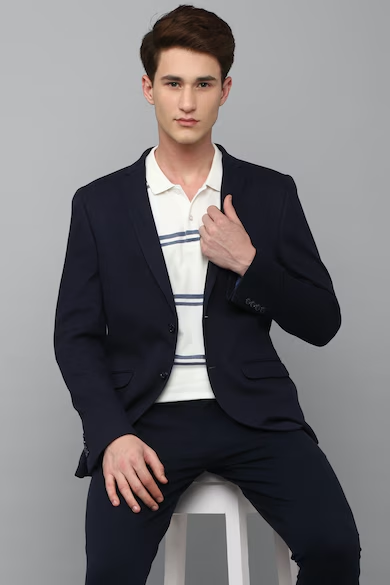
Unlike performance gear meant solely for athletics, purpose-driven everyday wear blends function with aesthetics. A stretch twill pant that works for meetings and errands, or an unstructured blazer that feels as comfortable as a sweater, reflects this balance.
Lifestyle Changes Driving the Movement
The rise of purpose-driven clothing closely mirrors shifts in how Americans live and work. Hybrid and remote work models have blurred traditional dress codes. According to the U.S. Bureau of Labor Statistics, remote work participation remains significantly higher than pre-2020 levels, changing how men think about daily attire.
Without rigid office requirements, men now prioritize comfort—but not at the expense of professionalism. This has fueled demand for clothing that looks refined on video calls while remaining wearable throughout the day.
Economic considerations also play a role. With inflation affecting discretionary spending, many consumers are choosing fewer, better-made items. A 2023 McKinsey apparel report noted that U.S. shoppers increasingly favor durability and value over volume, particularly among men aged 30–55.
Finally, awareness around environmental impact has grown. Men who may not follow fashion closely are still responding to broader conversations about waste, supply chains, and responsible consumption.
Function Is No Longer a Trade-Off for Style
One of the defining features of purpose-driven men’s clothing is the elimination of compromise. Where men once had to choose between looking polished and feeling comfortable, modern design now offers both.
Brands and designers have invested heavily in fabric innovation. Stretch-infused natural fibers, temperature-regulating materials, and wrinkle-resistant weaves allow garments to perform without appearing technical or sporty.
Fit has also evolved. Purpose-driven clothing often features:
- More forgiving silhouettes that accommodate movement
- Thoughtful tailoring that flatters without restricting
- Design details like hidden pockets, reinforced seams, and adjustable elements
These refinements make clothing easier to live in, not just look at.

Everyday Examples of Purpose-Driven Dressing
To understand how this plays out in real life, consider how American men are building their wardrobes today.
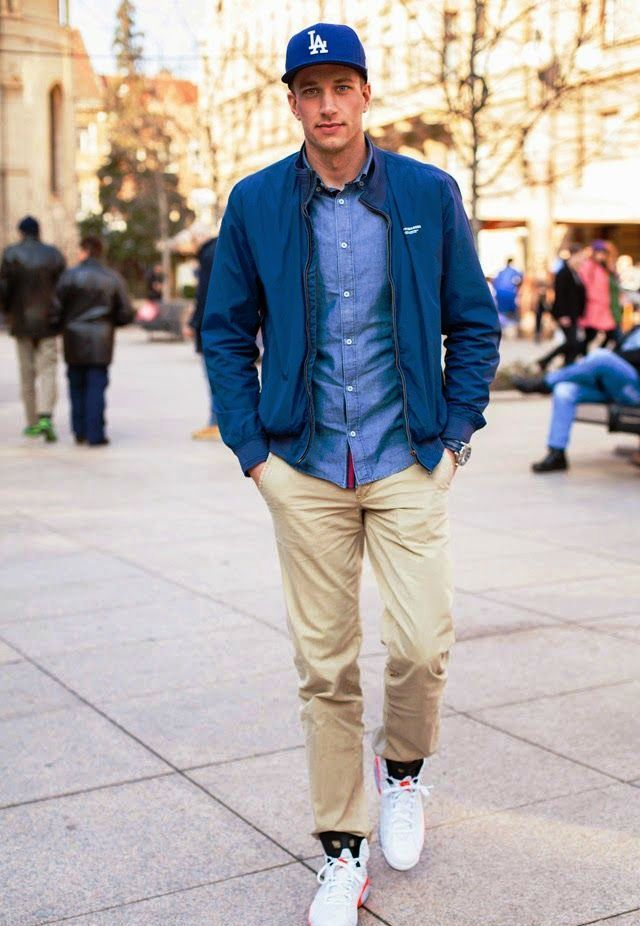
A commuter in Chicago might choose a water-resistant wool overcoat that handles snow and rain while still working with business-casual outfits. A tech professional in Austin may rely on breathable button-downs that look crisp but feel like activewear. A father juggling school drop-offs and client meetings may prefer versatile sneakers that pair with chinos as easily as with jeans.
These choices reflect a mindset shift. Clothing is evaluated based on how it supports daily routines rather than how closely it follows fashion cycles.
Sustainability as a Practical Consideration
While sustainability is often framed as an ethical issue, many men approach it pragmatically. Purpose-driven clothing tends to last longer, reducing the need for frequent replacement. This aligns sustainability with value, not sacrifice.
Research from the Environmental Protection Agency shows that Americans discard an average of over 80 pounds of textiles per person annually. In response, men are gravitating toward brands and garments designed for longevity—reinforced stitching, quality fabrics, and repair-friendly construction.
Importantly, this doesn’t require adopting a “green” identity. Many men simply appreciate buying less often and feeling confident that their clothing choices aren’t wasteful.
How Men Are Shopping Differently
Purpose-driven thinking has changed not only what men buy, but how they shop. Impulse purchases are giving way to more deliberate decisions.
Men increasingly research before buying, reading reviews and comparing materials. Fit guides, fabric explanations, and transparency around sourcing matter more than flashy campaigns.
In-store experiences have also evolved. Rather than browsing large assortments, shoppers often seek curated selections that solve specific needs: travel-friendly wardrobes, work-from-anywhere essentials, or seasonless basics.
This shift favors clarity over excess, mirroring broader trends in American consumer behavior.
Addressing Common Questions Men Are Asking
Many readers searching this topic are looking for straightforward guidance:
- Is purpose-driven clothing more expensive?
Often, yes upfront—but lower cost per wear makes it economical over time. - Does it limit personal style?
Not necessarily. Neutral foundations allow for individual expression through layering and accessories. - Is this trend age-specific?
While especially popular among men 30–55, younger and older consumers are adopting it for different reasons.
Answering these questions helps demystify the concept and positions purpose-driven clothing as accessible, not exclusive.
The Cultural Meaning Behind the Shift
Beyond practicality, purpose-driven clothing reflects changing definitions of masculinity and success. There’s less emphasis on appearance as status and more focus on authenticity, responsibility, and balance.
Men are increasingly comfortable prioritizing comfort, mental well-being, and personal values—without feeling that it undermines professionalism. Clothing that supports these priorities naturally resonates.
This doesn’t mean fashion has lost relevance. Instead, it’s become quieter, more thoughtful, and more aligned with real life.
Why This Movement Is Likely to Last
Unlike trend-driven aesthetics, purpose-driven clothing responds to long-term lifestyle changes. Remote work, environmental awareness, and demand for flexibility are not temporary shifts.
As American men continue to simplify their wardrobes and seek reliability over novelty, clothing designed with purpose will remain central. The appeal lies in its restraint: fewer pieces, fewer decisions, better outcomes.
When Clothing Works With You, Not Against You
The rise of purpose-driven clothing marks a return to common sense in men’s everyday wear. It acknowledges that clothing should support how people actually live—comfortably, responsibly, and confidently.
This movement isn’t about abandoning style. It’s about redefining it as something functional, enduring, and personal. For many American men, that redefinition feels less like a trend and more like a long-overdue correction.

Frequently Asked Questions
Frequently Asked Questions
1. What is purpose-driven clothing in men’s fashion?
Purpose-driven clothing refers to men’s apparel designed with clear, practical intent. These garments focus on functionality, comfort, durability, and versatility rather than short-term trends. In everyday wear, this often means clothing that works across multiple settings—such as work, travel, and casual life—while holding up well over time.
2. Why is purpose-driven clothing becoming popular in the U.S.?
The rise of hybrid work, changing lifestyles, and increased awareness around sustainability have shifted how American men approach clothing. Many now prefer fewer, better-made pieces that support daily routines and reduce unnecessary spending. Economic pressures and a desire for long-term value have also accelerated this shift.
3. How does purpose-driven clothing differ from minimalist fashion?
While the two can overlap, they are not the same. Minimalist fashion emphasizes simplicity and reduced aesthetics, whereas purpose-driven clothing prioritizes function and real-world use. A purpose-driven wardrobe may include a wider range of textures or styles as long as each item serves a clear role.
4. Is purpose-driven clothing appropriate for office and professional settings?
Yes. Many purpose-driven garments are specifically designed for professional environments. Stretch dress shirts, unstructured blazers, and tailored pants with performance fabrics allow men to maintain a polished appearance while benefiting from comfort and flexibility—especially in modern business-casual or hybrid workplaces.
5. Does purpose-driven clothing cost more than fast fashion?
Individual items may have a higher upfront price, but purpose-driven clothing often costs less over time. Higher-quality materials and construction mean garments last longer and require fewer replacements. When measured by cost per wear, many men find these pieces more economical than cheaper, trend-based alternatives.
6. How can men start building a purpose-driven wardrobe?
Men can begin by identifying their most common daily activities and choosing clothing that supports those needs. Starting with versatile essentials—such as well-fitting pants, neutral shirts, and adaptable outerwear—allows for gradual wardrobe upgrades without large upfront investment.
7. Are sustainable materials required for clothing to be purpose-driven?
Not necessarily, but sustainability often aligns with purpose-driven design. Durable materials, ethical production, and responsible sourcing contribute to longer garment lifespans. For many men, sustainability is less about labels and more about buying clothing that doesn’t need frequent replacement.
8. Which age groups benefit most from purpose-driven men’s clothing?
Purpose-driven clothing appeals most strongly to men between 30 and 55, but its benefits extend across age groups. Younger men appreciate versatility and value, while older men prioritize comfort, quality, and reliability. The approach adapts easily to different life stages.
9. Does adopting purpose-driven clothing limit personal style?
No. Purpose-driven clothing provides a strong foundation rather than restricting expression. Neutral, functional pieces make it easier to layer, accessorize, or introduce personal style elements. Many men find their style becomes clearer and more consistent as their wardrobe becomes more intentional.
When Everyday Clothing Starts Making Sense Again
Purpose-driven clothing represents a practical recalibration of men’s fashion—one rooted in real routines, responsibilities, and values. As American men continue to demand more from fewer garments, everyday wear is becoming quieter, smarter, and more intentional. The result isn’t a loss of style, but a deeper alignment between what men wear and how they actually live.
Key Ideas to Remember
- Purpose-driven clothing prioritizes function, longevity, and adaptability
- Lifestyle shifts like remote work have reshaped men’s wardrobes
- Buying fewer, better garments often delivers better long-term value
- Practical design and responsible production increasingly matter