
Summary
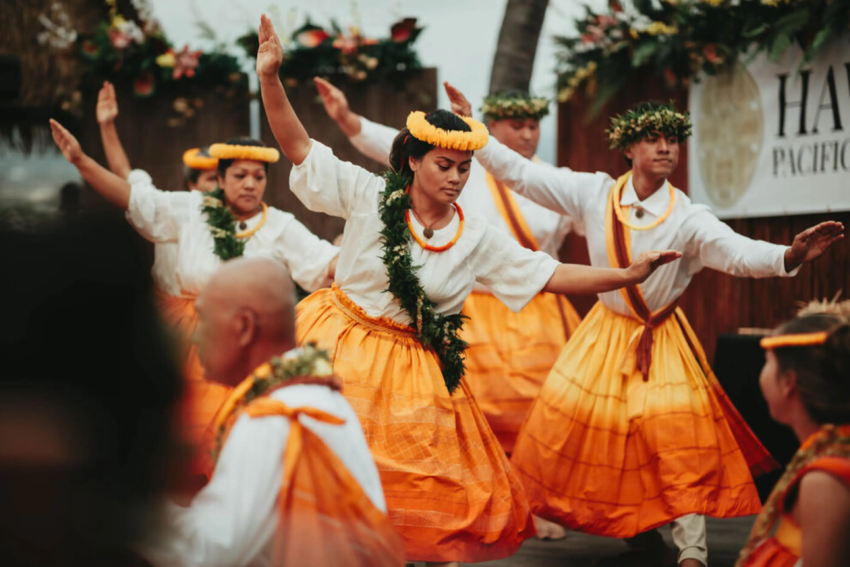
Experience-driven living reflects a shift from sightseeing to meaningful cultural participation. Americans are increasingly seeking connection through local traditions, food, arts, and community life—both at home and abroad. This article explores why culture-centered experiences matter, how they differ from tourism, and how people can integrate cultural engagement into everyday life.
Introduction: Why Experience Matters More Than Ever
For much of the 20th century, lifestyle aspiration in the U.S. was defined by ownership—homes, cars, and consumer goods symbolized success and stability. Today, that definition is evolving. Across generations, Americans are increasingly prioritizing experiences that offer connection, identity, and meaning. Cultural engagement—once associated mainly with travel—is now shaping how people live, work, spend, and socialize.
Experience-driven living doesn’t reject travel, comfort, or modern life. Instead, it reframes them. The focus shifts from checking off destinations to understanding how people live, create, and express meaning within their communities. Culture becomes something to participate in, not just observe.
This change is visible in how Americans choose neighborhoods, spend weekends, plan vacations, and even define personal fulfillment. Understanding this shift requires looking beyond tourism and examining how cultural experiences are becoming part of everyday lifestyle choices.
What Is Experience-Driven Living?
Experience-driven living prioritizes participation, learning, and connection over passive consumption. Rather than focusing on what you own or where you’ve been, it emphasizes what you’ve engaged with and what you’ve learned through lived interaction.
Cultural experiences within this framework often include:
- Participating in local traditions rather than observing them
- Learning directly from artists, cooks, or craftspeople
- Spending time in communities outside commercial tourism circuits
- Integrating cultural practices into daily routines
Unlike tourism, which is often destination-focused, experience-driven living is process-focused. The value comes from depth, not volume.

Why Americans Are Moving Beyond Traditional Tourism
Several long-term trends are fueling this shift in the U.S.
Changing Values Around Time and Meaning
According to data from the U.S. Bureau of Labor Statistics, Americans now spend more on experiences than on physical goods compared to two decades ago. Experiences are increasingly viewed as better investments in well-being, memory, and personal growth.
Post-Pandemic Reassessment
The pandemic forced many Americans to slow down, stay local, and reevaluate priorities. As travel resumed, interest leaned toward meaningful, intentional experiences rather than crowded attractions.
Cultural Access at Home
You no longer need a passport to access cultural depth. Food communities, immigrant neighborhoods, music scenes, and arts collectives across U.S. cities provide rich cultural engagement close to home.
Digital Fatigue
As work and entertainment become more screen-based, people crave tangible, real-world interaction—shared meals, live performances, and hands-on learning.
Culture Beyond Travel: How It Shows Up in Daily Life
Experience-driven living doesn’t require frequent travel. Many Americans are integrating culture into everyday routines.
In cities like New Orleans, locals and newcomers alike participate in neighborhood music nights, second-line parades, and food traditions that aren’t designed for tourists but for community continuity. In Santa Fe, Indigenous art markets and workshops provide opportunities for respectful cultural learning rooted in place.
At home, this might look like:
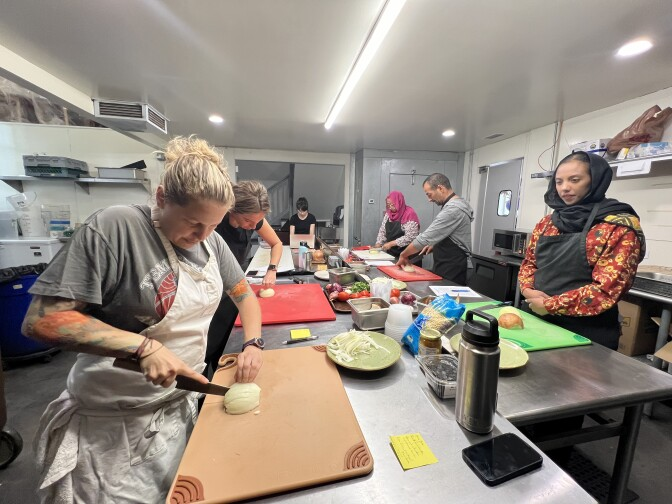
- Joining a cultural cooking class led by immigrant chefs
- Attending community theater or local history talks
- Supporting regional crafts instead of mass-produced décor
- Participating in seasonal or heritage-based festivals
These experiences foster belonging and understanding while supporting local economies.
How Experience-Driven Living Differs From Experiential Tourism
The terms are often confused, but the distinction matters.
Experiential tourism still centers on travel and often packages culture into marketable activities.
Experience-driven living embeds cultural engagement into lifestyle choices, whether traveling or not.
Key differences include:
- Intent: Learning and connection vs. entertainment
- Pace: Slow engagement vs. scheduled activities
- Role: Participant vs. observer
- Outcome: Long-term perspective change vs. short-term enjoyment
Experience-driven living emphasizes respect, continuity, and reciprocity.
The Role of Food, Art, and Music in Cultural Connection
Food, art, and music are often the most accessible entry points into culture.
Food traditions, for example, carry history, migration stories, and values. Cooking alongside someone from a different background can teach more about culture than reading a guidebook.
Similarly, local art scenes reflect political, social, and historical contexts. Community murals, jazz jam sessions, or Indigenous storytelling events provide insight into lived experiences that formal institutions may not capture.
These forms of engagement are powerful because they are participatory and human-centered.
Cultural Experiences and Personal Identity
For many Americans, cultural engagement has become part of identity formation—especially among younger generations.
Research from the Pew Research Center shows Millennials and Gen Z place higher value on experiences tied to purpose and authenticity. Cultural participation helps people:
- Understand their own heritage
- Build empathy across communities
- Develop a sense of place and belonging
- Move beyond surface-level diversity toward understanding
Experience-driven living often leads to more intentional consumption, travel, and social relationships.
Economic and Community Impact
Experience-driven living doesn’t just benefit individuals. It has measurable economic and social effects.
When people invest in local cultural experiences, money stays within communities. According to the National Endowment for the Arts, cultural industries contribute hundreds of billions of dollars annually to the U.S. economy while supporting millions of jobs.
More importantly, these experiences sustain traditions that might otherwise disappear. Cultural continuity relies on participation, not preservation alone.
How to Practice Experience-Driven Living Responsibly
Cultural engagement requires awareness and respect. Experience-driven living is not about appropriating traditions or treating culture as a commodity.
Guidelines for responsible participation include:
- Learn the context before participating
- Support creators and communities directly
- Avoid reducing traditions to aesthetics
- Listen more than you speak
- Respect boundaries and sacred practices
Authentic experiences prioritize mutual respect and long-term relationships.
Frequently Asked Questions
What does experience-driven living mean in simple terms?
It means prioritizing meaningful activities and cultural engagement over material ownership or passive entertainment.
Is experience-driven living only about travel?
No. It often happens locally through food, arts, history, and community participation.
How is this different from experiential tourism?
Experience-driven living focuses on lifestyle integration, not packaged activities.
Why is this trend growing in the U.S.?
Shifts in values, digital fatigue, and a desire for connection are major factors.
Can experience-driven living be affordable?
Yes. Many cultural experiences are low-cost or free, especially at the community level.
How does this impact local economies?
It supports small businesses, artists, and cultural workers directly.
Is cultural participation appropriate for outsiders?
Yes, when approached with respect, learning, and consent.
How can families practice experience-driven living?
Through local festivals, museums, cooking traditions, and shared cultural learning.
Does this lifestyle improve well-being?
Studies link meaningful experiences with greater life satisfaction and emotional health.
A Lifestyle Built on Understanding, Not Itineraries
Experience-driven living reflects a broader cultural maturity. It recognizes that culture isn’t something to consume quickly or display online—it’s something to engage with thoughtfully. By moving beyond tourism and into participation, Americans are redefining what a fulfilling lifestyle looks like, one shared experience at a time.
Key Perspective Shifts to Remember
- Meaning comes from participation, not accumulation
- Culture is lived, not staged
- Local experiences can be as transformative as distant ones
- Respect and curiosity are essential