
Summary
American travel is evolving in subtle but meaningful ways. Travelers are prioritizing flexibility, fewer but longer trips, domestic destinations, personal well-being, and authentic experiences over status-driven travel. This article explores the quiet behavioral shifts reshaping how Americans plan, book, and experience travel—and what those changes mean for future trips.
Introduction: Travel Is Changing—Just Not Loudly
American travel habits haven’t transformed overnight. There was no single announcement or sweeping trend that declared a new era. Instead, the changes have been gradual, practical, and deeply personal. Travelers are making quieter decisions—about where they go, how long they stay, and what they want to feel when they return home.
These shifts reflect broader changes in work, finances, health priorities, and values. They also explain why traditional travel metrics—number of trips, passport stamps, luxury upgrades—no longer tell the full story of how Americans experience travel today.
Fewer Trips, More Intention
One of the clearest changes is how Americans think about trip frequency. Instead of squeezing in multiple short vacations each year, many travelers are choosing fewer trips that feel more meaningful.
This shift is partly financial. According to data from the U.S. Bureau of Labor Statistics, airfare and lodging costs have increased faster than overall inflation in recent years. But the decision is also emotional. Travelers report wanting trips that feel restorative rather than rushed.
Longer stays allow people to settle into a destination rather than “consume” it. A weeklong visit to a single region now often replaces the whirlwind multi-city itinerary.
Travelers increasingly ask:
- Will this trip help me rest?
- Will I return feeling better than when I left?
- Is this worth the time away from home?
Those questions are reshaping travel planning from the first Google search.
Domestic Travel Has Gained New Respect
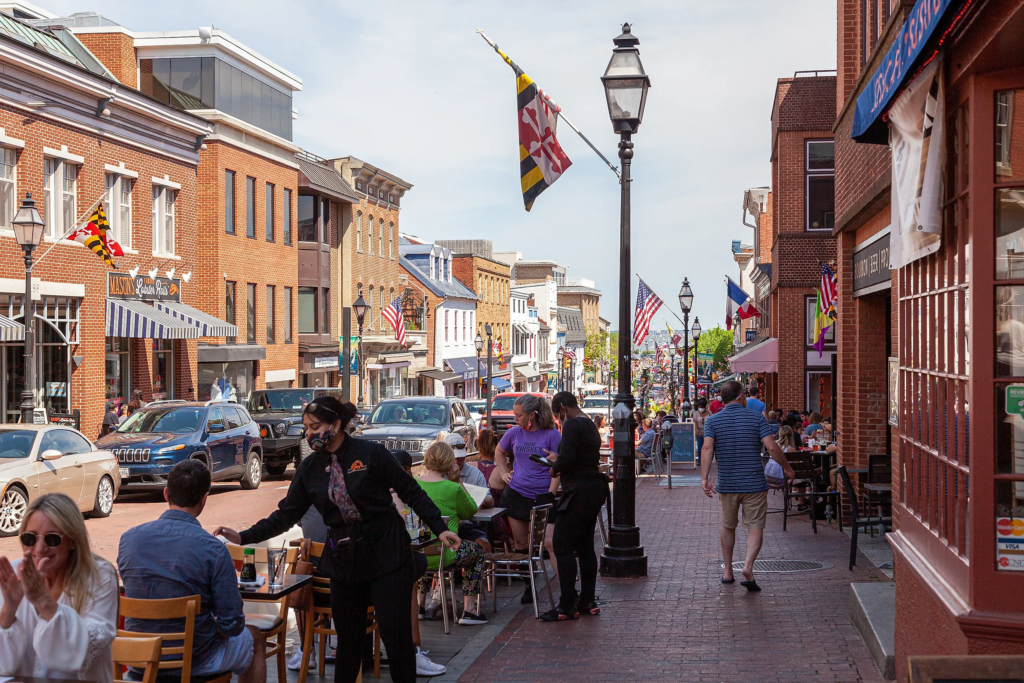
International travel remains aspirational, but domestic travel has shed its “second-best” reputation. National parks, small towns, and lesser-known regions across the U.S. are seeing renewed interest—not because they are cheaper, but because they feel accessible and grounded.
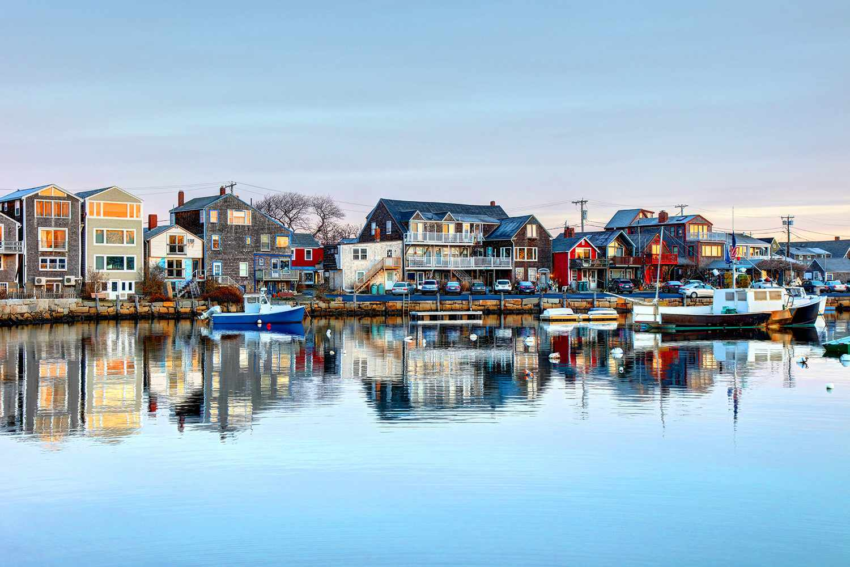
Many Americans discovered during recent years that meaningful travel doesn’t require crossing borders. A road trip through Utah, a coastal town in Maine, or a rural area of the Pacific Northwest can feel just as transformative as an overseas journey.
Domestic travel also offers:
- Easier logistics and fewer disruptions
- More control over transportation
- Greater comfort for multigenerational travel
- Flexibility for last-minute changes
For many travelers, staying closer to home feels like a smart trade-off rather than a compromise.
Flexibility Has Become Non-Negotiable
Before 2020, flexibility was a perk. Now it’s an expectation.
Americans are far more cautious about locking themselves into rigid itineraries. Refundable bookings, travel insurance, and open-ended plans are no longer viewed as overly cautious—they’re seen as responsible.
Airlines, hotels, and rental platforms have responded, but travelers are also adjusting their behavior:
- Booking fewer prepaid activities
- Leaving buffer days between travel legs
- Choosing destinations with multiple backup options
This mindset reflects lived experience. Travelers have learned that delays, weather changes, and personal obligations are part of modern travel—and flexibility reduces stress more than any upgrade ever could.
Work Has Changed When—and Why—People Travel
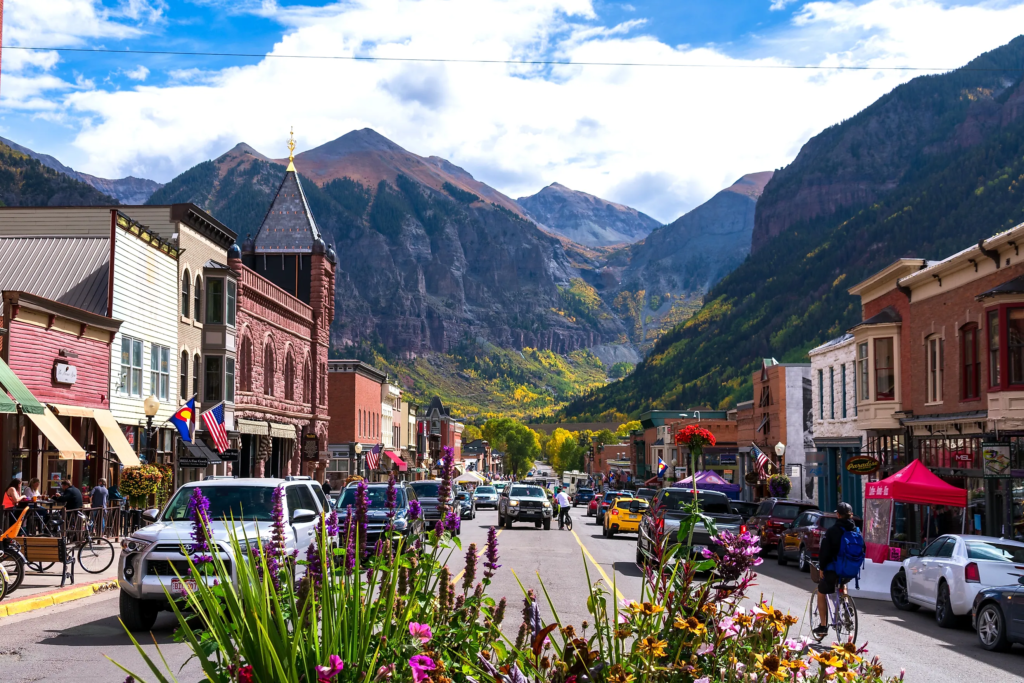
Remote and hybrid work have quietly reshaped American travel patterns. While not everyone works remotely, many now have partial flexibility that didn’t exist before.
This has led to:
- Travel during off-peak seasons
- Extended stays that blend work and leisure
- Fewer trips clustered around holidays
- Longer weekday stays instead of weekend-only travel
The concept of “work from anywhere” isn’t universal, but “work from somewhere different for a while” has become realistic for a growing segment of professionals.
This shift also influences destination choice. Reliable Wi-Fi, quiet accommodations, and comfortable workspaces now matter as much as views or proximity to attractions.
Experiences Are Replacing Checklists
Americans are traveling with fewer must-see lists and more curiosity about how places feel.
Rather than chasing landmarks, travelers are increasingly drawn to:
- Local food traditions
- Everyday routines of residents
- Nature-based experiences
- Cultural events without heavy crowds
This doesn’t mean travelers are avoiding famous sites entirely. It means those sites are often contextualized within a slower, more grounded experience.
For example, a traveler might spend one morning at a popular attraction, then devote the rest of the trip to walking neighborhoods, visiting local markets, or spending time outdoors.
The goal is less about proof and more about presence.
Health and Well-Being Are Driving Decisions
Travel used to be framed as an escape from routine. Now it’s often viewed as a way to support long-term well-being.
Americans are paying closer attention to:
- Sleep quality while traveling
- Physical comfort during transit
- Access to nature and quiet spaces
- Mental recovery, not just entertainment
This has led to increased interest in:
- Wellness-focused accommodations
- Destinations with outdoor access
- Trips centered on rest rather than activity
- Smaller group travel or solo trips
These choices aren’t about indulgence. They’re about sustainability—making sure travel enhances life rather than exhausting it.
Planning Has Become More Personal—and More Digital
The way Americans research travel has changed just as much as where they go.
Search behavior increasingly reflects personal constraints and values:
- “Best places to travel with elderly parents”
- “Quiet beach towns in the U.S.”
- “Low-stress travel destinations”
- “Best national parks for beginners”
Travelers rely less on generic “Top 10” lists and more on first-person accounts, long-form guides, and trusted creators who share real limitations alongside highlights.
This personalization extends to booking tools as well. Travelers compare cancellation policies, read recent reviews closely, and prioritize transparency over polish.
Spending Is More Deliberate, Not Necessarily Lower
Despite rising costs, Americans are still willing to spend on travel—but they’re choosier.
Instead of upgrading everything, travelers often:
- Spend more on lodging, less on activities
- Choose direct flights over cheaper connections
- Invest in comfort for longer stays
- Skip souvenirs in favor of experiences
The mindset has shifted from “getting the most for the money” to “getting what actually matters.”
That distinction explains why some travel segments are thriving even as others struggle.
What These Shifts Mean Going Forward
These quiet changes suggest that American travel is becoming more values-driven, more realistic, and more human.
Travel is no longer about keeping up or maximizing output. It’s about alignment—between time, money, energy, and personal priorities.
For destinations, brands, and publishers, this means storytelling must evolve. Readers want honesty, nuance, and guidance—not hype.
Frequently Asked Questions
Why are Americans taking fewer trips than before?
Rising costs, limited time, and a desire for deeper experiences are leading many travelers to choose fewer, more meaningful trips.
Is domestic travel replacing international travel?
Not entirely. Domestic travel has gained legitimacy, but international trips remain important—just more intentional.
How has remote work changed travel patterns?
It allows for longer stays, off-season travel, and blended work-leisure trips for those with flexible schedules.
Are Americans spending less on travel overall?
Spending is more selective rather than lower, with money directed toward comfort and quality.
Why is flexibility so important now?
Recent disruptions taught travelers that adaptable plans reduce stress and financial risk.
What kinds of destinations are gaining popularity?
Nature-based areas, smaller towns, and regions offering calm, authenticity, and accessibility.
Are group tours becoming less popular?
Large group tours are declining, while small-group and self-guided travel is increasing.
How do travelers research trips differently today?
They use more personalized search queries and rely on real experiences over generic lists.
Is wellness travel only for luxury travelers?
No. Wellness priorities now influence mainstream travel choices at all budget levels.
A Different Measure of a Good Trip
The most telling change in American travel isn’t where people are going—it’s how they define success. A good trip no longer needs to impress anyone else. It needs to fit the traveler’s life, energy, and expectations.
That quiet recalibration may be the most lasting shift of all.
What This Shift Looks Like in Practice
- Fewer trips with more breathing room
- Comfort prioritized over constant activity
- Flexibility built into every plan
- Domestic destinations valued for depth, not convenience
- Travel designed to support real life, not escape it