
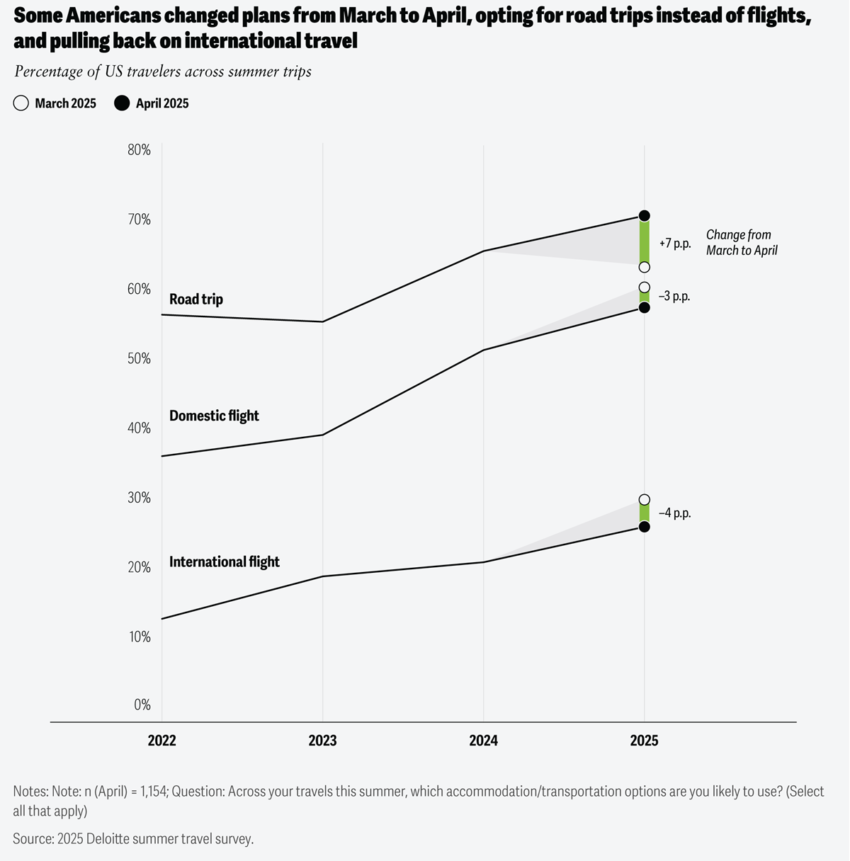
Americans are no longer planning vacations around price alone. In 2026, decisions are shaped by flexibility, reliability, remote work compatibility, climate awareness, and overall experience value. Fueled by economic pressure, digital tools, and lifestyle changes, this quiet shift is redefining how trips are researched, booked, and experienced—often in subtle but meaningful ways.
A Subtle but Significant Evolution in Travel Planning
Vacation planning used to follow a familiar formula: pick a week, find the cheapest flight, book a hotel, and fill in the rest later. Today, that sequence has changed.
According to research from the U.S. Travel Association, domestic leisure travel remains strong, but consumer behavior has grown more strategic. Travelers are planning further in advance, comparing cancellation policies, reviewing airport performance data, and evaluating total trip cost rather than base fare alone.
This change is not loud or dramatic. It’s behavioral. It shows up in the questions Americans are typing into search engines:
- “Is it better to book flights or hotels first?”
- “How far in advance should I plan a vacation?”
- “What happens if my flight gets canceled?”
- “Is shoulder season worth it?”
The answers increasingly guide decisions more than promotional deals.
From Spontaneous to Structured: Planning Windows Are Expanding
One clear shift is the timeline. More Americans are planning vacations earlier than they did five years ago. Data from travel industry reports shows booking windows for domestic trips have lengthened, especially for peak seasons.
Why?
- Greater demand for flexible cancellation options
- Higher prices during peak periods
- Limited inventory for popular accommodations
- Increased interest in experiential tours requiring reservations
Families traveling during school breaks are particularly strategic. Parents are securing refundable hotel rooms months in advance, then monitoring airfare trends.
Common question: “How far in advance should I book a U.S. vacation?”
For peak summer and holiday travel, 3–6 months in advance often offers better selection and manageable pricing. For shoulder seasons, 1–3 months may be sufficient.
Planning earlier doesn’t necessarily mean spending more—it means preserving options.
Reliability Matters More Than Rock-Bottom Pricing
A decade ago, a deeply discounted airfare often determined destination. Today, reliability competes with price.
Travelers are examining:
- Nonstop versus connecting flights
- Airport congestion levels
- Historical on-time performance
- Early morning departures to avoid cascading delays
The Bureau of Transportation Statistics continues to publish airline performance data, and savvy travelers consult it.
A family flying into Orlando for a four-day theme park trip may prioritize nonstop routes to avoid losing a vacation day to delays.
Similarly, travelers heading to Seattle often choose morning departures to reduce weather-related disruption risk later in the day.
The quiet shift is this: predictability has monetary value.
Total Trip Cost Is Replacing Base Price Obsession
Another noticeable change is how Americans calculate vacation budgets.
Instead of focusing solely on airfare, planners now consider:
- Baggage fees
- Resort fees
- Parking and ground transportation
- Food costs in high-demand destinations
- Attraction ticket pricing
A destination may advertise low airfare but carry high daily expenses. For example, lodging in Miami during peak season often includes resort fees and premium parking charges. Travelers are accounting for these factors upfront.
Search trends reflect this behavior. Queries like “real cost of visiting [destination]” and “how much spending money for 5 days in [city]” are increasingly common.
Smart planners create a simple spreadsheet before booking:
- Flights
- Lodging
- Estimated meals per day
- Transportation
- Activities
- Contingency buffer
This reduces financial surprises and improves decision-making.
Flexibility Is a Core Decision Factor
Post-pandemic travel policies reshaped expectations. Many airlines eliminated change fees on standard economy fares, and hotels expanded flexible cancellation windows.
Now, travelers expect flexibility.
Before booking, Americans commonly ask:
- “Is this fare refundable?”
- “What’s the cancellation deadline?”
- “Will I get cash back or travel credit?”
This is especially important for destinations vulnerable to extreme weather, such as New Orleans during hurricane season.
Travel insurance purchases have also increased for higher-cost trips and cruises. According to Deloitte’s travel outlook surveys, flexibility and refundability consistently rank among top consumer priorities.
Experience Depth Over Destination Quantity
The “see everything” approach is gradually fading. Instead of cramming five cities into one week, travelers are staying longer in one place.
This trend—often referred to as slow travel—prioritizes:
- Walkable neighborhoods
- Local food experiences
- Cultural immersion
- Downtime
For example, a four-day trip to Charleston might focus on historic tours, waterfront dining, and nearby beaches instead of adding distant day trips.
Travelers increasingly ask: “How many days do I really need in [city]?”
The answer often emphasizes quality over quantity. Two or three well-paced days can feel more restorative than a rushed itinerary.
Remote Work Is Reshaping Trip Structure
Hybrid work has introduced new planning patterns. Americans are extending vacations by adding remote workdays at the beginning or end.
Destinations like Denver and Austin remain popular partly because they offer strong Wi-Fi infrastructure, coworking spaces, and lifestyle appeal.
Search queries reflect this shift:
- “Best U.S. cities for remote work vacation”
- “How to combine work and travel”
Travelers now evaluate accommodations for:
- Workspace comfort
- Internet speed
- Quiet environment
- Access to cafes or coworking hubs
This approach maximizes both productivity and leisure.
Climate and Seasonal Awareness Are Influencing Decisions
Extreme heat, wildfire seasons, and hurricane risks have increased climate awareness in planning.
Travelers are researching:
- Shoulder seasons
- Average temperatures by month
- Air quality trends
- Rainfall patterns
For instance, summer visits to Phoenix require different preparation than spring trips. Likewise, fall travel to Boston often attracts visitors seeking moderate temperatures and foliage.
The result is more thoughtful timing, not just opportunistic scheduling.
Technology Is Streamlining—But Not Replacing—Research
Digital tools now play a central role in planning.
Travelers use:
- Fare tracking apps
- Hotel comparison platforms
- Neighborhood reviews
- Google Street View
- Social media for visual previews
However, reliance on digital tools has not eliminated skepticism. Americans increasingly verify reviews across multiple platforms before booking.
Common search question: “How do I know if hotel reviews are reliable?”
Best practices include:
- Reading both positive and negative reviews
- Checking dates for recent feedback
- Reviewing traveler-uploaded photos
- Comparing multiple review platforms
The shift is toward informed digital research rather than impulse booking.
Airport and Transportation Strategy
Americans are also reconsidering departure airports.
In major metro areas, choosing a secondary airport can reduce:
- Parking costs
- Security wait times
- Flight congestion
For example, travelers near Chicago may compare options between Chicago’s primary airports and smaller regional alternatives.
Ground transportation is another consideration. Access to public transit, rideshare pricing, and walkability influence lodging decisions.
Wellness and Energy Management
Vacation burnout is real. Travelers now build in rest intentionally.
Planning strategies include:
- Scheduling one free half-day
- Booking fewer timed reservations
- Avoiding red-eye flights when possible
- Choosing accommodations near primary attractions
Destinations such as Sedona continue to attract travelers seeking slower pacing and outdoor recovery time.
The quiet shift is this: vacations are meant to restore energy, not deplete it.
Frequently Asked Questions
1. Are Americans planning vacations earlier than before?
Yes. Booking windows have expanded, especially for peak travel periods.
2. Is price still the main factor in choosing a destination?
Not exclusively. Reliability, flexibility, and total cost now play equal roles.
3. How important are cancellation policies?
Very. Refundability and flexibility significantly influence booking decisions.
4. Is slow travel becoming more popular?
Yes. Travelers increasingly prioritize depth over quantity.
5. Are secondary airports worth considering?
Often, yes. They can offer smoother experiences and lower costs.
6. How does remote work affect vacation planning?
Many travelers extend trips to include remote workdays, requiring strong Wi-Fi and workspace accommodations.
7. Is travel insurance necessary?
It depends on destination risk and trip cost, but more travelers are considering it.
8. How do I calculate a realistic vacation budget?
Include airfare, lodging, daily meals, activities, transportation, and contingency funds.
9. Are shoulder seasons a good option?
Yes. They often provide better pricing and fewer crowds.
10. What is the biggest change in vacation planning today?
Holistic decision-making—considering reliability, comfort, flexibility, and personal goals.
Where This Planning Shift Is Leading
The transformation in how Americans plan vacations is subtle but lasting. It reflects broader societal changes: remote work normalization, financial caution, climate awareness, and digital literacy.
Rather than chasing trends, travelers are asking better questions. They’re considering risk, comfort, total cost, and personal alignment. The result is not necessarily more expensive travel—but more intentional travel.
The modern American vacation is less reactive and more deliberate. And that may be the most significant shift of all.
Snapshot of the Modern Vacation Mindset
Align trips with personal interests
Book earlier to preserve options
Value nonstop flights for reliability
Compare total trip costs, not just airfare
Prioritize flexible cancellation policies
Choose depth over rushed itineraries
Factor climate and season into timing
Evaluate Wi-Fi and workspace needs
Research reviews across platforms
Build in rest days