
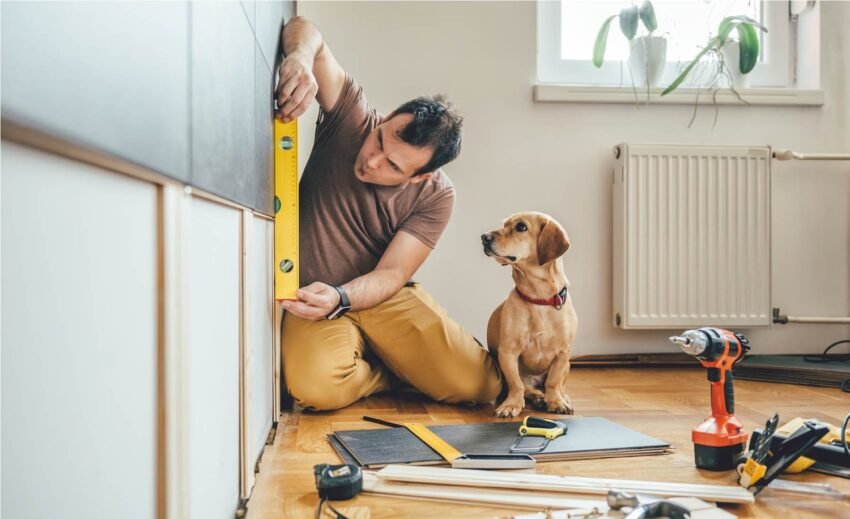
Not all DIY projects improve resale value. The upgrades that consistently deliver returns are practical, widely appealing, and aligned with local market expectations. This guide explains which DIY improvements add measurable value, which ones rarely do, and how to prioritize projects that enhance function, efficiency, and buyer appeal—without overbuilding for your neighborhood.
Home improvement spending in the United States continues to exceed $400 billion annually, according to the Home Improvement Research Institute. Yet one of the most common homeowner questions remains: Which DIY upgrades actually add value to my home?
The answer isn’t about dramatic transformations. It’s about strategic, well-executed improvements that enhance functionality, energy efficiency, and broad market appeal. Buyers prioritize condition, layout, and maintenance over trend-driven personalization. The goal of value-focused DIY is simple: make your home more livable today and more marketable tomorrow.
Below is a practical, evidence-based framework for choosing upgrades that consistently deliver.
1. Kitchen Updates That Improve Function, Not Just Style
The kitchen remains one of the most value-sensitive rooms in American homes. According to the National Association of Realtors Remodeling Impact Report, kitchen upgrades often recover a significant percentage of their cost at resale, especially when improvements focus on functionality and condition rather than luxury finishes.
DIY projects that tend to add value include:
- Repainting cabinets in neutral tones
- Replacing outdated hardware
- Installing modern, energy-efficient lighting
- Updating faucets to contemporary, durable models
- Replacing worn laminate countertops with mid-range stone or solid-surface options
For example, repainting cabinets instead of replacing them can cost a fraction of a full remodel while significantly improving visual appeal. Buyers respond positively to kitchens that look clean, maintained, and move-in ready.
What typically does not add proportional value? High-end specialty appliances in mid-range neighborhoods. Over-improving beyond local standards often limits return.
When homeowners ask, Is a DIY kitchen remodel worth it? the answer depends on scope. Cosmetic refreshes often outperform full layout changes in terms of return on investment.
2. Bathroom Improvements That Signal Maintenance and Care
Bathrooms are another area where condition matters more than luxury. The National Association of Home Builders consistently reports that buyers prioritize updated bathrooms during purchase decisions.
High-impact DIY upgrades include:
- Replacing outdated faucets and showerheads
- Regrouting tile
- Installing new mirrors and lighting
- Updating vanities without relocating plumbing
- Improving ventilation with modern exhaust fans
A common real-world example: replacing an aging vanity, refreshing caulk lines, and installing brighter LED lighting can transform a dated bathroom for under a few thousand dollars—while signaling proper upkeep to buyers.
Major layout changes involving plumbing relocation often require professional work and permits. For DIY purposes, focusing on visible condition and cleanliness provides stronger value returns.
3. Energy Efficiency Improvements Buyers Actively Notice
Energy efficiency is no longer optional. Rising utility costs and environmental awareness have shifted buyer expectations.
According to the U.S. Department of Energy, air sealing and insulation improvements can significantly reduce heating and cooling costs—sometimes by 10–20%.
DIY-friendly value-adding upgrades include:
- Adding attic insulation
- Sealing gaps around windows and doors
- Installing programmable or smart thermostats
- Replacing outdated weatherstripping
- Switching to LED lighting throughout the home
Buyers increasingly search for terms like energy-efficient home upgrades and how to lower utility bills before selling. Energy-conscious improvements improve both daily comfort and resale positioning.
Unlike cosmetic trends, efficiency upgrades rarely go out of style.
4. Curb Appeal That Creates a Strong First Impression
First impressions heavily influence perceived value. Appraisers and buyers often form early judgments before entering the home.
Simple, high-ROI DIY exterior upgrades include:
- Repainting the front door
- Replacing house numbers and exterior lighting
- Power washing siding and walkways
- Updating landscaping with low-maintenance plantings
- Repairing visible trim damage
According to the Joint Center for Housing Studies of Harvard University, exterior maintenance and curb appeal improvements consistently rank among projects that enhance buyer confidence.
For example, a freshly painted door in a classic neutral color paired with updated lighting fixtures can modernize a facade without major expense.
Curb appeal doesn’t require dramatic landscaping—it requires visible upkeep.
5. Flooring Updates That Modernize Without Overbuilding
Flooring is one of the most visually impactful upgrades in a home. Worn carpet or damaged vinyl immediately lowers perceived value.
DIY upgrades that typically perform well:
- Installing mid-range luxury vinyl plank (LVP)
- Refinishing hardwood floors
- Replacing outdated carpet in high-traffic areas
- Repairing squeaky or uneven subfloor sections
What buyers prefer varies by region, but consistency is key. Mixing too many flooring types can reduce cohesion.
Homeowners often ask, Does new flooring increase home value? Yes—when it improves durability, cleanliness, and visual continuity. No—when it involves overly personalized materials or premium finishes misaligned with neighborhood standards.
6. Storage and Organization Improvements
One overlooked value driver is storage. Functional storage improves daily living and resale appeal.
DIY options include:
- Installing closet shelving systems
- Adding garage storage racks
- Creating pantry organization
- Building simple mudroom benches with hooks
- Adding built-in bookcases in living areas
Buyers frequently assess storage during showings. Well-organized spaces feel larger and more functional.
Unlike decorative upgrades, storage improvements rarely alienate buyers.
7. Fresh Interior Paint: The Most Consistent Value Upgrade
Few DIY projects offer as consistent a return as fresh interior paint.
Neutral tones create broader buyer appeal. According to real estate professionals surveyed by the National Association of Realtors, freshly painted interiors are among the simplest ways to enhance resale readiness.
Effective paint strategies include:
- Soft grays
- Warm whites
- Light greige tones
- Neutral beige variations
Avoid bold accent walls or highly personalized color schemes if resale is a priority.
Painting is also one of the most accessible DIY projects with minimal tool investment.
8. Minor Kitchen and Bathroom Hardware Updates
Small details influence perception. Replacing dated brass fixtures with modern brushed nickel or matte black hardware can modernize spaces quickly.
These include:
- Cabinet handles
- Door knobs
- Light switch plates
- Faucet fixtures
- Towel bars
While individually modest, collectively these upgrades create a cohesive aesthetic.
Homeowners often underestimate the cumulative impact of hardware consistency.
9. When DIY Does Not Add Value
Equally important is understanding what typically does not increase resale value:
- Highly customized built-ins tailored to niche hobbies
- Luxury upgrades in entry-level neighborhoods
- Removing bedrooms for oversized closets
- Converting garages into non-permitted living spaces
- Overly bold design choices
The National Association of Home Builders notes that alignment with neighborhood standards plays a critical role in value retention.
Before investing, research comparable homes in your area.
Frequently Asked Questions
1. Which DIY projects add the most resale value?
Kitchen refreshes, bathroom updates, flooring improvements, and fresh paint consistently perform well.
2. Is finishing a basement a good DIY investment?
It can add value if permitted and aligned with neighborhood norms, but it requires careful code compliance.
3. Do smart home features increase home value?
Basic features like smart thermostats often help; highly complex systems may not yield proportional returns.
4. Should I replace or refinish cabinets?
Refinishing or repainting is often more cost-effective with strong resale impact.
5. How much should I spend on upgrades before selling?
Avoid exceeding neighborhood comparables. Focus on visible condition improvements.
6. Does landscaping increase appraisal value?
Well-maintained landscaping improves buyer perception and marketability.
7. Are solar panels a DIY value project?
Solar installation is typically professional and region-dependent; evaluate local incentives carefully.
8. Is DIY flooring installation worth it?
Yes, when done correctly with durable materials aligned to buyer expectations.
9. Do buyers care about insulation upgrades?
Increasingly, yes—especially when energy costs are high.
10. What’s the safest value strategy?
Prioritize maintenance, efficiency, and broad appeal over trend-driven upgrades.
Value Is Built Through Practical Decisions
The most valuable DIY upgrades are rarely dramatic. They reflect thoughtful prioritization, alignment with local market expectations, and consistent maintenance.
Buyers notice homes that feel cared for. They notice efficient systems, updated surfaces, and clean finishes. They respond to functionality and condition over luxury and trend.
Approach upgrades with a clear question: Will this improve daily living and appeal to most buyers in my area? If the answer is yes, it’s likely a worthwhile investment.
Smart Upgrade Priorities at a Glance
- Focus on kitchens and bathrooms first
- Improve energy efficiency where possible
- Refresh paint with neutral tones
- Upgrade flooring for durability and cohesion
- Enhance curb appeal affordably
- Add practical storage solutions
- Avoid over-improving beyond neighborhood standards
- Emphasize maintenance and visible care