
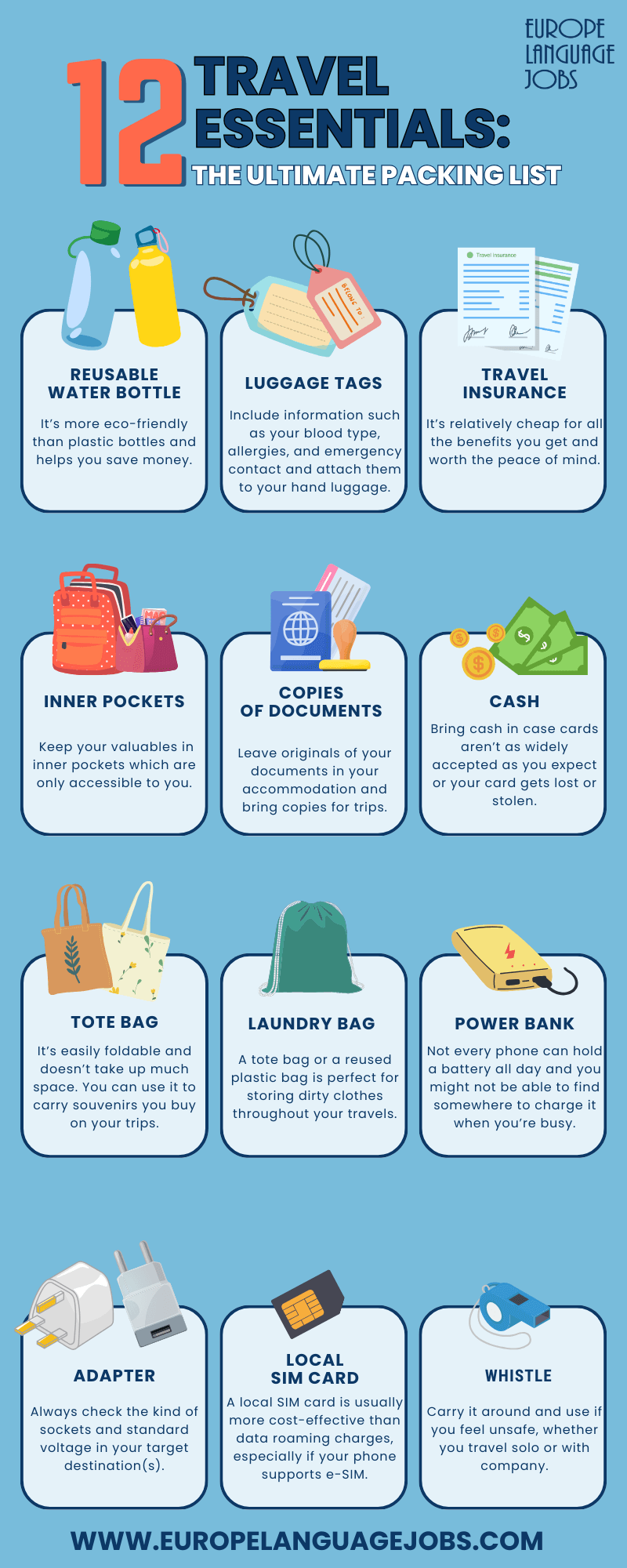
Packing well is less about bringing more and more about bringing smarter. Experienced travelers prioritize versatility, organization, health preparedness, and digital readiness over bulky “just in case” items. This guide outlines what seasoned travelers consistently pack, why those items matter, and how thoughtful preparation can reduce stress, save money, and improve comfort across domestic and international trips.
Why Modern Packing Looks Different Than It Did a Decade Ago
The way Americans travel has changed. Airlines have tightened carry-on policies. Remote work has blurred the line between business and leisure. Health considerations are more visible. And according to the U.S. Travel Association, domestic travel remains dominant, meaning more short-haul flights, road trips, and hybrid work trips.
Seasoned travelers have adapted.
Instead of checking large bags filled with contingency clothing, they focus on mobility, flexibility, and self-sufficiency. The modern packing list reflects:
- Airline baggage fee awareness
- Increased airport security efficiency expectations
- Technology dependency
- Health preparedness
- Sustainability concerns
If you’ve ever searched “How do I pack light but not forget essentials?” or “What do experienced travelers always carry?”—you’re asking the right questions.
The Foundation: A Smarter Carry-On Strategy
Frequent travelers often start with a durable carry-on that meets most U.S. airline size restrictions (typically 22 x 14 x 9 inches, though policies vary).
Why carry-on first?
Lost luggage remains a real issue. The U.S. Department of Transportation regularly reports mishandled baggage rates across major carriers. While rates are relatively low compared to total passengers, seasoned travelers minimize risk by keeping critical items in-cabin.
Core carry-on principles include:
- One primary bag
- One personal item (backpack or tote)
- Clear compartment organization
- Easy TSA access for electronics
The bag itself matters less than how it’s packed.
Clothing: Build a Versatile Capsule
Experienced travelers rarely pack outfits. They pack combinations.
A capsule approach includes neutral base pieces and layering options. This allows flexibility across climates, business meetings, and casual exploration without overpacking.
For a typical 5–7 day trip, seasoned travelers often include:
- 3–4 tops that mix easily
- 2 bottoms
- 1 versatile layer (light jacket or blazer)
- 1 compact sleepwear set
- 1 comfortable walking shoe
- 1 dressier option (if needed)
Performance fabrics—moisture-wicking, wrinkle-resistant, and quick-drying—reduce laundry needs. Many travelers now pack small detergent sheets for sink washing.
If you’ve ever wondered, “How many outfits do I really need for a week?” the answer is fewer than you think—if items coordinate.
Health & Wellness: Non-Negotiables
Seasoned travelers treat health as a logistical priority, not an afterthought.
At minimum, experienced travelers carry:
- Prescription medications in original containers
- A small first-aid kit
- Pain relievers and allergy medication
- Hand sanitizer
- Reusable water bottle
According to the CDC, travel-related illness can disrupt even well-planned itineraries. A compact health kit prevents unnecessary pharmacy searches in unfamiliar cities.
For international trips, some travelers also include digital or printed copies of vaccination records, depending on destination requirements.
Technology Essentials That Reduce Friction
Modern travel depends heavily on technology—boarding passes, hotel confirmations, rideshares, and restaurant reservations are frequently app-based.
Seasoned travelers typically carry:
- Universal power adapter (for international travel)
- Portable power bank
- Multi-port USB charger
- Charging cables stored in a compact organizer
- Noise-canceling headphones
A power bank can be particularly valuable during long travel days. Delays at large airports such as Hartsfield-Jackson Atlanta International Airport or Los Angeles International Airport can stretch hours beyond expectation.
Keeping devices charged isn’t about convenience—it’s about maintaining access to tickets, maps, and emergency contacts.
Travel Documents: Redundancy Matters
While most documents are now digital, experienced travelers maintain backups.
Essentials include:
- Government-issued ID or passport
- Printed itinerary summary
- Printed hotel address
- Travel insurance information
- Emergency contact list
Cloud storage is useful, but Wi-Fi and cellular coverage can fail. Redundancy reduces stress in unfamiliar environments.
For international travel, a passport wallet that holds boarding passes and customs forms prevents last-minute scrambling.
Comfort Items That Earn Their Space
Comfort items are often overlooked until needed.
Veteran travelers frequently pack:
- Eye mask
- Earplugs
- Inflatable neck pillow (compressible design)
- Light scarf or wrap (works as blanket substitute)
Cabin temperatures fluctuate significantly. Long-haul flights from hubs like John F. Kennedy International Airport can feel colder than expected.
Small comfort upgrades make extended travel days manageable.
Organization Tools That Prevent Chaos
Organization is the difference between strategic packing and random stuffing.
Common tools include:
- Packing cubes
- Compression bags
- Toiletry bag with hanging hook
- Cable organizer pouch
- Zip-top bags for liquids
The TSA 3-1-1 liquids rule still applies for carry-ons within the United States. Having toiletries pre-packed avoids security delays.
Many seasoned travelers also maintain a “ready-to-go” toiletry kit that stays packed between trips.
Security & Safety Considerations
Petty theft is more common than violent crime in most travel contexts. Subtle precautions help.
Smart additions include:
- RFID-blocking wallet
- Small luggage lock
- Crossbody bag with zipper closure
- Portable door stop (for hotel rooms)
These aren’t extreme measures. They’re quiet safeguards that experienced travelers use without drawing attention.
Sustainable Travel Additions
Modern packing increasingly reflects environmental awareness.
Reusable essentials often include:
- Collapsible shopping bag
- Metal straw (optional)
- Travel utensil set
- Refillable toiletry containers
Reducing single-use plastics not only aligns with sustainability goals but often improves convenience.
What Seasoned Travelers Leave Behind
Packing wisdom also includes restraint.
Frequent travelers commonly avoid:
- Full-size toiletries
- Multiple pairs of bulky shoes
- “Just in case” formalwear
- Heavy books (opt for e-readers)
- Hair tools used once
Experience teaches that most contingency items go unused.
Packing for Different Trip Types
Business Travel
Focus on wrinkle-resistant attire, compact steamer (if essential), and reliable tech accessories.
Road Trips
Include emergency roadside kit, snacks, and offline maps.
International Travel
Add universal adapters, currency backup plan, and region-specific health documentation.
Family Travel
Include duplicates of key items (chargers, medications), labeled packing cubes, and digital copies of identification for children.
Frequently Asked Questions
1. What is the most forgotten travel item?
Phone chargers and prescription medications top the list.
2. How do experienced travelers pack so light?
They use coordinated clothing, limit shoes, and rely on laundry access.
3. Is carry-on only realistic for a week?
Yes, with capsule planning and performance fabrics.
4. Should I bring a power bank on flights?
Yes. Many airports have limited charging stations.
5. Are packing cubes worth it?
They improve organization and space efficiency.
6. How early should I pack before a trip?
Experienced travelers begin 48–72 hours in advance.
7. Do I need travel insurance documents printed?
It’s wise to carry both digital and printed copies.
8. What shoes should I pack?
One comfortable walking pair and one versatile alternative.
9. Is it better to roll or fold clothes?
Rolling saves space and reduces wrinkles.
10. What’s the best way to avoid overpacking?
Lay everything out and remove one-third before packing.
A Packing Philosophy That Reduces Stress
Packing well isn’t about perfection. It’s about anticipating friction points.
Seasoned travelers pack for reality:
- Delayed flights
- Weather shifts
- Schedule changes
- Long walking days
- Limited storage space
Preparation reduces small inconveniences that compound into stress.
Travel becomes more fluid when your bag supports your itinerary instead of complicating it.
The Case for Packing With Intention
Intentional packing reflects experience. It prioritizes resilience over abundance, adaptability over excess.
When you pack strategically:
- You move faster through airports
- You reduce baggage fees
- You avoid replacing forgotten items
- You maintain comfort during delays
Smart packing is ultimately about preserving energy for the purpose of travel—whether business, leisure, or reconnection.
The Travel Kit That Grows With Experience
Over time, most travelers refine a personal “core kit” that evolves with destinations and life stage.
It’s rarely flashy. It’s practical.
And it reflects lessons learned—not from reading lists—but from missed connections, cold cabins, and overstuffed suitcases.
The modern packing list is less about trends and more about judgment.
Before You Zip the Bag: A Traveler’s Readiness Check
Before departure, ask:
- Are critical medications accessible?
- Are devices charged?
- Do clothing pieces coordinate?
- Are documents backed up?
- Is the bag manageable at full weight?
Preparation is invisible when done well. But it’s invaluable when challenges arise.
The Packing Mindset That Pays Off on Every Trip
The best packing strategy isn’t minimalism for its own sake. It’s thoughtful preparation aligned with how you actually travel.
Seasoned travelers understand that every item should justify its space. When you adopt that mindset, packing becomes simpler—and trips become smoother.
What to Remember When Building Your Own Modern Packing List
- Prioritize versatility over volume
- Keep health essentials accessible
- Maintain document backups
- Organize before you zip
- Limit shoes
- Carry power solutions
- Build a reusable toiletry kit
- Prepare for temperature changes
- Anticipate minor disruptions
- Leave room for flexibility