

Summary
Daily life in the U.S. is being reshaped by subtle but meaningful lifestyle shifts—from flexible work rhythms to more intentional spending, health, and community choices. These changes aren’t driven by trends or hype, but by lived experience, economic realities, and evolving values. Together, they’re redefining how Americans structure their days, homes, and priorities.
A Quieter Kind of Change
Lifestyle change in America today rarely announces itself. There are no sweeping movements or dramatic revolutions. Instead, adjustments are happening quietly—in morning routines, career decisions, grocery aisles, and how people define success.
What makes these trends notable is their durability. They are responses to real pressures: rising living costs, digital overload, health concerns, and a collective rethinking of time and meaning. Understanding them offers practical insight into how Americans are adapting—and what daily life is likely to look like in the years ahead.
Redefining Work as a Lifestyle, Not a Location
Work has become one of the most influential lifestyle forces in America, not because of ambition alone, but because of how deeply it shapes daily rhythms.
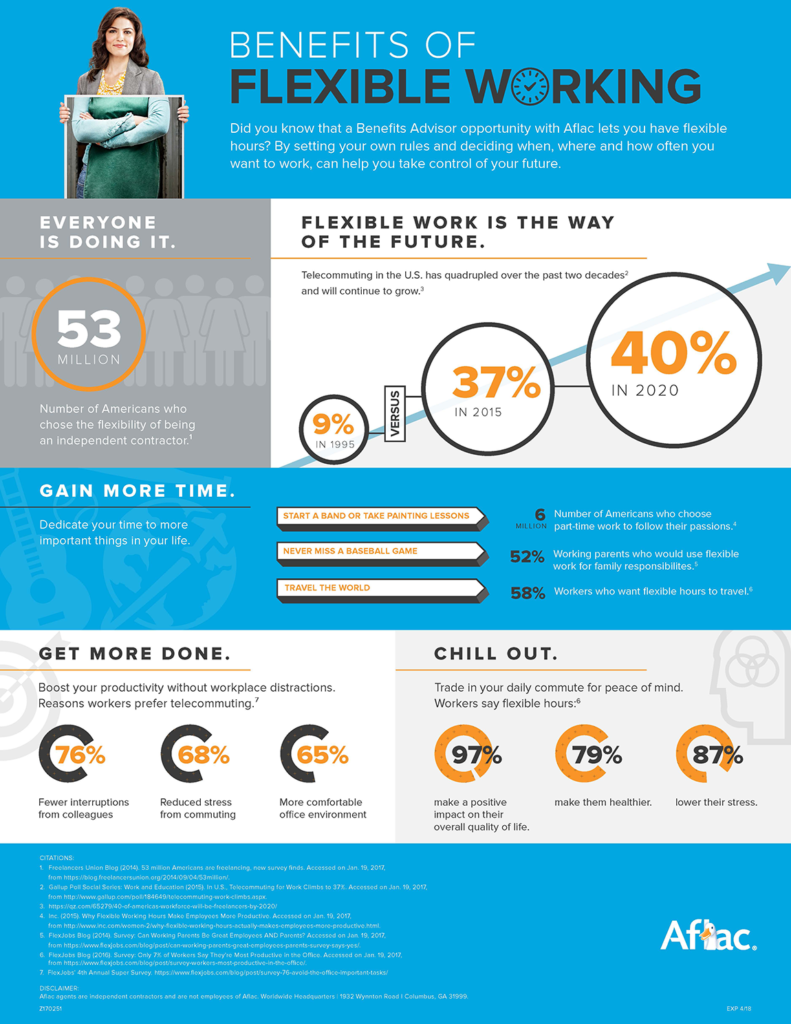
Remote and hybrid work have moved from emergency solutions to long-term arrangements. According to Pew Research Center, more than one-third of U.S. workers whose jobs can be done remotely now work from home full time. This shift has altered where people live, how they schedule their days, and what they expect from employers.
Instead of organizing life around work, many Americans are now organizing work around life.
This shows up in everyday decisions:
- Scheduling errands during midday breaks instead of evenings
- Choosing housing based on livability rather than commute distance
- Prioritizing asynchronous communication over constant availability
The cultural signal is clear: productivity is being measured less by hours logged and more by outcomes delivered.

The Rise of Intentional Time Use
Time has become one of the most consciously managed resources in American life. After years of packed schedules and constant digital interruptions, many people are choosing fewer commitments—and defending that choice unapologetically.
This trend isn’t about doing less for the sake of leisure. It’s about doing fewer things better.
Examples appear across demographics:
- Parents consolidating extracurricular activities to protect family time
- Professionals declining “optional” meetings as a matter of principle
- Retirees structuring days around energy levels rather than obligations
Gallup data shows that Americans increasingly associate well-being with control over time rather than income alone. The result is a subtle cultural shift away from busyness as a status symbol.
Health Moves Beyond Fitness Culture
Health-focused lifestyles in the U.S. are becoming less performative and more practical. Rather than chasing extreme diets or intense workout regimens, many Americans are prioritizing sustainability and mental health.
Key changes include:
- Walking as a primary form of exercise
- Strength training for longevity rather than aesthetics
- Sleep quality treated as non-negotiable
The Centers for Disease Control and Prevention reports steady growth in adults prioritizing preventive care and stress management. This reflects a broader understanding that health is cumulative and daily, not episodic.
Importantly, this approach is less about self-optimization and more about resilience—maintaining physical and mental capacity over decades, not just seasons.
Spending with Purpose, Not Deprivation
Economic pressure has made American consumers more selective, but not necessarily more frugal in the traditional sense. The emerging pattern is intentional spending—cutting back in some areas to spend more meaningfully in others.
Households are:
- Reducing impulse purchases
- Investing in fewer, higher-quality items
- Prioritizing experiences that support relationships and well-being
Data from the Bureau of Labor Statistics shows that while discretionary spending fluctuates, spending on services related to wellness, home improvement, and education has remained resilient.
This is not minimalism as an aesthetic. It’s discernment as a financial strategy.
Home as a Multifunctional Hub
The American home has quietly evolved into a hybrid space—office, wellness center, classroom, and social venue combined.
Rather than expanding square footage, many households are rethinking how existing space is used:
- Dining tables doubling as workstations
- Spare rooms converted into flexible-use areas
- Outdoor spaces treated as extensions of living areas
This shift has influenced everything from furniture design to neighborhood selection. Homes are being valued not just for size or location, but for adaptability.
As a result, daily life has become more home-centered without becoming isolated.
Food Choices Driven by Routine, Not Trends
Food culture in the U.S. has shifted away from novelty and toward reliability. While interest in nutrition remains high, Americans are favoring routines that fit real schedules.
Common patterns include:
- Simple, repeatable meals during the week
- Fewer restaurant visits, but more intentional ones
- Greater attention to how food affects energy and mood
The USDA notes rising interest in home cooking paired with convenience-oriented ingredients. The goal is consistency, not culinary perfection.
Food is increasingly viewed as infrastructure for daily functioning rather than entertainment.
Community on a Smaller, More Personal Scale
Large social networks are giving way to smaller, more dependable circles. Americans are investing in relationships that offer mutual support rather than visibility.
This trend shows up in:
- Increased participation in local groups and activities
- Preference for in-person connection over broad online engagement
- A renewed emphasis on neighborly interaction
Research from the American Psychological Association links social connection with reduced stress and improved health outcomes, reinforcing the value of depth over breadth in relationships.
Daily life is becoming quieter—but more grounded.
Digital Boundaries as a Lifestyle Skill
Technology remains central to American life, but how it’s used is changing. Rather than constant connectivity, many people are practicing selective engagement.
This includes:
- Turning off nonessential notifications
- Designating phone-free times or rooms
- Choosing single-purpose devices over all-in-one screens
These habits are less about rejecting technology and more about preventing it from dictating attention. The result is greater presence in daily activities—from conversations to meals to rest.
What These Trends Have in Common
Across all these changes, a unifying theme emerges: Americans are optimizing for livability rather than performance.
The lifestyle shifts redefining daily life are not flashy. They are pragmatic, values-driven, and shaped by lived experience. They suggest a culture learning to adapt—not by striving harder, but by choosing more deliberately.

Frequently Asked Questions
Are these lifestyle trends permanent or temporary?
Most are structural responses to long-term economic, technological, and social changes, making them more durable than short-lived trends.
How are these changes affecting different generations?
While younger adults often adopt them first, older generations are increasingly embracing similar priorities around health, time, and flexibility.
Is remote work still expanding in the U.S.?
Growth has stabilized, but hybrid and flexible models are becoming entrenched rather than reversing.
Are Americans becoming less ambitious?
Ambition is shifting toward sustainability, autonomy, and quality of life rather than traditional markers alone.
How do these trends affect spending habits?
Consumers are prioritizing value and usefulness over volume, leading to more selective purchasing.
Is community engagement actually increasing?
Yes, but on a smaller scale—local and personal rather than broad or digital-first.
What role does mental health play in these shifts?
A significant one. Stress reduction and emotional well-being are driving many lifestyle decisions.
Are these changes limited to urban areas?
No. While they may appear first in cities, similar patterns are emerging in suburban and rural communities.
How can individuals adapt without major lifestyle overhauls?
Most changes begin with small adjustments—time management, spending choices, and boundary-setting.
A Culture Learning to Live More Deliberately
The most defining feature of today’s American lifestyle shifts is restraint. Not in opportunity, but in excess. As daily life becomes more intentional, success is increasingly measured by sustainability—how well life works, not how full it looks.
What This Moment Reveals About American Life
- Daily routines now reflect long-term thinking
- Time, health, and attention are treated as finite resources
- Homes and work are integrated rather than siloed
- Community is defined by reliability, not reach
- Lifestyle choices favor resilience over intensity