
Summary
Energy efficiency is no longer just a cost-saving tactic—it’s becoming a core part of how Americans design homes, manage expenses, and think about comfort and resilience. This article explores why energy-efficient living is gaining momentum across the U.S., how everyday lifestyles are changing, and what this shift means for households today and over the next decade.
A Quiet Change in How Americans Live
For decades, energy efficiency in the United States lived mostly in the background. It showed up in appliance labels, utility rebate flyers, and occasional conversations about lowering monthly bills. Today, that has changed. Energy efficiency has become part of a broader lifestyle recalibration—one shaped by rising housing costs, climate realities, technology adoption, and changing expectations around comfort and control.
Unlike previous waves of environmental awareness, this shift isn’t driven primarily by ideology. It’s practical. Americans are paying closer attention to how their homes perform, how much energy they consume, and how those factors affect daily life. Energy efficiency now intersects with quality of life in ways that feel immediate and tangible.
Why Energy Efficiency Has Become a Lifestyle Issue
Several converging forces have pushed energy efficiency out of the technical realm and into everyday decision-making.
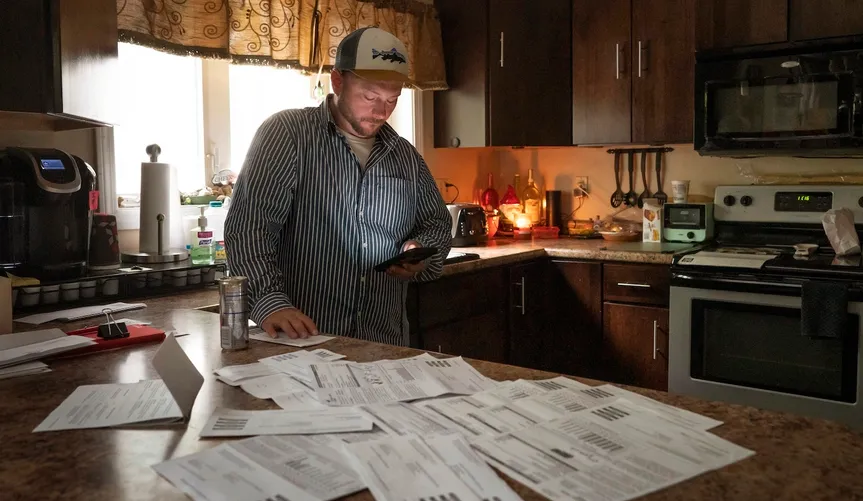
First, energy costs are no longer predictable. According to data from the U.S. Energy Information Administration, residential electricity prices have risen steadily over the past decade, with sharper increases in certain regions during peak demand seasons. For households managing tight budgets or fixed incomes, efficiency isn’t optional—it’s risk management.
Second, Americans are spending more time at home than they did a generation ago. Remote and hybrid work, aging in place, and increased home-based caregiving have all elevated expectations around indoor comfort, air quality, and temperature stability. A drafty or inefficient home isn’t just inconvenient; it interferes with productivity and well-being.
Third, extreme weather events—from prolonged heat waves to severe winter storms—have made energy reliability a personal concern. Efficiency upgrades such as improved insulation or high-performance windows are increasingly viewed as resilience investments rather than cosmetic improvements.
The New Definition of Comfort at Home
Comfort used to mean setting the thermostat to a preferred number and adjusting as needed. Today, comfort is more nuanced. Homeowners and renters alike are learning that efficient homes feel different—not because they are more controlled, but because they are more balanced.
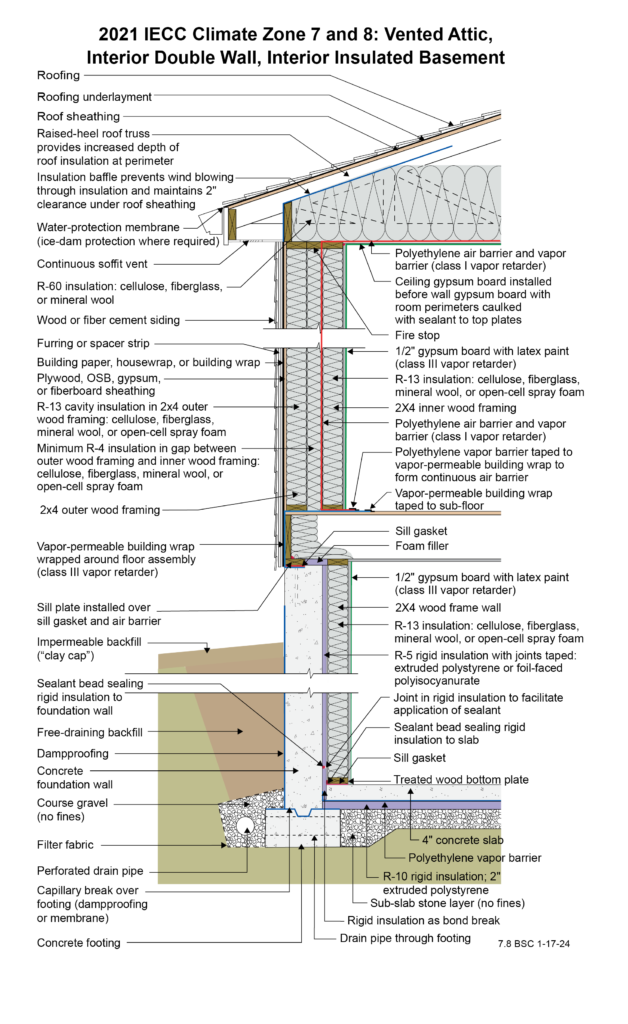
Energy-efficient homes typically maintain steadier indoor temperatures, reduce humidity swings, and minimize drafts. These improvements are often the result of less visible upgrades: air sealing, insulation, duct improvements, and efficient HVAC systems.
Many Americans report noticing lifestyle benefits that go beyond energy savings:
- Quieter interiors due to better insulation and sealed windows
- More consistent room-to-room temperatures
- Fewer hot or cold spots during extreme weather
- Improved indoor air quality when efficiency upgrades are paired with ventilation improvements
These changes affect daily routines—from sleeping better at night to working more comfortably during the day.
Energy Efficiency and the Cost-of-Living Conversation
Energy efficiency has become closely tied to financial planning. While upfront upgrade costs still matter, the conversation has shifted toward long-term predictability and monthly stability.
Homeowners increasingly evaluate energy upgrades the same way they assess insurance or maintenance spending. The logic is straightforward: lower and more stable energy bills reduce financial volatility. In regions with high cooling or heating demands, even modest efficiency improvements can noticeably smooth monthly expenses.
Renters, too, are becoming more energy-aware. Listings that highlight efficient appliances, lower utility averages, or updated building systems often attract more attention. Some property managers now treat energy efficiency as a tenant-retention tool rather than a regulatory checkbox.
Everyday Examples of the Lifestyle Shift
The shift toward energy-efficient living isn’t abstract—it shows up in daily decisions across the country.
A family in the Midwest chooses attic insulation upgrades after repeated winter heating spikes, discovering their home stays warmer even during power fluctuations. A retiree in Arizona replaces an aging air conditioner with a high-efficiency heat pump, finding that the house cools more evenly and quietly during peak summer months. A young professional working from home opts for smart thermostats and LED lighting to better manage daytime energy use without constant adjustments.
In each case, efficiency supports a lifestyle goal—comfort, predictability, or control—rather than standing alone as a technical improvement.
Technology’s Role in Making Efficiency Personal
Technology has played a significant role in bringing energy efficiency into daily awareness. Smart thermostats, energy monitoring apps, and utility dashboards now translate consumption into understandable patterns.
Instead of abstract kilowatt-hours, Americans see:
- How much energy different times of day require
- Which systems drive seasonal spikes
- How small habit changes affect monthly costs
This feedback loop encourages experimentation and personalization. People adjust schedules, automate settings, or upgrade equipment based on lived experience rather than generic advice.
Importantly, technology has lowered the barrier to entry. Many efficiency improvements no longer require deep technical knowledge—just curiosity and attention.
Energy Efficiency and Home Design Trends
New construction and renovation trends reflect this lifestyle shift. Energy efficiency is increasingly embedded in design conversations rather than treated as an add-on.
Architects and builders now emphasize:
- Better building envelopes that reduce heat transfer
- Layouts that maximize natural light without overheating
- Materials that support long-term durability and lower maintenance
Homebuyers are also asking more informed questions. Instead of focusing solely on square footage or finishes, they want to know how a home performs across seasons and over time.
This shift aligns with broader lifestyle values: fewer surprises, lower stress, and spaces that work with occupants rather than against them.
The Role of Policy Without the Politics
While federal and state incentives have helped accelerate efficiency adoption, most Americans encounter these programs pragmatically. Tax credits, rebates, and financing options make upgrades more accessible, but they rarely drive interest on their own.
Instead, incentives tend to validate decisions people already want to make. When a homeowner is considering replacing an aging furnace, an efficiency rebate tips the scale toward a higher-performance option. When renters see utility-included efficiency upgrades, it reinforces expectations around modern housing standards.
In this sense, policy acts as a facilitator rather than a motivator—supporting lifestyle shifts already underway.
Common Questions Americans Ask About Energy-Efficient Living
People exploring energy efficiency often begin with practical, search-driven questions rooted in everyday concerns.
They want to know whether upgrades pay off, how disruptive improvements will be, and which changes matter most. Importantly, many are less interested in theoretical savings and more focused on lived experience: comfort, reliability, and peace of mind.
The next section addresses these questions directly.
Frequently Asked Questions
1. Is energy efficiency worth it if I plan to move in a few years?
Often yes. Many efficiency upgrades improve comfort immediately and can increase resale appeal, especially in regions with high energy costs.
2. What are the most noticeable efficiency improvements for daily comfort?
Air sealing, insulation, and efficient HVAC systems tend to deliver the most noticeable comfort improvements.
3. Do energy-efficient homes really save money long term?
According to multiple utility and housing studies, efficient homes typically experience lower lifetime operating costs, especially as energy prices rise.
4. How does energy efficiency affect indoor air quality?
When paired with proper ventilation, efficiency upgrades can reduce drafts, pollutants, and humidity fluctuations.
5. Are smart home devices necessary for energy efficiency?
No, but they can make managing energy use easier and more responsive to daily routines.
6. Can renters benefit from energy efficiency?
Yes. Efficient appliances, lighting, and building systems directly affect monthly utility costs and comfort.
7. What’s the first step toward improving home energy efficiency?
A professional energy assessment or utility audit often provides the clearest roadmap.
8. Does energy efficiency matter in mild climates?
Yes. Even moderate climates benefit from improved comfort, durability, and long-term cost control.
9. How long do efficiency upgrades typically last?
Many improvements, such as insulation and windows, can last decades with minimal maintenance.
A Cultural Reframing of How Homes Are Expected to Perform
What’s happening in American households today reflects a deeper cultural shift. Homes are no longer passive shelters; they are active systems expected to support health, productivity, and financial stability.
Energy efficiency fits naturally into this reframing. It aligns with a desire for fewer trade-offs—between comfort and cost, between sustainability and convenience. As expectations evolve, efficiency becomes less about doing more with less and more about living better with what we already have.
What This Shift Signals for the Next Generation of Homes
- Energy efficiency is becoming a baseline expectation rather than a premium feature
- Lifestyle-driven demand will likely outpace regulation-driven adoption
- Comfort, resilience, and predictability will define future housing value