
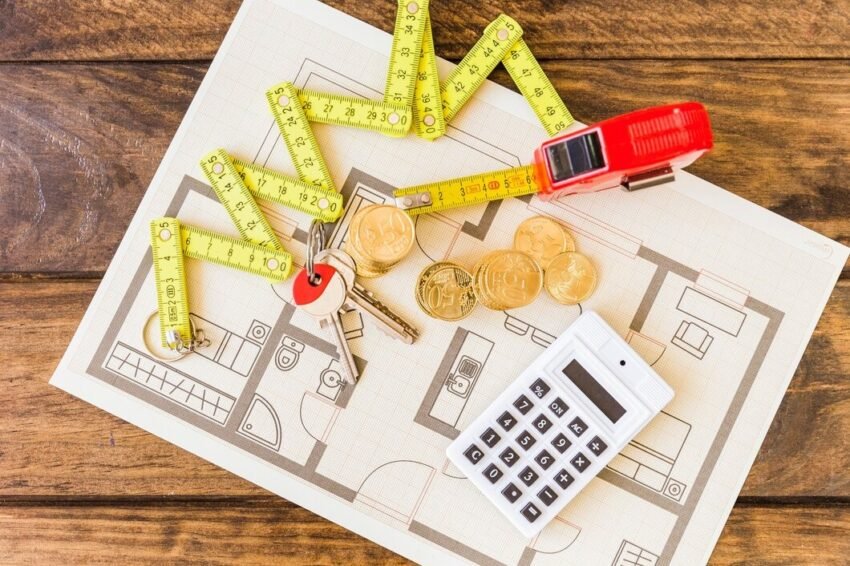
DIY projects can save money—but only when properly planned. Many homeowners underestimate tool expenses, permit fees, material waste, time overruns, and the cost of correcting mistakes. This guide breaks down the most common hidden costs of DIY renovations and explains how to budget strategically, reduce risk, and avoid financial surprises before picking up a hammer.
DIY culture is deeply embedded in American homeownership. According to the Home Improvement Research Institute, homeowners spend hundreds of billions annually on home improvements, with a substantial share attributed to do-it-yourself projects. The appeal is understandable: eliminating labor costs can significantly reduce upfront expenses.
But the question many homeowners search—“Is DIY really cheaper?”—doesn’t always have a straightforward answer.
While DIY can absolutely reduce costs, it also introduces hidden financial variables that professionals routinely factor into their pricing. When those variables are overlooked, budgets expand quickly.
Understanding the true cost of DIY requires looking beyond the price tag of materials.
1. Tool Purchases and Equipment Rentals
One of the most overlooked expenses is tool acquisition. Watching a tutorial online can make a project appear simple—until you realize the instructor is using professional-grade tools you don’t own.
Hidden tool costs often include:
- Specialty saws (miter saw, wet tile saw)
- Nail guns and compressors
- Laser levels
- Stud finders
- Plumbing-specific tools
- Electrical testing devices
While many home improvement retailers offer rentals, rental fees accumulate if the project runs longer than expected. For example, renting a tile saw for a weekend may be affordable—but if delays extend into a second weekend, costs double.
Ask yourself before starting:
- Will I use this tool again?
- Is buying more cost-effective than renting?
- Do I know how to operate it safely?
Tool costs are not one-time expenses if mistakes require redo work.
2. Material Waste and Overages
Professionals typically build waste percentages into estimates. DIYers often do not.
For flooring, tile, or trim work, waste from incorrect cuts or measurement errors can increase material purchases by 10–20%. According to industry guidance referenced by the National Association of Home Builders, accurate takeoffs are critical to budget management.
A real-world example: installing luxury vinyl plank flooring in a 400-square-foot room may require ordering an additional 5–10% for waste. Without that buffer, mismatched dye lots or discontinued products can create additional expense later.
Planning for material overage reduces mid-project trips to the store—and potential mismatches.
3. Permit Fees and Inspection Costs
Many homeowners underestimate regulatory costs. Municipalities across the United States require permits for electrical, plumbing, structural, and mechanical modifications.
In cities such as Chicago or Phoenix, permit fees can vary widely depending on project scope.
Common permit-related expenses include:
- Application fees
- Inspection scheduling fees
- Plan review charges
- Re-inspection fees if corrections are needed
Skipping permits may seem like a way to save money, but unpermitted work can complicate resale. Buyers and appraisers often flag visible upgrades that lack documentation.
Permit planning should be part of your financial preparation—not an afterthought.
4. The Cost of Time
Time has monetary value—even when you’re not writing a check for labor.
Homeowners frequently underestimate how long projects take. A bathroom renovation that takes a professional team five business days may take a DIYer several weekends.
Extended timelines can create indirect expenses:
- Dining out when kitchens are unusable
- Temporary lodging for major renovations
- Storage rentals
- Lost income if time off work is required
The Joint Center for Housing Studies of Harvard University reports that project delays are a common source of budget expansion.
When evaluating DIY savings, factor in how your time affects overall cost.
5. Correcting Mistakes
Mistakes are part of learning—but they are rarely free.
Common DIY corrections include:
- Replacing cracked tile due to improper subfloor preparation
- Repainting walls due to inadequate priming
- Reinstalling cabinets due to leveling errors
- Repairing drywall damaged during demolition
If corrections require professional intervention, costs can exceed what hiring a pro would have cost initially.
For example, improperly installed plumbing connections that leak behind walls may result in water damage—adding repair expenses beyond the original project.
Planning for a contingency fund of 10–20% is widely recommended across the industry.
6. Disposal and Cleanup Expenses
Demolition produces debris. Disposal isn’t always as simple as curbside trash pickup.
Potential expenses include:
- Dumpster rental
- Hauling fees
- Dump site charges
- Recycling fees for certain materials
Some municipalities restrict construction waste disposal in residential bins. Research local policies before starting demolition.
Cleanup also includes purchasing heavy-duty trash bags, protective coverings, and cleaning supplies.
7. Insurance and Liability Considerations
Homeowners insurance policies vary in how they treat renovation-related damage. If a DIY project causes structural or water damage, coverage may depend on policy terms.
The Insurance Information Institute advises homeowners to review coverage before beginning major projects.
Questions to ask your insurer:
- Is accidental damage during renovation covered?
- Are friends helping covered under liability provisions?
- Does major renovation require policy updates?
Overlooking insurance details can create unexpected financial exposure.
8. Energy Efficiency Trade-Offs
Sometimes DIY decisions unintentionally increase long-term operating costs.
Examples include:
- Choosing low-cost windows with poor insulation ratings
- Installing appliances without reviewing energy efficiency
- Improperly sealing gaps after replacing fixtures
The U.S. Department of Energy emphasizes that air sealing and insulation directly affect heating and cooling expenses.
Short-term savings can result in higher monthly utility bills if quality is compromised.
9. Resale Implications
Homeowners often ask: Can bad DIY hurt home value?
Yes—especially when workmanship is visibly inconsistent.
According to the National Association of Realtors, buyer perception strongly influences resale pricing. Visible shortcuts or code violations can reduce confidence.
Hidden resale-related costs include:
- Paying contractors to correct visible issues before listing
- Offering buyer credits for unfinished work
- Failing inspections that delay closing
DIY is most cost-effective when quality meets professional standards.
10. Emotional and Household Costs
Financial cost isn’t the only variable. Extended disruptions affect daily life.
Consider:
- Stress from prolonged mess
- Noise disruptions
- Strain on family routines
- Reduced functionality of key rooms
These indirect costs may not appear on a spreadsheet—but they influence overall project value.
Planning realistic timelines and setting clear expectations can mitigate emotional strain.
How to Plan for Hidden DIY Costs
Strategic planning reduces risk significantly.
Practical planning steps include:
- Add a 15–20% contingency buffer
- Research permit requirements before purchasing materials
- Calculate tool rental vs. purchase costs
- Build a realistic project timeline
- Confirm insurance coverage
- Order extra materials to prevent mismatches
- Plan waste disposal in advance
- Avoid over-improving beyond neighborhood standards
Preparation is often the dividing line between savings and overspending.
Frequently Asked Questions
1. How much extra should I budget for unexpected DIY expenses?
A contingency of 15–20% is widely recommended.
2. Are permit fees expensive?
They vary by municipality and project scope.
3. Is renting tools cheaper than buying?
It depends on project duration and future use.
4. Can DIY mistakes cost more than hiring a contractor?
Yes, especially if structural or plumbing errors occur.
5. Does homeowners insurance cover DIY damage?
Coverage varies—review your policy before starting.
6. What is the most common hidden cost?
Time overruns and material waste.
7. Should I skip permits to save money?
Skipping permits can create resale and liability issues.
8. Do DIY projects always increase home value?
Only when executed properly and aligned with market standards.
9. How do I reduce waste costs?
Order appropriate overage and measure carefully.
10. What’s the safest way to control DIY spending?
Plan thoroughly and avoid expanding scope mid-project.
Planning Before the First Cut: A Smarter Approach to DIY
DIY projects can absolutely deliver savings and satisfaction—but only when planned with the same discipline professionals apply. Hidden costs rarely appear in promotional tutorials or material estimates. They emerge in tool aisles, permit offices, and extended project timelines.
A thoughtful budget accounts for waste, time, compliance, corrections, and long-term impact. When you prepare for these realities, DIY becomes a strategic investment rather than a financial gamble.
Budget Guardrails to Keep Your Project on Track
- Include a 15–20% contingency
- Factor in tool and rental expenses
- Account for permit and inspection fees
- Plan for material overage
- Budget for waste disposal
- Confirm insurance coverage
- Consider time-related costs
- Protect resale value through quality work