
Summary
Many home cooks unknowingly undermine their own meals through small, habitual mistakes—ranging from poor heat control to improper seasoning timing. This article breaks down the most common, overlooked cooking errors and explains how to fix them using practical, experience-based guidance. The goal is better flavor, consistency, and confidence in everyday American kitchens.
Home cooking in the U.S. has surged in recent years, driven by rising food costs, health concerns, and a renewed interest in eating well at home. Yet many people who cook regularly still feel frustrated by meals that fall short—vegetables that taste flat, proteins that come out dry, or dishes that never look or taste like they should.
In most cases, the problem isn’t a lack of skill or effort. It’s a handful of small, often invisible mistakes that quietly affect results. These aren’t dramatic failures; they’re habits passed down, shortcuts taken for convenience, or misunderstandings about how cooking actually works.
Understanding these common errors—and how to correct them—can dramatically improve everyday meals without requiring expensive equipment or complicated techniques.
Cooking Without Managing Heat Properly
One of the most common mistakes home cooks make is treating heat as a fixed setting rather than an adjustable tool.
Many people preheat a pan briefly, turn the burner to medium, and never touch it again. In reality, heat should change throughout the cooking process. Proteins often benefit from high heat at the beginning to build flavor, then lower heat to finish gently. Vegetables can scorch before softening if the heat is too aggressive too early.
Professional kitchens constantly adjust heat because stoves don’t behave the same way once food hits the pan. Moisture, fat, and food density all affect temperature.
A simple improvement is learning to listen and watch. If food is sputtering violently, the heat is likely too high. If nothing is happening, it’s too low. Developing this awareness takes time but pays off quickly.
Underseasoning—or Seasoning at the Wrong Time
Many home cooks believe they season generously, yet still end up with bland food. Often, the issue isn’t quantity but timing.
Salt added only at the end sits on the surface instead of penetrating the food. Seasoning proteins and vegetables earlier—sometimes 15 to 40 minutes before cooking—allows salt to dissolve and move inward, improving flavor throughout.
Another common mistake is relying on salt alone. Acid plays a critical role in flavor balance. A squeeze of lemon, a splash of vinegar, or a spoonful of yogurt can make a dish taste brighter without adding more salt.
Experienced cooks often taste repeatedly and adjust in small increments rather than making one large correction at the end.
Overcrowding the Pan
Overcrowding is one of the fastest ways to sabotage good ingredients.
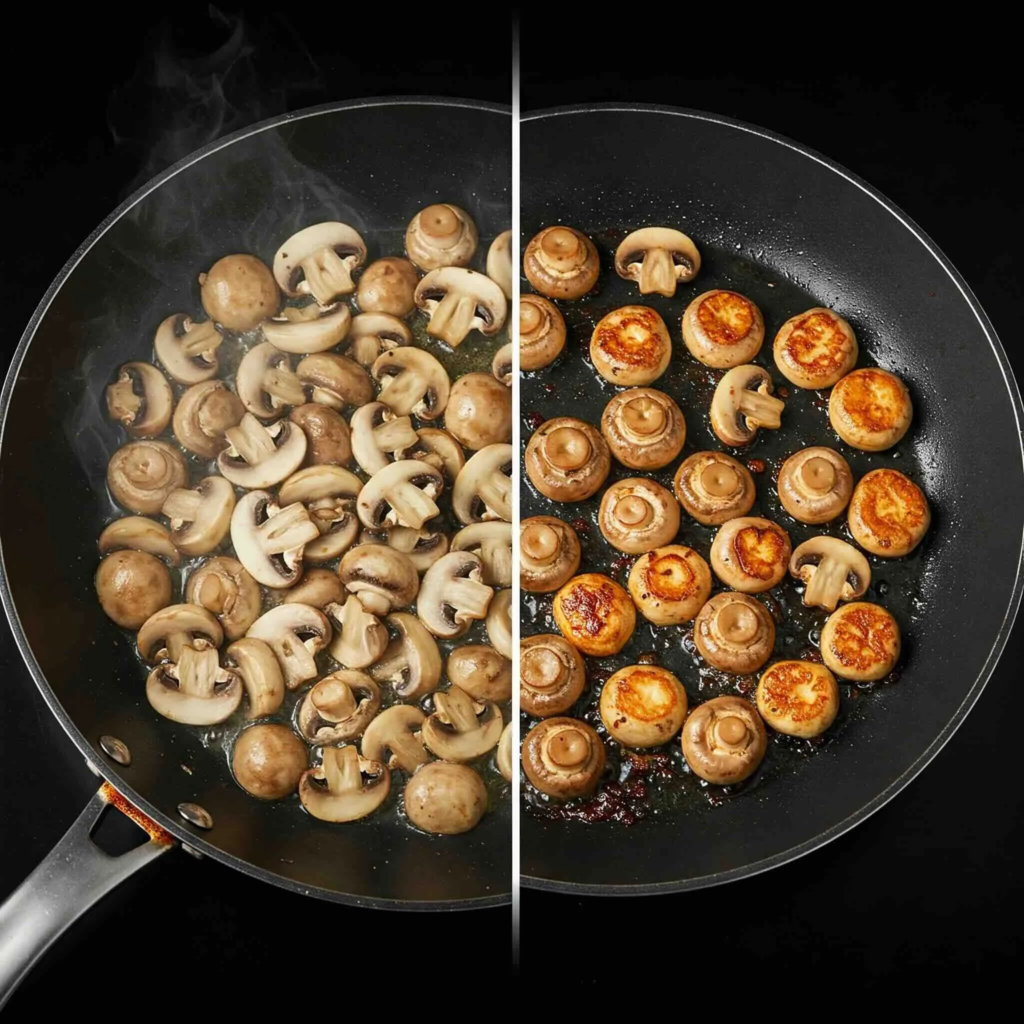
When too much food is added to a pan at once, moisture released from the ingredients lowers the temperature. Instead of browning, food steams. This is why vegetables turn soft and pale rather than caramelized, and why meats fail to develop a flavorful crust.
Home kitchens often encourage overcrowding because cookware is smaller than restaurant equipment. The solution isn’t buying new pans—it’s cooking in batches.
Cooking in stages may feel slower, but it produces far better texture and flavor. Many professional recipes are written with this assumption, even if it isn’t always stated clearly.
Cooking Proteins Straight From the Refrigerator
Another subtle but impactful mistake is cooking cold proteins.
When meat goes straight from the refrigerator to the pan, the exterior cooks much faster than the interior. This often results in overcooked edges and undercooked centers, especially with thicker cuts.
Letting proteins rest at room temperature for 20–30 minutes before cooking promotes more even cooking. This doesn’t pose a food safety risk for intact cuts and is widely practiced in professional kitchens.
Patting proteins dry before cooking also matters more than many realize. Surface moisture prevents browning and delays flavor development.
Relying Too Heavily on Recipes Instead of Sensory Cues
Recipes are essential learning tools, but strict adherence can become a limitation.
Cooking times vary depending on stove strength, pan material, ingredient size, and even humidity. A recipe’s “cook for five minutes” is an estimate, not a guarantee.
Skilled home cooks gradually shift from watching the clock to watching the food. They look for color changes, listen for sound shifts, and feel texture with a spatula or tongs.
This doesn’t mean ignoring recipes. It means using them as frameworks rather than rigid instructions.
Skipping the Resting Step
Resting food isn’t just for steak, yet many home cooks skip it entirely.
When proteins cook, juices move toward the surface. Cutting immediately causes those juices to spill out, leaving food dry. Resting allows moisture to redistribute.
Even roasted vegetables and baked casseroles benefit from a short rest. Flavors settle, textures stabilize, and portions hold together better.
A general guideline is to rest meats for about 5–10 minutes, depending on size. This small pause often makes the difference between a good meal and a great one.
Misunderstanding Fat and Oil
Fat is a flavor carrier, not just a cooking medium. Many home cooks use too little oil out of habit or health concerns, leading to sticking and uneven cooking.
At the same time, using the wrong oil for the job can cause off flavors or smoking issues. Olive oil works well for low to medium heat, while neutral oils like canola or avocado oil perform better at higher temperatures.
Butter adds flavor but burns quickly unless combined with oil or used at lower heat. Understanding these differences allows cooks to make intentional choices rather than default ones.
Neglecting Knife Skills and Prep Work
Poor knife skills don’t just slow cooking—they affect results.
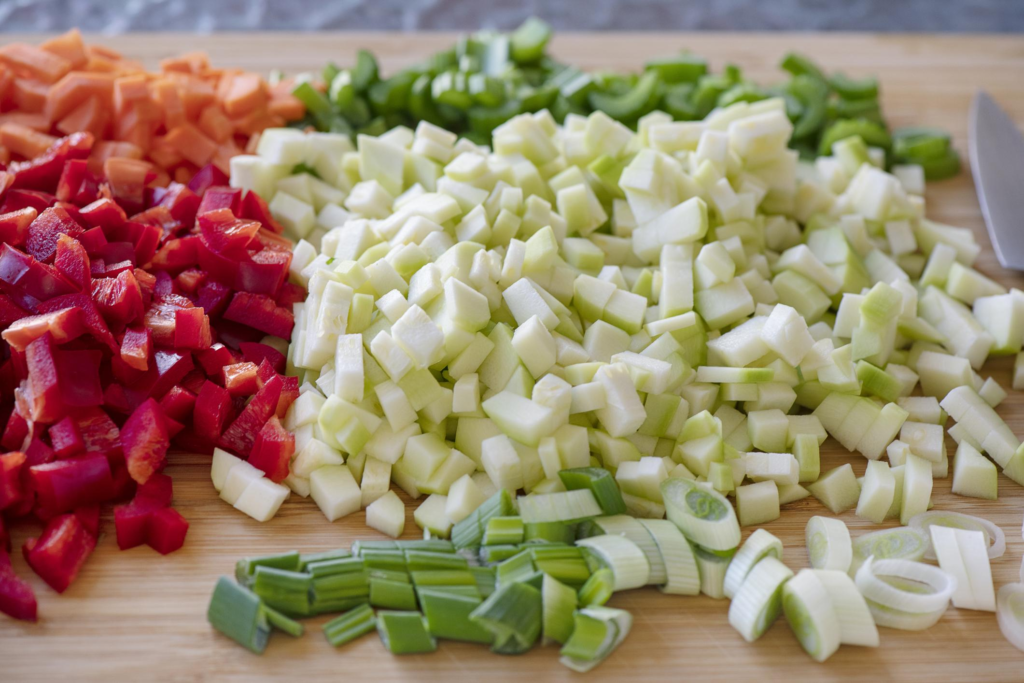
Unevenly cut ingredients cook at different rates, leading to inconsistent texture. Large onion chunks may remain raw while smaller ones burn. Thick carrot pieces stay hard while thin slices turn mushy.
Good prep doesn’t require professional-level knife work, but it does require consistency. Taking a few extra minutes to cut ingredients evenly often reduces cooking time and stress later.
Not Tasting Throughout the Process
Perhaps the most overlooked mistake is failing to taste until the meal is finished.
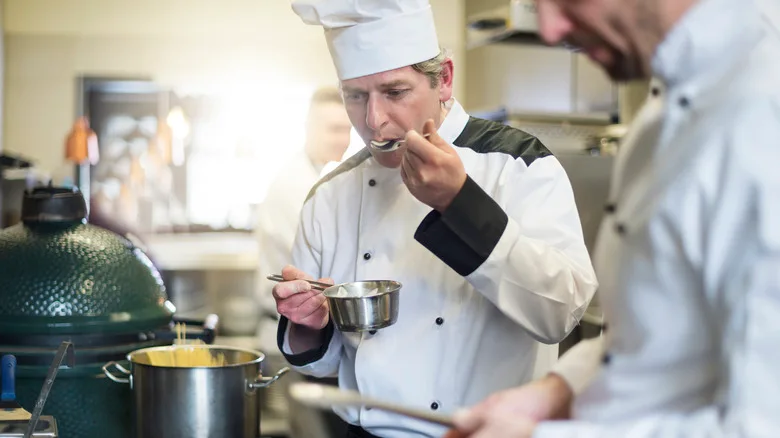
Tasting early and often allows small corrections that prevent larger problems. Adjusting salt, acid, or fat gradually creates balance. Waiting until the end limits options and often leads to overcompensation.
Professional cooks taste constantly, even when cooking familiar dishes. This habit builds intuition and confidence over time.
Frequently Asked Questions
Why does my food taste bland even when I follow the recipe?
Seasoning timing, insufficient salt, or missing acid are common causes.
Is it safe to let meat sit out before cooking?
Yes, for intact cuts, 20–30 minutes at room temperature is standard practice.
Why don’t my vegetables brown properly?
Overcrowding the pan or excess moisture usually prevents browning.
Does resting meat really matter?
Yes. Resting improves moisture retention and texture.
How do I know when to adjust heat?
Listen for sound changes and watch how quickly food browns.
Why does restaurant food taste better?
Better heat control, proper seasoning, and frequent tasting are key factors.
Is olive oil bad for cooking?
No, but it’s best for lower temperatures.
Should I always follow cooking times exactly?
Use them as guides, not rules—visual cues matter more.
How often should I taste while cooking?
At every major stage, especially after seasoning.
Where Better Cooking Actually Begins
Improving as a home cook isn’t about mastering complex techniques or buying professional equipment. It’s about noticing small patterns—how food reacts to heat, when seasoning makes a difference, and why patience matters more than speed. Once these invisible mistakes become visible, cooking feels less frustrating and far more rewarding.
Key Shifts That Make the Difference
- Manage heat actively, not passively
- Season earlier and taste often
- Give food space, time, and rest
- Trust sensory cues over rigid timing
- Treat cooking as a process, not a checklist