
Summary
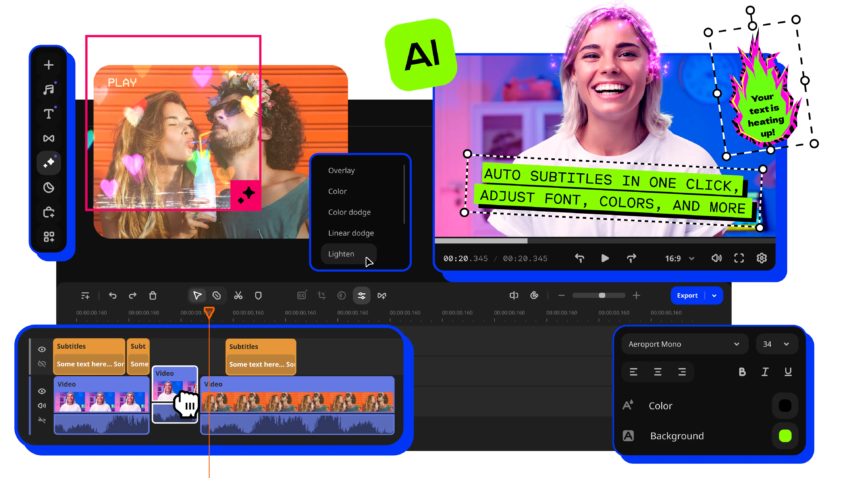
Celebrity in the streaming era is no longer defined by Hollywood gatekeepers or mass exposure alone. Platforms like YouTube, TikTok, and Netflix have reshaped fame into something more fragmented, data-driven, and personal. This shift affects how audiences form trust, how creators build careers, and how influence now works in everyday American culture.
Introduction: From Spotlight to Screen
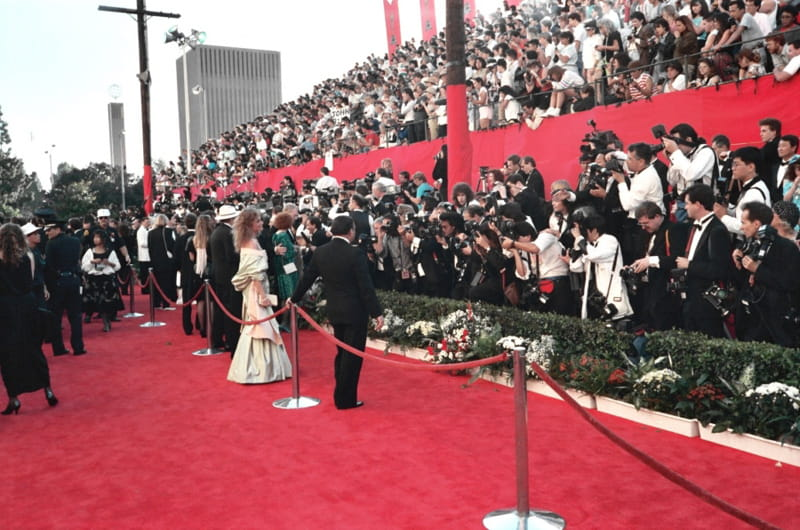
For most of the 20th century, celebrity followed a familiar pattern. A small group of entertainers—movie stars, musicians, athletes, and TV personalities—were elevated by studios, networks, and record labels. Their fame was broad, slow-building, and largely controlled by institutions.
The streaming era changed that structure almost overnight.
Today, celebrity can be earned without a casting call, radio play, or studio contract. A creator with a smartphone and a consistent point of view can reach millions. At the same time, traditional celebrities still exist, but their influence is measured differently—often alongside people who would not have been considered famous a decade ago.
This evolution has not made celebrity less meaningful. It has made it more complex.
What Defines a Celebrity Today?
In the streaming era, celebrity is no longer just about visibility. It is about attention, consistency, and perceived authenticity.
A modern celebrity typically has:
- A direct relationship with an audience
- A defined niche or identity
- Measurable engagement rather than passive recognition
Someone with 500,000 deeply engaged followers on YouTube or TikTok can have more practical influence than a household-name actor whose audience engagement is minimal. This is a fundamental shift in how fame functions.
Search trends in the U.S. reflect this change. Queries such as “how do YouTubers make money”, “TikTok creator income”, and “Netflix stand-up comedians” now rival searches for traditional celebrities. Americans are increasingly interested not just in who is famous, but how fame works.
The Role of Streaming Platforms in Redefining Fame
Streaming platforms altered celebrity by removing traditional bottlenecks. YouTube enabled long-form personal storytelling. TikTok compressed influence into seconds. Netflix globalized niche performers overnight.
These platforms introduced three major changes:
1. Speed of Recognition
A creator can gain national visibility in weeks rather than years. While not all viral success lasts, the barrier to entry is dramatically lower.
2. Fragmented Audiences
Instead of one mass audience, fame now exists in pockets—gaming, comedy, finance, wellness, education. Many creators are unknown to the general public but essential within their communities.
3. Algorithmic Mediation
Fame is no longer curated solely by editors or executives. Algorithms decide who is surfaced, rewarded, or forgotten, often based on engagement patterns rather than perceived talent.
This system favors consistency and adaptability over mystique.
Why Audiences Trust Streaming-Era Celebrities Differently
Trust is central to modern celebrity culture.
American audiences increasingly gravitate toward personalities who feel accessible rather than untouchable. This does not mean they expect perfection; in fact, visible flaws often strengthen credibility.
Research from the Pew Research Center shows that Americans place higher trust in individuals they perceive as “relatable” and “transparent,” particularly among younger demographics. This explains why creators who share behind-the-scenes struggles, career setbacks, or personal growth often outperform polished media figures in engagement.
Streaming-era celebrities:
- Speak directly to their audiences
- Control their own narratives
- Respond in real time to feedback
This dynamic creates a sense of participation rather than observation.
Traditional Celebrities in a Streaming World
Movie stars, musicians, and athletes have not disappeared. However, their role has changed.
Traditional celebrities now compete for attention in the same feeds as creators who built audiences organically. As a result, many have adapted by launching podcasts, YouTube channels, or exclusive streaming content.
This shift has consequences:
- Fame is no longer assumed; it must be maintained
- Public image requires constant calibration
- Audience loyalty is earned through ongoing presence
A film release alone rarely sustains relevance. Audiences expect continuity—updates, insights, and authenticity beyond the screen.
The Economics of Modern Celebrity
Celebrity in the streaming era is also more transparent as a business.
Creators openly discuss monetization through:
- Platform ad revenue
- Brand partnerships
- Subscription models
- Live events and merchandise
According to data from Influencer Marketing Hub, U.S.-based mid-level creators often earn more reliably than traditional entertainers early in their careers. This economic clarity has changed how Americans view fame—not just as recognition, but as an entrepreneurial path.
Importantly, this model rewards specialization. A comedian with a loyal streaming audience may earn more sustainably than someone chasing broad appeal without a clear niche.
How Stand-Up Comedy Illustrates the Shift
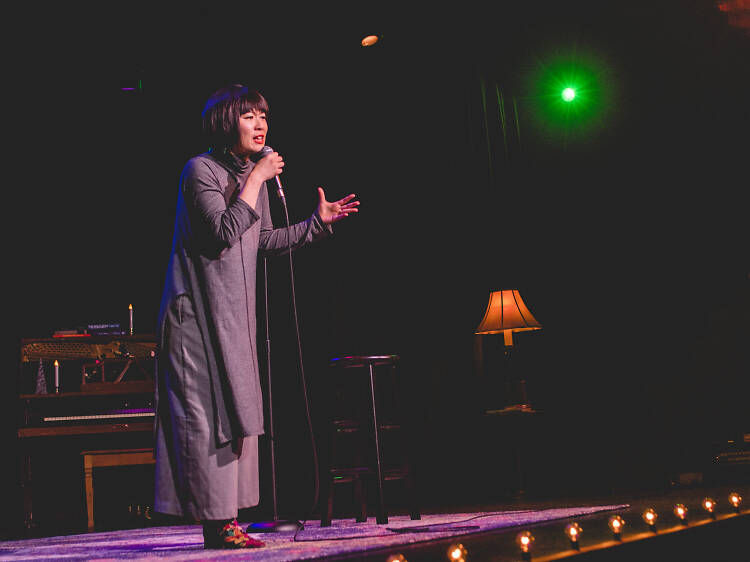
Stand-up comedy offers one of the clearest examples of how celebrity has evolved.
In previous decades, comedians relied on late-night TV appearances and comedy club circuits. Today, streaming specials and social media clips act as discovery engines. A comedian can build a national audience before ever appearing on network television.
This has reshaped expectations:
- Audiences discover comedians through short clips
- Full specials are consumed on demand
- Career longevity depends on adaptability, not just talent
The result is a wider range of voices, styles, and perspectives—reflecting the diversity of American audiences more accurately than before.
What Americans Are Really Searching For
Search behavior reveals practical curiosity rather than idle fascination. Common U.S. search queries include:
- How do creators become famous without Hollywood?
- Is streaming fame sustainable?
- What happens after viral success?
- How do celebrities stay relevant today?
- Is influencer culture replacing traditional celebrity?
These questions suggest that Americans are not rejecting celebrity. They are reevaluating what qualifies as meaningful influence.
Risks and Limitations of Streaming-Era Celebrity
While access has expanded, stability has not.
Streaming-era fame comes with challenges:
- Algorithm dependence can erase visibility overnight
- Audience burnout affects creators quickly
- Public scrutiny is constant and personal
Unlike traditional celebrities, many creators lack institutional support during downturns. This reality has led to more open conversations about mental health, burnout, and career sustainability within creator communities.
Fame is easier to enter—but harder to maintain.
Frequently Asked Questions
What is the main difference between traditional and streaming-era celebrities?
Traditional celebrities relied on institutions; streaming-era celebrities rely on direct audience relationships.
Are influencers considered celebrities now?
In many cases, yes—especially when their influence shapes consumer behavior or cultural conversations.
Is streaming fame more sustainable?
It can be, but only with consistent engagement, adaptability, and diversified income streams.
Do Americans trust creators more than traditional celebrities?
Trust often depends on perceived authenticity rather than fame level.
Can traditional celebrities succeed on streaming platforms?
Yes, but success usually requires a shift in tone and accessibility.
Why do niche creators have strong influence?
Because their audiences are highly targeted and deeply engaged.
Is viral success enough to build a career?
Rarely. Long-term success depends on strategy and consistency.
Does streaming democratize celebrity?
It lowers entry barriers but does not guarantee equal outcomes.
Will celebrity continue to evolve?
Yes. As platforms change, so will definitions of influence.
When Fame Becomes a Relationship, Not a Title
Celebrity in the streaming era is no longer defined by distance or spectacle. It is shaped by familiarity, trust, and sustained presence. Fame now functions less like a pedestal and more like an ongoing conversation—one where audiences decide who matters, for how long, and why.
This shift does not diminish celebrity. It reframes it as something earned daily, not granted permanently.
Key Shifts Worth Remembering
- Fame has moved from institutions to individuals
- Trust and relatability now outweigh mystique
- Streaming platforms reward consistency over spectacle
- Celebrity influence is increasingly niche-driven
- Longevity depends on adaptability, not visibility alone