

Summary
Streaming platforms have reshaped fame in America by changing how actors break through, how audiences form trust, and how careers are sustained. In the Netflix, Hulu, and Prime Video era, visibility no longer depends on traditional gatekeepers. This article explains how streaming has redefined celebrity, influence, and long-term relevance—and what that shift means for audiences and creators alike.
For most of the 20th century, fame in the United States followed a relatively predictable formula. A small number of television networks, movie studios, and talent agencies decided who audiences would see. Success meant box-office receipts, Nielsen ratings, magazine covers, and late-night talk show appearances.
That model no longer defines celebrity in America.
The rise of streaming platforms such as Netflix, Hulu, and Amazon Prime Video has quietly but fundamentally changed what it means to be famous. Today’s stars may not be household names across every demographic, but they often command deep loyalty, global reach, and career stability that traditional fame did not always guarantee.
This shift has consequences not just for performers, but for audiences, advertisers, and the entertainment industry itself.
From Mass Recognition to Targeted Influence
In the broadcast era, fame was broad but shallow. A successful network actor might be instantly recognizable to tens of millions of Americans, even if viewers rarely felt personally connected to them.
Streaming has flipped that dynamic.
Today’s OTT (over-the-top) stars often achieve:
- Smaller but more devoted audiences
- Stronger emotional connection with viewers
- Greater longevity within specific genres or niches
A crime drama lead on a streaming platform may not appear on every magazine cover, but that actor can still anchor multiple seasons, spin-offs, or international adaptations. Fame has become less about universal recognition and more about sustained relevance within a defined audience.
This helps explain why many streaming celebrities feel “everywhere” to some viewers and almost invisible to others.
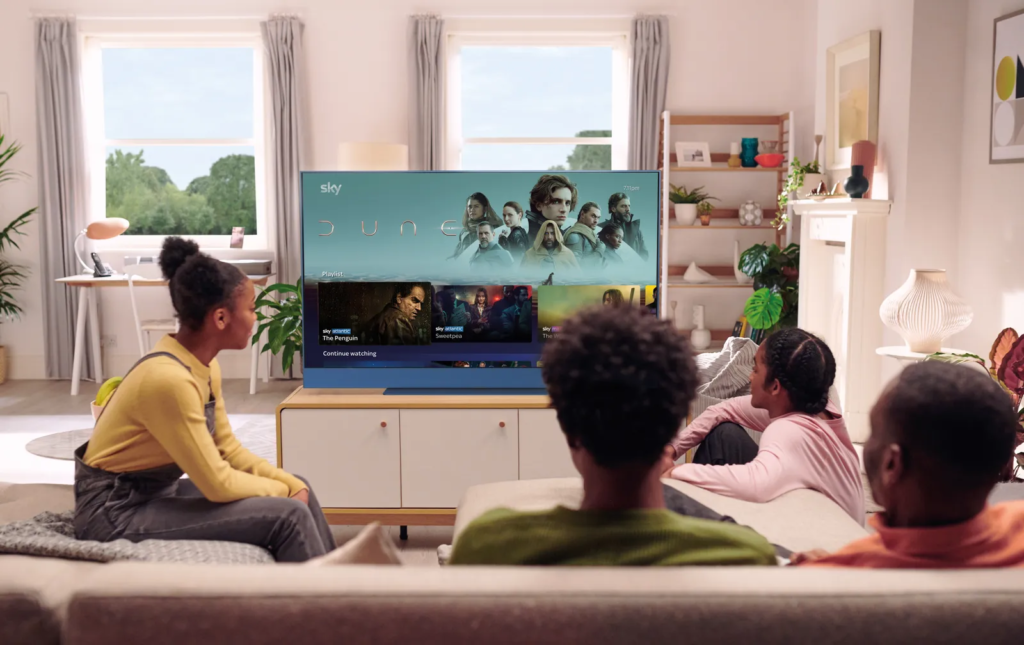
Why Streaming Platforms Create Different Kinds of Stars
Streaming services operate under fundamentally different incentives than broadcast television or theatrical film studios.
Traditional networks needed immediate ratings success. Streaming platforms prioritize long-term engagement, subscriber retention, and catalog value. As a result, they invest more patiently in talent.
This changes how fame develops:
- Performers can grow with a series over several seasons
- Characters have more time to resonate with audiences
- Actors can avoid being typecast too quickly
According to Nielsen’s 2023 streaming reports, Americans now spend more than one-third of their total TV time watching streaming content. That sustained exposure allows actors to build familiarity gradually rather than relying on a single breakout moment.
The New Career Path: Fewer Gatekeepers, More Opportunity
For decades, Hollywood fame required approval from a narrow group of decision-makers. Streaming platforms have widened that pipeline.
Actors now build credibility through:
- Independent productions acquired by streamers
- Limited series that highlight performance over star power
- International co-productions with US distribution
This has been especially impactful for performers historically underrepresented in network television. Streaming platforms actively seek diverse voices because their audiences are diverse—and measurable.
Importantly, streaming success no longer requires relocation to Los Angeles or New York at the outset. Many actors now enter the industry through regional theater, independent film, or digital-first projects before reaching national audiences.

Why OTT Fame Often Feels More “Authentic” to Viewers
American audiences increasingly value authenticity over polish. Streaming storytelling supports that preference.
Compared to traditional television, streaming series often feature:
- Longer character arcs
- More nuanced, imperfect protagonists
- Riskier themes and formats
When viewers binge a show over several weeks, they form parasocial relationships that feel more personal. That connection transfers to the actor, even when the performer maintains a relatively private public life.
A 2022 Pew Research Center study on media consumption noted that younger Americans place higher trust in long-form digital storytelling than in traditional broadcast formats. That trust extends to the people who anchor those stories.
Fame Without Constant Visibility
One of the most notable changes in modern celebrity culture is the decoupling of fame from constant publicity.
Streaming stars can maintain successful careers without:
- Daily tabloid coverage
- Heavy social media engagement
- Aggressive personal branding
Many OTT actors work consistently while avoiding overexposure. Their fame is activated when a new season releases and recedes between projects—often by design.
This model is healthier for performers and aligns with audience fatigue around celebrity oversharing.
How Data Shapes Who Becomes Famous
Streaming platforms rely heavily on data, and that data influences fame in subtle but powerful ways.
Algorithms track:
- Completion rates
- Rewatch behavior
- Audience retention by episode
- Geographic popularity
This allows platforms to identify which performances resonate, even if social media buzz is modest. An actor may not trend on Twitter, but strong engagement metrics can still lead to renewed contracts or lead roles.
Unlike box office numbers, streaming data reflects sustained viewer interest rather than opening-weekend hype.
What This Means for Advertisers and Brands
For brands targeting US consumers, the new definition of fame requires a different approach.
OTT celebrities often offer:
- Highly engaged niche audiences
- Strong genre alignment (crime, comedy, sci-fi, prestige drama)
- Credibility within specific demographics
Brands increasingly partner with streaming talent not for mass reach, but for trust and relevance. A recognizable face within a streaming ecosystem can outperform a more famous but less aligned traditional celebrity.
The Globalization of American Fame
Streaming has also blurred national boundaries.
An actor starring in a US-based streaming series may gain simultaneous recognition in Europe, Latin America, and Asia. This global exposure changes how fame scales and how careers are managed.
American celebrity is no longer purely domestic. Fame now travels instantly—and often quietly—across borders.

Common Questions Americans Ask About Streaming Fame
Is streaming fame more sustainable than traditional fame?
Often, yes. Streaming careers tend to emphasize long-term collaboration over short-term visibility.
Do streaming stars earn less than movie stars?
Compensation varies, but successful OTT leads often receive stable, multi-season earnings and backend incentives.
Why don’t I recognize many streaming actors?
Because fame is increasingly segmented by platform and genre rather than universal exposure.
Are streaming celebrities more relatable?
Audiences often perceive them that way due to deeper storytelling and fewer public appearances.
Does social media matter as much for OTT stars?
Less than before. Performance metrics often matter more than follower counts.
Can streaming actors cross over into films?
Yes, and many do—but not all choose to.
Is traditional TV still relevant for fame?
It remains influential, but it no longer defines celebrity alone.
Do algorithms decide who becomes famous?
They influence visibility, but creative success still depends on performance and storytelling.
Are streaming stars more diverse?
Streaming platforms have expanded representation across race, gender, age, and background.
Where Fame Is Quietly Headed Next
The future of fame in America looks less centralized, less performative, and more sustainable. Streaming has normalized the idea that success does not require universal recognition—only meaningful connection.
For audiences, this means better stories and more relatable stars. For performers, it means careers built on craft rather than constant exposure. And for the industry, it signals a lasting shift away from the myth that fame must look the same for everyone.
Signals Worth Paying Attention To
- Fame is increasingly platform-specific
- Engagement matters more than visibility
- Streaming rewards consistency over spectacle
- Celebrity influence is becoming more trust-based