
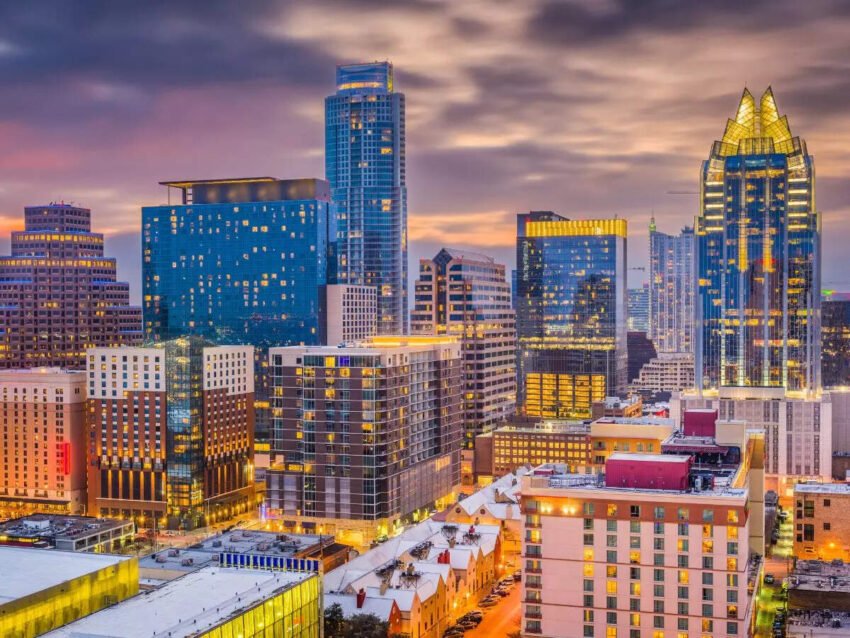
In 2026, American travelers are returning to cities that once flew under the radar or were overshadowed by coastal giants. Driven by affordability, cultural revitalization, improved infrastructure, and remote work flexibility, destinations like Detroit and Pittsburgh are seeing renewed interest. Here’s what’s fueling this shift—and how to plan a smarter visit.
Why Americans Are Rethinking Where They Travel
For much of the past decade, travel patterns in the United States were predictable: New York, Los Angeles, Orlando, Las Vegas. But by 2026, the landscape looks different. Rising costs in legacy tourist hubs, increased awareness of overtourism, and the normalization of remote work have prompted travelers to broaden their horizons.
According to data from the U.S. Travel Association, domestic leisure travel spending has remained strong post-pandemic, but travelers are distributing that spending across a wider range of cities. Shorter regional trips, “second-city” exploration, and culture-focused travel are trending upward. Instead of chasing the obvious, Americans are searching for authenticity, affordability, and depth.
Search queries like “best underrated U.S. cities to visit,” “affordable long weekend destinations,” and “cool cities with good food but fewer crowds” have increased steadily over the past two years. The result? A rediscovery of cities once dismissed as industrial, secondary, or transitional.
Below are the American cities drawing renewed attention in 2026—and why they deserve it.
Detroit: Creative Energy Meets Industrial Heritage
Once synonymous with economic decline, Detroit has steadily reshaped its identity over the past decade. In 2026, travelers are discovering a city defined by creativity, design, music history, and culinary momentum.
The downtown and Midtown areas are walkable and increasingly vibrant. Boutique hotels, art installations, and locally owned restaurants have replaced long-vacant storefronts. The city’s legacy—Motown, automotive innovation, architectural landmarks—now feels integrated rather than nostalgic.
Visitors frequently ask:
Is Detroit safe for tourists?
Yes, particularly in revitalized areas such as Downtown, Corktown, and Midtown. Like any major city, situational awareness is important, but tourism infrastructure has significantly improved.
What’s worth seeing in Detroit in 2–3 days?
- The Detroit Institute of Arts
- Eastern Market (especially on Saturdays)
- The Motown Museum
- RiverWalk views of Canada
- Corktown’s restaurant scene
What makes Detroit compelling in 2026 is balance. It offers cultural depth without overwhelming scale. Hotel rates are generally lower than comparable cultural hubs, and restaurant reservations remain accessible.
Pittsburgh: From Steel City to Tech and Culture Hub
Pittsburgh’s reinvention is no longer a secret—but many Americans still haven’t experienced it firsthand. With strong investments in robotics, healthcare, and education (led by institutions like Carnegie Mellon University), the city has quietly become one of the Northeast’s most livable urban centers.
Travelers are drawn to:
- Compact, walkable neighborhoods
- A thriving independent restaurant scene
- Affordable boutique accommodations
- Scenic riverfront trails
Search behavior shows rising interest in “Pittsburgh weekend trip ideas” and “things to do in Pittsburgh beyond sports.” While professional sports remain part of the identity, visitors are increasingly exploring Lawrenceville’s galleries, the Strip District’s food markets, and the Andy Warhol Museum.
The city’s manageable size makes it ideal for long weekends. Flights are often less expensive than to East Coast giants, and hotel rates typically sit 20–30% below cities like Boston or Washington, D.C.
Milwaukee: Lakefront Culture Without Chicago Prices
Located along Lake Michigan, Milwaukee is benefiting from travelers looking for Midwest energy without Chicago-scale costs or crowds.
Milwaukee’s resurgence is driven by three strengths:
- Food and beverage culture – Craft breweries, modern supper clubs, and a strong farm-to-table movement.
- Festivals – Summerfest remains a major draw, but smaller neighborhood festivals now attract regional visitors.
- Walkable lakefront development – Trails, beaches, and cultural institutions anchor the shoreline.
Common traveler question:
Is Milwaukee worth visiting if you’ve already been to Chicago?
Yes. Milwaukee offers a distinct identity—more intimate, less hurried, and often more affordable.
Hotel data from STR indicates that average daily rates in Milwaukee remain significantly lower than in major Midwest metros, making it appealing for budget-conscious travelers seeking cultural value.
Providence: Small City, Serious Culinary Reputation
Providence has long been a regional secret, but in 2026, it’s gaining national recognition for its culinary and arts scene.
The presence of the Rhode Island School of Design contributes to a visible creative energy. WaterFire installations, restored brick mill buildings, and chef-driven restaurants create an atmosphere that feels sophisticated yet approachable.
Travelers often ask:
Is Providence a good alternative to Boston?
For a long weekend focused on food and art, yes. It offers similar historic charm at a smaller scale, with easier parking and less congestion.
The city is particularly appealing for couples’ trips and food-focused getaways.
Cincinnati: Architecture, Riverfront Revival, and Neighborhood Identity
Cincinnati’s Over-the-Rhine district is one of the country’s most striking examples of urban restoration. Italianate architecture, restored historic buildings, and new public spaces have redefined the city’s image.
Visitors rediscovering Cincinnati cite:
- The revitalized riverfront
- A strong craft brewery presence
- A growing arts scene
- Distinct neighborhoods with personality
Search interest in “Cincinnati weekend getaway” has climbed steadily. Many travelers are surprised by the city’s European architectural feel and the density of independent restaurants within walking distance.
Albuquerque: Culture, Landscape, and Authentic Regional Identity
While Santa Fe often captures attention, Albuquerque is seeing increased interest for its authenticity and accessibility.
Travelers drawn to Albuquerque in 2026 value:
- Proximity to high desert landscapes
- Deep Native American and Hispanic cultural roots
- A strong local art scene
- Affordable lodging compared to other Southwest destinations
With direct flight access improving and hotel development expanding, Albuquerque offers a compelling blend of culture and outdoor adventure.
Buffalo: Architecture and Waterfront Renewal
Buffalo’s revival is tied closely to waterfront redevelopment and architectural preservation. Frank Lloyd Wright–designed properties and Art Deco landmarks attract design-oriented travelers.
Visitors frequently ask:
Is Buffalo just about Niagara Falls?
No. While the falls are nearby, Buffalo itself offers museums, waterfront parks, and a growing restaurant scene that warrants dedicated time.
Buffalo also benefits from relatively low lodging costs compared to other Northeast destinations.
What’s Driving This Rediscovery Trend?
Several structural shifts are influencing travel patterns:
- Remote and hybrid work flexibility allowing weekday travel
- Cost-conscious planning amid fluctuating airfare prices
- Interest in authenticity and local culture over checklist tourism
- Improved infrastructure in formerly overlooked cities
- Shorter regional flights and road trips
Google Trends data indicates sustained increases in searches for “hidden gem U.S. cities” and “affordable cultural destinations.”
Travelers are no longer asking, “What’s the most famous place?” They’re asking, “Where can I have a meaningful experience without spending $500 a night?”
How to Plan a Smart Visit in 2026
If you’re considering one of these cities, approach planning strategically:
- Travel midweek for better hotel rates
- Book boutique hotels early during festival seasons
- Explore beyond downtown cores
- Use public transit or walkable districts when possible
- Make restaurant reservations in advance in emerging food cities
Consider pairing rediscovered cities with nearby natural attractions. For example, Pittsburgh’s riverside trails, Detroit’s Great Lakes access, or Albuquerque’s Sandia Mountains add dimension to urban trips.
Frequently Asked Questions
1. Why are smaller U.S. cities trending in 2026?
Affordability, reduced crowds, improved amenities, and increased remote work flexibility are major drivers.
2. Are these cities safe for visitors?
In central neighborhoods and revitalized districts, yes. As with any city, research neighborhoods and practice normal travel awareness.
3. Are flights to these cities expensive?
Often not. Many are served by mid-size airports with competitive fares, especially for regional travelers.
4. How many days are ideal?
Most of these destinations work well for 2–4 day trips.
5. Are they good for family travel?
Yes, particularly cities like Pittsburgh, Milwaukee, and Cincinnati with museums and public parks.
6. Do these cities have strong food scenes?
Yes. Many are nationally recognized for chef-driven restaurants and craft beverage programs.
7. Are hotel prices significantly lower than major coastal cities?
In most cases, average nightly rates remain 20–40% lower than in New York, San Francisco, or Miami.
8. Is public transportation reliable?
Varies by city. Walkability is often stronger than transit networks, so plan accordingly.
9. Are these destinations crowded in peak season?
Generally less crowded than major tourism hubs, though festivals can increase traffic.
10. Are they suitable for solo travelers?
Yes. Compact layouts and strong neighborhood identities make navigation manageable.
A Broader Map of American Curiosity
The renewed attention toward cities like Detroit, Pittsburgh, and Providence reflects a deeper shift in how Americans define value in travel. Instead of gravitating toward global brand-name destinations, travelers are choosing depth over scale.
Rediscovery does not mean reinvention. Many of these cities always had strong cultural foundations; they simply lacked national attention. In 2026, infrastructure improvements, digital visibility, and shifting traveler priorities have aligned.
For travelers willing to look beyond traditional itineraries, these cities offer something increasingly rare: room to explore at your own pace.
In Brief: Why These Cities Matter Now
- Cultural revitalization is reshaping mid-sized American cities
- Hotel and dining scenes are expanding rapidly
- Costs remain comparatively reasonable
- Walkable neighborhoods enhance weekend travel
- Regional flights make access easier
- Travelers are prioritizing authenticity over scale
- Infrastructure improvements support tourism growth