
Travel influencers aren’t chasing overcrowded landmarks anymore—they’re prioritizing slow travel, micro-destinations, creative stays, and experience-first itineraries. Backed by data from Expedia, Airbnb, and Booking.com, emerging trends show Americans shifting toward immersive, low-key, and visually distinctive travel. This guide reveals the travel ideas influencers are quietly loving—and how you can plan smarter, avoid crowds, and create unforgettable trips in 2026.
For years, American travelers followed the same blueprint: book the famous city, visit the iconic attraction, take the obligatory photo, move on.
But scroll through top travel creators’ feeds in 2026 and you’ll notice something different.
They’re not standing in hour-long lines for landmarks.
They’re not squeezing 12 attractions into a weekend.
They’re not staying in generic chain hotels.
Instead, influencers are quietly reshaping how travel is done—prioritizing immersive, experience-first journeys over checklist tourism.
According to Expedia Group’s latest travel outlook, more than 45% of U.S. travelers now prefer “unique and experiential travel” over traditional sightseeing. Airbnb reports significant growth in searches for cabins, farm stays, and “off-the-grid” accommodations. Booking.com highlights that over 60% of travelers are seeking authentic local experiences.
So what are influencers doing differently?
Let’s break it down.
Why Are Influencers Planning Travel Differently in 2026?
Influencers depend on storytelling. They need trips that feel distinctive—not recycled.
But beyond content creation, their choices reflect a broader shift in American travel psychology:
- Travelers crave originality.
- Crowds reduce perceived value.
- Experiences matter more than bragging rights.
- Social media rewards uniqueness.
The traditional “top 10 attractions” itinerary feels outdated. Influencers are leaning into discovery instead of duplication.
1. Micro-Destinations Over Major Cities
What Is a Micro-Destination?
A micro-destination is a smaller town, neighborhood, or region that offers immersive experiences without the intensity of major tourism hubs.
Instead of Paris, they explore small villages in Provence.
Instead of Manhattan, they stay in Hudson Valley.
Instead of downtown Nashville, they book a countryside cabin nearby.
Why Influencers Love Micro-Destinations
- Fewer crowds
- Lower costs
- More authentic interactions
- Better storytelling visuals
Google search trends show rising queries for:
- “Hidden gems in [state]”
- “Underrated US towns”
- “Weekend trips near me that aren’t crowded”
Influencers understand that exclusivity drives engagement. But so does emotional depth—and smaller destinations deliver both.
2. Experience-First Itineraries (Not Attraction-First)
Traditional travel planning starts with landmarks.
Influencer travel starts with experiences.
Instead of:
“What should we see?”
They ask:
“How do we want to feel?”
For example:
A content creator planning a trip to Arizona may skip crowded viewpoints and instead book:
- A guided sunrise desert hike
- A private stargazing session
- A local culinary workshop
The result? Deeper storytelling and less logistical stress.
Experience-first travel allows flexibility while maximizing emotional resonance.
3. Unique Stays as the Centerpiece
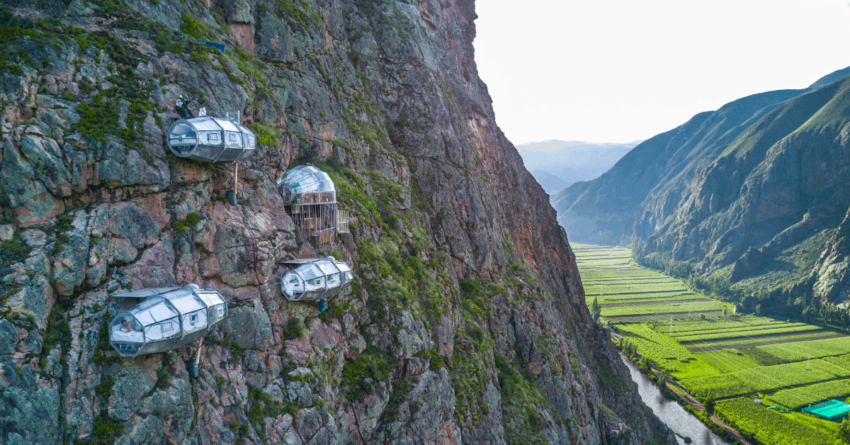
Influencers are increasingly booking accommodations that are the attraction:
- Treehouses suspended in forests
- Architectural desert domes
- Converted historic buildings
- Eco-lodges with sustainability missions
- Glass cabins designed for stargazing
Airbnb reports increased interest in unconventional property categories year over year. Unique stays generate built-in content and eliminate the need to “chase” attractions daily.
From a practical standpoint, these properties also:
- Reduce daily transportation needs
- Provide built-in ambiance
- Offer curated on-site activities
The stay itself becomes the vacation.
4. Slow Travel Instead of Jam-Packed Schedules
Slow travel isn’t new—but influencers are redefining it.
Instead of three cities in five days, they:
- Stay longer in one place
- Develop routines
- Explore neighborhoods deeply
- Build relationships with locals
This approach aligns with Booking.com’s finding that travelers increasingly value “meaningful connection” over quantity of sights.
Real-life example:
A Los Angeles-based travel creator recently spent two weeks in a small coastal town in Maine—without visiting a single “top 10” attraction. Instead, she:
- Worked remotely from a local café
- Took daily harbor walks
- Documented local fishing culture
Her content performed better than previous high-profile trips.
Why? It felt authentic.
5. Off-Season Travel for Better Value and Experience
Influencers rarely post from peak summer chaos anymore.
They’re traveling:
- Europe in late October
- National parks in shoulder season
- Tropical destinations during quieter months
Benefits include:
- Lower hotel rates
- Fewer tourists in photos
- Easier restaurant reservations
- More personalized service
According to travel industry data, shoulder season bookings are increasing among millennial and Gen Z travelers.
This strategy balances cost savings with higher quality experiences.
6. Local-Led Experiences Over Corporate Tours
Influencers increasingly book:
- Small-group cooking classes
- Community-led walking tours
- Farm visits
- Artisan workshops
Instead of large tour buses, they choose hyper-local guides.
This creates:
- Better storytelling angles
- Stronger cultural connection
- More exclusive content
And it aligns with consumer desire for ethical and sustainable tourism.
7. Wellness and Reset-Focused Travel
Burnout culture has reshaped travel goals.
Influencers are prioritizing:
- Wellness retreats
- Digital detox cabins
- Silent meditation escapes
- Nature immersion trips
Skift Research highlights wellness tourism as one of the fastest-growing travel segments globally.
It’s not about escape—it’s about restoration.
8. Flexible Planning Instead of Rigid Schedules
Influencers often:
- Book refundable accommodations
- Leave blank days in itineraries
- Make same-day decisions
- Follow local recommendations
Rigid planning limits discovery.
Flexible planning allows serendipity—and often leads to better content and richer experiences.
Key Takeaways
- Influencers prioritize experience over landmarks.
- Micro-destinations provide authenticity and value.
- Unique stays serve as the centerpiece of trips.
- Slow travel enhances emotional impact.
- Off-season travel improves cost efficiency and quality.
- Local-led activities create deeper connections.
- Flexibility beats over-scheduling.
Frequently Asked Questions (FAQ)
1. Why are influencers avoiding major tourist attractions?
Crowds reduce content uniqueness and emotional experience. Influencers seek original storytelling opportunities.
2. Are micro-destinations cheaper than big cities?
Often yes. Smaller towns generally offer lower accommodation and dining costs.
3. Is slow travel more expensive?
Not necessarily. Longer stays can unlock discounted rates and reduce transportation costs.
4. What is experience-first travel?
Planning around activities and emotional goals instead of landmarks.
5. Are unique stays worth the higher price?
If they replace daily attractions and transport expenses, they often deliver greater overall value.
6. How do influencers find hidden spots?
Through local recommendations, smaller platforms, and extended stays.
7. Is off-season travel risky?
Weather can vary, but flexibility and research mitigate risks.
8. Are wellness trips just for luxury travelers?
No. Budget-friendly retreats and cabin stays are widely available.
9. How far in advance should I book unique stays?
Three to six months in advance for popular properties.
10. Will this trend last beyond 2026?
Industry indicators suggest experience-driven travel is a long-term shift.
Final Thoughts
Stop planning like everyone else.
The future of travel isn’t louder—it’s smarter.
Influencers aren’t chasing viral landmarks. They’re building layered, meaningful stories around immersive experiences.
And increasingly, everyday Americans are following their lead.
Travel in 2026 isn’t about seeing more.
It’s about feeling more.