
Smart DIY improvements focus on reducing friction in daily routines rather than pursuing large-scale renovations. Thoughtful upgrades—such as layered lighting, organized storage systems, water-efficient fixtures, and air-quality enhancements—can save time, reduce energy use, and improve comfort. Backed by credible data and practical examples, these manageable projects help American homeowners create homes that function more efficiently every day.
Modern homeowners aren’t necessarily looking for dramatic remodels. Increasingly, they want their homes to feel easier to live in—more intuitive, less cluttered, more efficient. The most impactful DIY upgrades are often the least flashy. They remove small inconveniences that accumulate across weeks and years.
According to the U.S. Energy Information Administration (EIA), the average American household spends roughly half of its total energy use on heating and cooling. Meanwhile, the Environmental Protection Agency (EPA) notes that water-efficient fixtures can save thousands of gallons per household annually. These data points underscore an important reality: targeted improvements can create measurable benefits.
Below are practical, experience-driven DIY projects that prioritize usability, safety, and long-term efficiency.
1. Layered Lighting for Function and Comfort
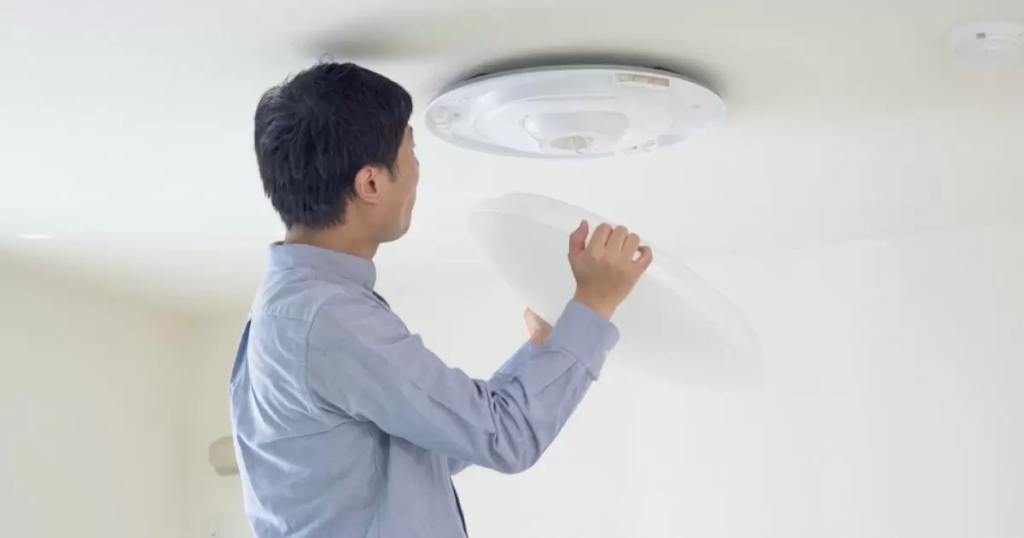
Lighting is one of the most overlooked contributors to daily ease. Many homes rely on a single overhead fixture, creating shadows and glare that strain eyes and reduce productivity.
A layered lighting strategy includes:
- Ambient lighting (ceiling fixtures or recessed lighting)
- Task lighting (under-cabinet strips, reading lamps)
- Accent lighting (wall sconces or toe-kick LED strips)
The U.S. Department of Energy reports that LED bulbs use at least 75% less energy and last up to 25 times longer than incandescent lighting. Installing plug-in LED under-cabinet strips in a kitchen typically costs $40–$150 and can be completed in under an hour.
Homeowners who upgrade lighting often report immediate improvements in cooking efficiency, reduced eye strain during remote work, and improved overall mood in darker months.
2. Entryway Systems That Eliminate Daily Clutter
Shoes, bags, mail, and keys accumulate near the front door because most homes lack intentional drop zones. The solution isn’t more square footage—it’s defined structure.
Effective entryway upgrades include:
- Wall-mounted hooks for coats and backpacks
- A slim console with drawer storage
- Labeled bins for seasonal items
- A dedicated mail organizer
Professional organizing studies suggest that clearly defined storage reduces “decision fatigue” and improves time efficiency during morning routines. A compact entry solution can typically be assembled for $150–$400.
Families who implement a drop zone often notice smoother weekday mornings and fewer misplaced essentials.
3. Water-Efficient Fixtures That Improve Performance
Replacing outdated faucets and showerheads is one of the most straightforward DIY improvements with measurable results.
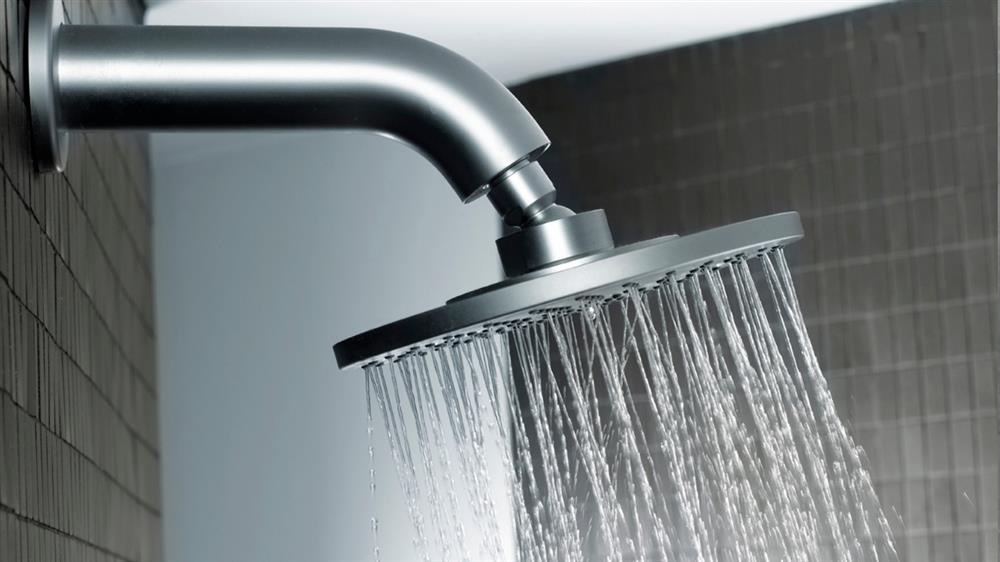
EPA WaterSense-certified showerheads use no more than 2.0 gallons per minute. The EPA estimates that an average family can save approximately 2,700 gallons of water per year by switching to efficient models.
Installation generally requires:
- Adjustable wrench
- Plumber’s tape
- 15–20 minutes
In addition to lowering utility bills, modern fixtures frequently provide better spray patterns and pressure consistency than older designs.
4. Cabinet and Drawer Optimization
Kitchen frustration often stems from poor storage configuration rather than insufficient space.
Strategic upgrades include:
- Pull-out shelving
- Vertical tray dividers
- Drawer organizers
- Lazy Susans for corner cabinets
The National Association of Home Builders consistently ranks kitchen organization features among the most desired upgrades. Pull-out shelf kits typically range from $60–$250 per cabinet.
In practice, reorganized kitchens reduce repetitive bending and searching, saving several minutes per meal preparation.
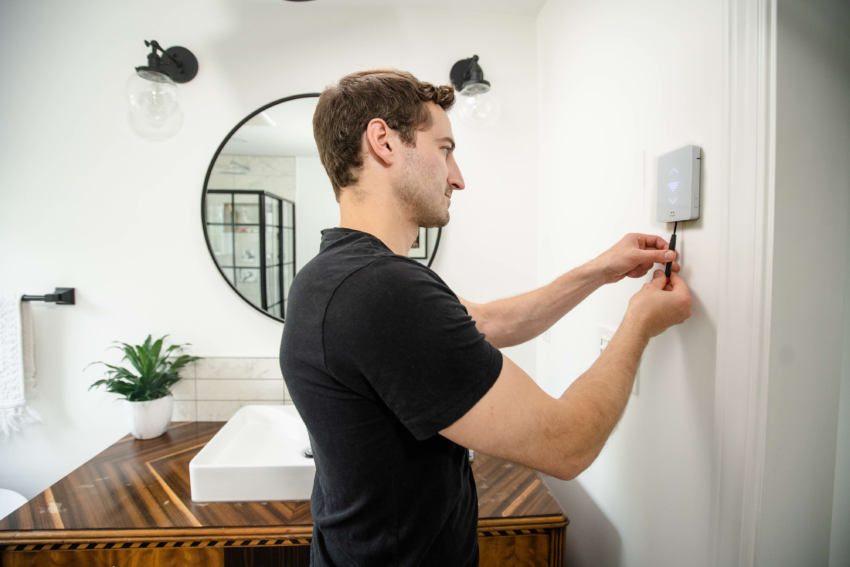
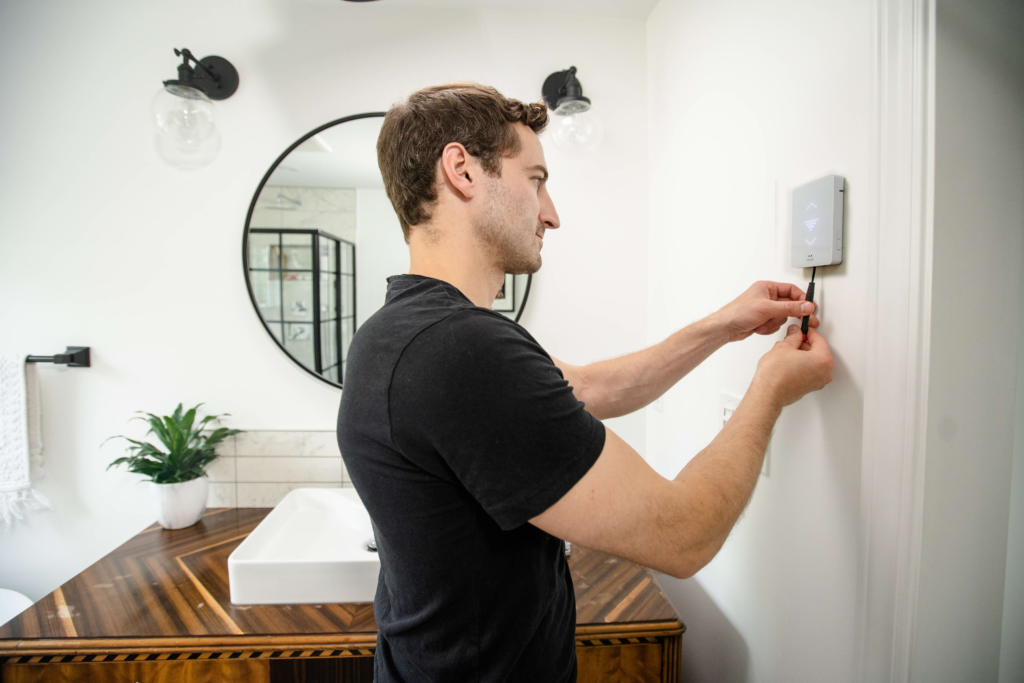
5. Smart Thermostats for Automated Comfort
Heating and cooling account for roughly 48–50% of residential energy consumption in the United States, according to the EIA.
Smart thermostats offer:
- Automated scheduling
- Remote temperature control
- Usage insights
- Geofencing adjustments
The U.S. Department of Energy estimates that properly programmed thermostats can reduce heating and cooling costs by up to 10% annually.
Installation generally takes under one hour for compatible systems, with devices costing between $100–$250. The result is not only energy savings but also consistent comfort without manual adjustments.
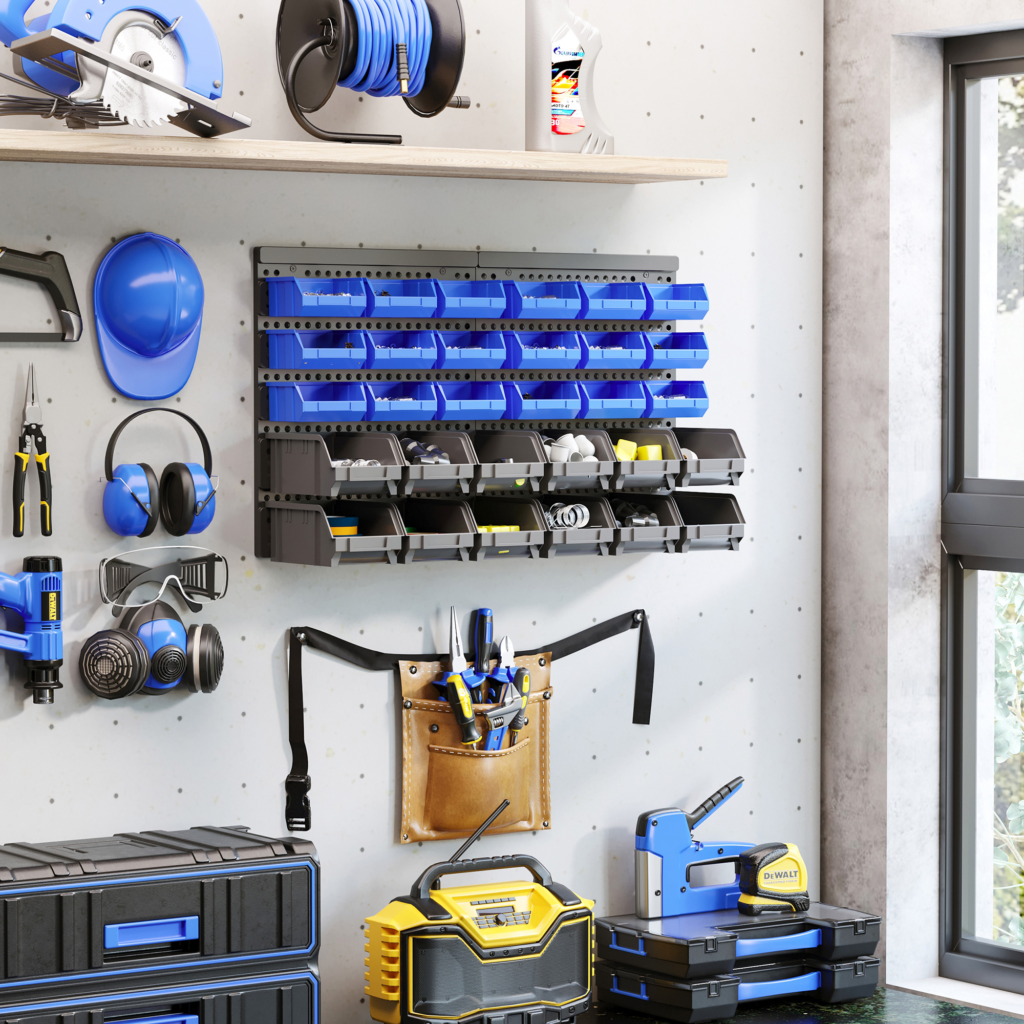
6. Garage and Utility Room Vertical Storage
The average two-car garage often contains hundreds of stored items, yet much of the wall space remains unused.
Installing:
- Track-mounted wall systems
- Pegboards
- Overhead ceiling racks
- Clear labeled bins
can increase usable floor space by an estimated 20–30%.
Beyond convenience, reducing floor clutter improves safety and accessibility.
7. Soft-Close Hardware for Noise Reduction
Cabinet slamming is more than an annoyance—it contributes to wear and tear.
Soft-close hinge kits cost between $5–$15 per door and install with basic tools. Drawer dampers are similarly affordable.
Benefits include:
- Reduced noise pollution
- Extended cabinet lifespan
- Improved safety for children
Though subtle, this upgrade enhances perceived home quality and everyday comfort.
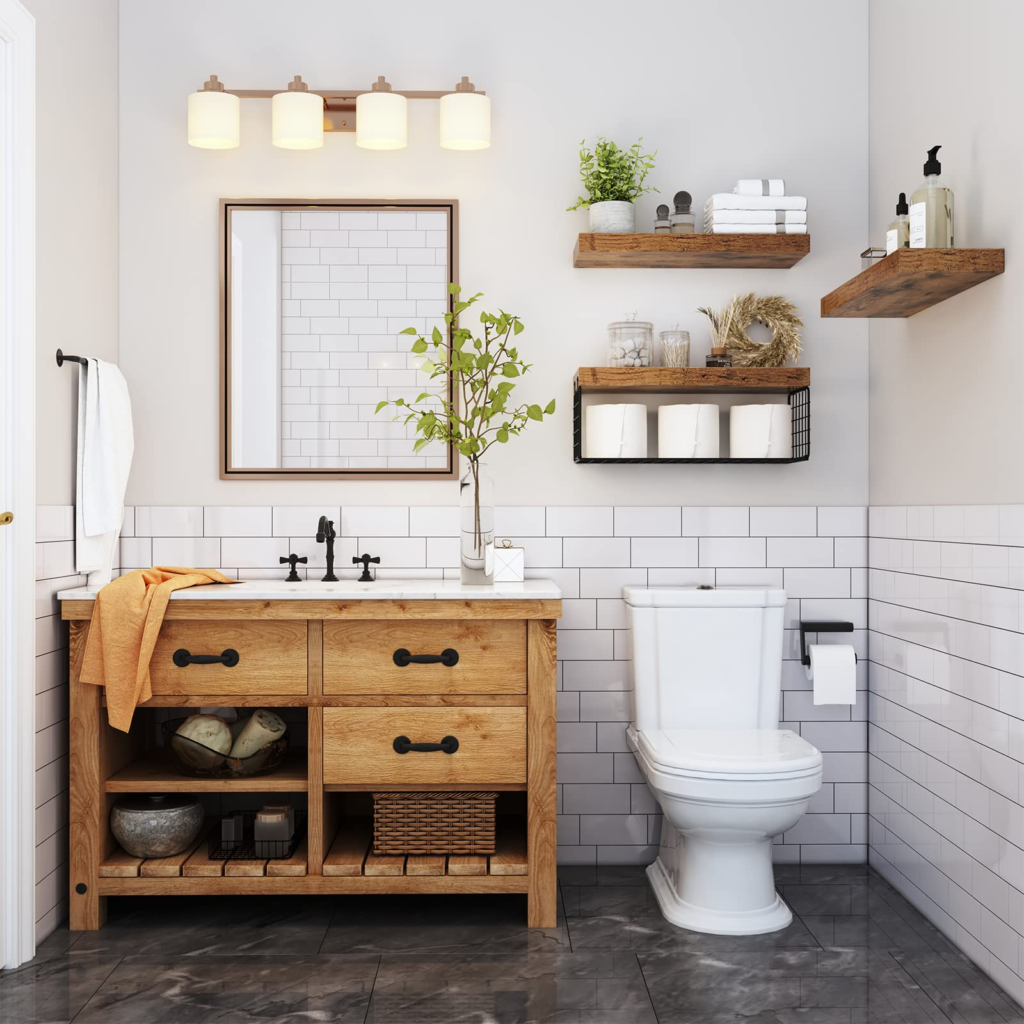
8. Bathroom Efficiency Improvements
Bathrooms are high-traffic spaces where small enhancements have outsized effects.
Practical upgrades include:
- Curved shower rods for added elbow room
- Floating shelves for vertical storage
- Multi-hook towel racks
- Anti-fog mirror film
- Exhaust fan timer switches
Humidity control is especially important. The EPA emphasizes proper ventilation to prevent mold growth and maintain indoor air quality.
Most bathroom upgrades cost under $300 and can be completed in a single weekend.
9. Dedicated Charging Stations
With multiple smartphones, tablets, and laptops in most households, cable clutter is common.
A DIY charging station may include:
- A drawer retrofit with internal power strip
- Cable management boxes
- Wall-mounted charging shelves
These solutions cost $40–$200 and reduce countertop clutter while protecting cords from damage.
10. Indoor Air Quality Improvements
Americans spend about 90% of their time indoors, according to the EPA. Indoor pollutant levels can sometimes exceed outdoor levels.
Practical DIY steps include:
- Replacing HVAC filters every 60–90 days
- Installing higher MERV-rated filters (if compatible)
- Sealing window drafts with weather stripping
- Installing bathroom fan timers
These modest investments improve comfort and reduce dust accumulation, particularly in allergy-prone households.
Frequently Asked Questions
1. What DIY upgrades provide the fastest noticeable improvement?
Lighting upgrades and entryway organization systems typically deliver immediate daily impact.
2. Which projects save the most money long term?
Smart thermostats and water-efficient fixtures offer measurable utility savings.
3. Are smart thermostats difficult to install?
Most include guided app-based instructions and labeled wiring systems for straightforward installation.
4. How much should homeowners budget for practical DIY improvements?
Many high-impact projects fall between $50 and $500.
5. Do small upgrades increase resale appeal?
Functional improvements enhance buyer perception and can support stronger resale positioning.
6. How often should HVAC filters be replaced?
Generally every 60–90 days, depending on household conditions.
7. What is the most overlooked improvement?
Lighting quality and placement significantly affect comfort and productivity.
8. Can DIY water fixtures maintain good pressure?
Yes. Modern WaterSense fixtures are designed to balance efficiency with performance.
9. What helps reduce everyday home noise?
Soft-close hardware and weather sealing reduce repetitive noise sources.
10. How can small bathrooms feel more functional?
Maximizing vertical storage and upgrading fixtures improves usability without remodeling.
Designing for Daily Ease: A Sustainable Approach to DIY
The most effective DIY improvements share a common principle: they reduce friction. They save minutes, prevent clutter, improve comfort, and lower resource consumption. Rather than pursuing aesthetic trends, thoughtful homeowners focus on usability.
By evaluating daily routines—morning preparation, meal cooking, device charging, temperature management—homeowners can identify small inefficiencies and address them strategically. Over time, these adjustments compound into meaningful improvements in comfort, efficiency, and peace of mind.
At-a-Glance Home Efficiency Checklist
- Upgrade to LED and layered lighting
- Install a structured entryway drop zone
- Replace outdated showerheads and faucets
- Add pull-out cabinet organizers
- Install a programmable or smart thermostat
- Maximize vertical garage storage
- Upgrade to soft-close cabinet hardware
- Improve bathroom ventilation
- Create a centralized charging station
- Replace HVAC filters regularly