
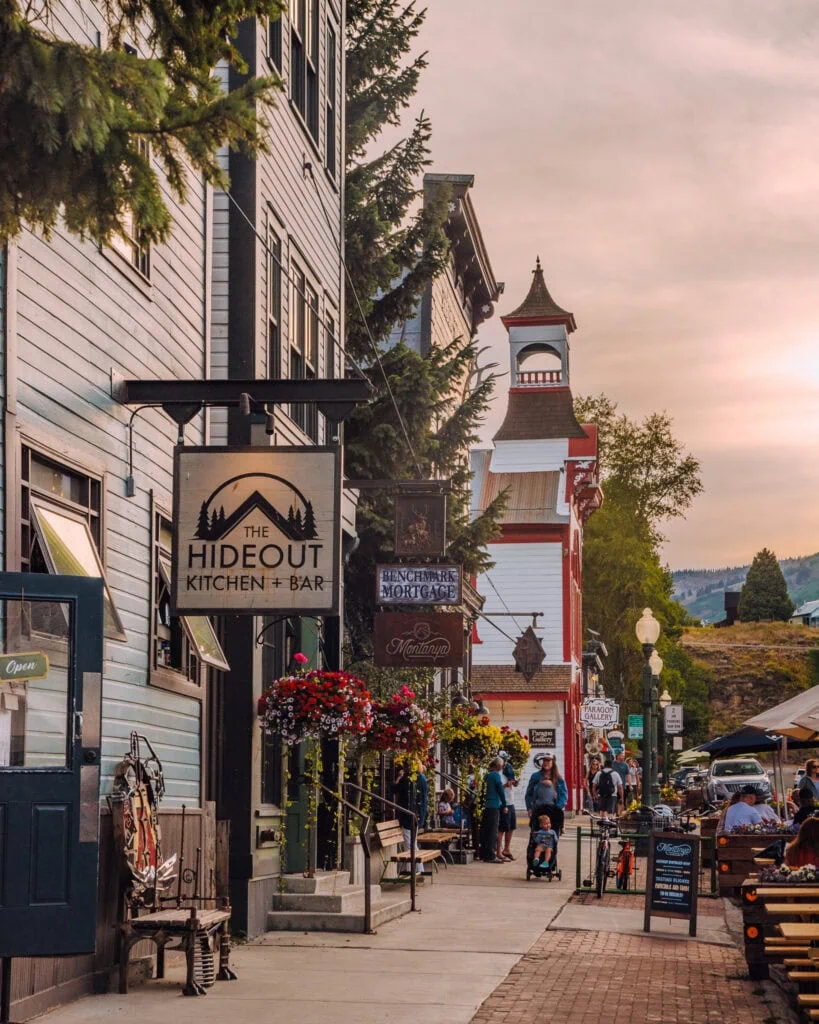
Small-town America is experiencing renewed travel interest as visitors seek slower pacing, authentic culture, outdoor access, and affordability. From mountain communities to coastal villages, travelers are prioritizing meaningful local experiences over crowded urban centers. Shifting work flexibility, rising urban costs, and interest in regional heritage are reshaping travel patterns across the United States.
Why Travelers Are Looking Beyond Major Cities
For decades, American travel itineraries centered on marquee cities—New York, Los Angeles, Chicago, Miami. Today, demand patterns are shifting. According to data from the U.S. Travel Association, domestic leisure travel continues to dominate overall U.S. tourism, but traveler preferences increasingly favor outdoor destinations and smaller communities.
Several factors are driving this movement:
- Flexible work arrangements allowing midweek travel
- Desire for less crowded environments
- Rising costs in major metro areas
- Greater appreciation for regional culture and food
- Social media exposure to lesser-known destinations
The appeal isn’t novelty for its own sake. It’s the promise of depth—conversations with shop owners, scenic main streets, and access to nature without peak-season congestion.
What Defines a “Travel-Worthy” Small Town?
Travelers searching phrases like “best small towns to visit in the U.S.” or “hidden gem towns in America” are typically looking for four qualities:
- Walkable historic districts
- Access to outdoor recreation
- Strong local food identity
- Cultural or architectural character
Importantly, these towns are not remote ghost towns. They are active communities that balance tourism with livability.
Mountain Town Momentum: Where Nature Meets Community
Western mountain towns have seen steady growth in visitor interest. Communities like Whitefish, near Glacier National Park, combine alpine scenery with a compact downtown, local breweries, and outdoor outfitters.
Similarly, Telluride offers Victorian architecture, summer festivals, and hiking access. While no longer “undiscovered,” these towns provide an alternative to Denver or Salt Lake City for travelers prioritizing atmosphere over urban scale.
What draws visitors isn’t just the mountains—it’s the integration of recreation with local identity. Farmers markets, art walks, and independent bookstores reinforce that these towns are lived-in places, not resort-only enclaves.
Coastal Villages Offering Slower Pacing
Coastal small towns are also experiencing increased visibility. Beaufort, with its historic homes and waterfront parks, offers Southern architecture without the intensity of larger coastal cities.
In the Northeast, Mystic blends maritime history with accessible dining and harbor views. Travelers looking for a New England experience often find smaller towns more approachable than Boston during peak summer.
Along the Pacific, Cannon Beach attracts visitors seeking rugged coastline without major city infrastructure.
Shoulder seasons—May, September, October—are particularly favorable for these towns.
Southwest Desert Communities with Cultural Depth
Desert towns offer a different kind of small-town experience. Sedona draws visitors for its red rock formations and art scene, while Taos integrates Native American, Spanish, and Anglo heritage.
Travelers increasingly prioritize destinations that offer:
- Local galleries and craft traditions
- Distinct regional cuisine
- Proximity to public lands
- Architectural uniqueness
The Southwest’s wide-open landscapes appeal to those seeking space—both literal and psychological.
Midwest Revival: Historic Main Streets and Food Culture
Small Midwestern towns are also gaining travel recognition. Galena features preserved 19th-century buildings and proximity to outdoor recreation along the Mississippi River.
In Michigan, Traverse City has built a culinary reputation around cherries, wine, and Great Lakes shoreline access.
These destinations appeal to road-trippers looking for manageable driving distances and accessible lodging prices compared to major coastal metros.
Why Visitors Say Small Towns Feel Different
Search behavior shows rising interest in terms like “authentic travel experiences USA” and “less crowded vacation towns.” What travelers often describe includes:
- More personal service in restaurants and inns
- Easier parking and mobility
- Slower daily rhythm
- Direct interaction with local artisans
In smaller communities, visitors often engage with business owners directly, which shapes perception and satisfaction.
The Role of Remote Work and Extended Stays
Remote work flexibility has allowed travelers to extend short trips into multi-day stays. A Thursday-to-Monday stay in a small town can reduce lodging rates and allow exploration beyond tourist corridors.
Many towns now offer reliable broadband infrastructure, coworking spaces, and rental cabins designed for longer visits.
Communities such as Bend have benefited from hybrid travelers blending work and leisure.
Are Small Towns More Affordable?
Cost varies, but small-town travel often reduces:
- Parking fees
- Attraction entry costs
- Dining prices
- Lodging taxes (depending on region)
However, high-demand towns near national parks can command premium rates during peak months. Timing remains essential.
How to Choose the Right Small Town for Your Trip
Experienced travelers evaluate:
- Proximity to natural attractions
- Seasonality (ski season vs. foliage season)
- Availability of healthcare facilities
- Transportation access (regional airports vs. long drives)
- Community events calendar
Researching local tourism websites and chamber of commerce pages provides updated information on festivals and seasonal closures.
Frequently Asked Questions
1. Why are small towns becoming more popular travel destinations?
Travelers seek authenticity, affordability, and reduced crowds.
2. Are small towns good for family vacations?
Yes, especially those with outdoor recreation and walkable centers.
3. When is the best time to visit?
Shoulder seasons often offer the best balance of weather and availability.
4. Are accommodations limited?
Inventory may be smaller, so booking early is advisable.
5. Is public transportation available?
Many small towns require rental cars.
6. Are small towns safe for solo travelers?
Most have lower crime rates than major cities, though standard precautions apply.
7. Do restaurants close early?
Operating hours may be shorter than in major cities.
8. Can you find luxury lodging in small towns?
Yes, boutique inns and renovated historic hotels are increasingly common.
9. Are these destinations accessible year-round?
Some towns depend heavily on seasonal tourism.
10. How can visitors support local communities?
Shop locally owned businesses and respect community guidelines.
Responsible Travel in Smaller Communities
Increased visitation can strain local infrastructure. Travelers should:
- Respect residential neighborhoods
- Follow parking regulations
- Observe environmental guidelines
- Support locally owned businesses
Responsible visitation ensures tourism benefits residents rather than overwhelming them.
Where Momentum Is Building
Across regions—mountain West, New England coastlines, Midwest river towns, Southwest art communities—small-town travel reflects broader priorities: space, character, and human connection.
Rather than chasing trend cycles, many travelers are simply recalibrating what makes a trip meaningful.
A Shift Toward Place-Based Travel
Small-town tourism highlights a broader cultural shift. Instead of collecting city landmarks, visitors increasingly seek environments that feel grounded and personal.
In towns where storefronts are independently owned and landscapes are integral to identity, travel becomes participatory rather than observational.
The moment small-town America is experiencing isn’t accidental—it aligns with evolving traveler values.
Why Smaller Destinations May Shape the Future of U.S. Travel
As costs rise in major metros and crowd fatigue intensifies, smaller towns offer a viable alternative. They provide:
- Scaled-down infrastructure
- Regional storytelling
- Outdoor access
- Culinary individuality
For travelers willing to look beyond traditional top-10 lists, the reward is depth over density.
The Case for Going Smaller on Your Next Trip
Choosing a small town doesn’t mean sacrificing quality. It often means gaining context, character, and breathing room.
When itineraries emphasize local engagement over landmark checklists, travel shifts from spectacle to substance.
Planning Notes for Meaningful Small-Town Visits
- Travel in shoulder seasons when possible
- Confirm restaurant and attraction hours
- Book lodging early during festivals
- Rent a car for flexibility
- Research local customs and history
- Support independent businesses
- Check regional weather patterns
- Avoid overpacking tight schedules
- Explore surrounding countryside
- Respect community pace