
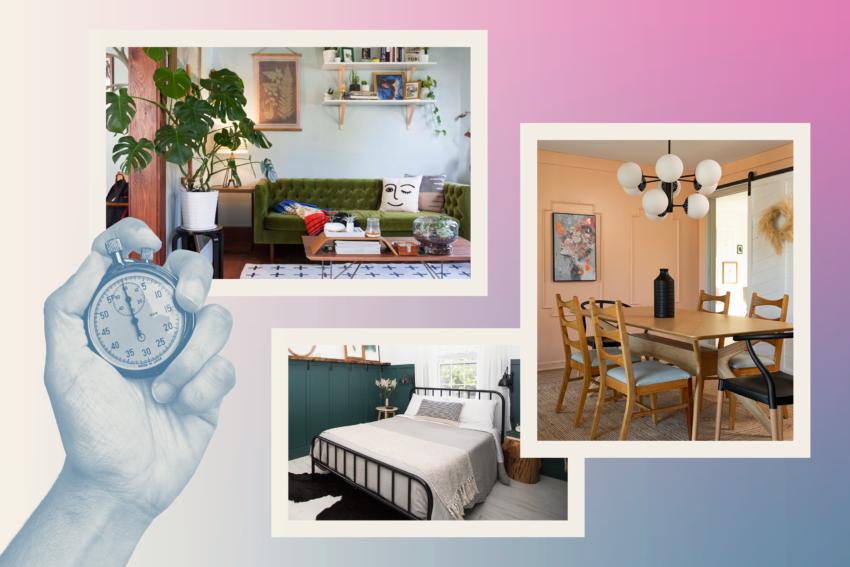
You don’t need a major renovation to improve how your home works. Small, strategic DIY upgrades—like better lighting, smarter storage, improved airflow, and targeted insulation—can dramatically enhance comfort, efficiency, and daily usability. This guide explores practical, research-backed improvements that deliver meaningful functional gains without major construction or excessive cost.
Why Function Matters More Than Square Footage
Many homeowners search for ways to “make their home feel bigger” or “improve daily living without remodeling.” In reality, functionality—not size—is what determines whether a home feels comfortable and efficient.
According to the National Association of Realtors, buyers consistently prioritize homes that feel well-organized, energy-efficient, and easy to maintain. Similarly, data from the U.S. Census Bureau shows that most American homes were built decades ago, often before modern lifestyle needs—home offices, device charging, storage demands—became standard.
The good news: small DIY adjustments can dramatically improve the way a home functions, often without altering its structure.
Below are targeted, practical changes that improve daily usability in measurable ways.
1. Seal Drafts to Improve Comfort and Reduce Energy Waste
If certain rooms feel colder in winter or warmer in summer, the issue may not be your HVAC system. The U.S. Department of Energy estimates that air leaks can significantly increase heating and cooling costs.
Simple DIY upgrades include:
- Replacing worn weatherstripping
- Caulking gaps around window trim
- Sealing baseboard cracks
- Installing door sweeps
These low-cost fixes can noticeably stabilize indoor temperatures. Homeowners often report immediate comfort improvements without touching their thermostat.
2. Upgrade Lighting to Match How Rooms Are Actually Used
Lighting is one of the most overlooked functional elements in American homes. Many houses still rely on a single overhead fixture per room, which creates shadows and limits usability.
Improving lighting functionality means layering it:
- Task lighting for kitchens and desks
- Ambient lighting for living areas
- Accent lighting for hallways and stairs
LED bulbs, as noted by the U.S. Department of Energy, use significantly less energy while providing better brightness control. Replacing outdated fixtures and adding under-cabinet lights can transform how spaces operate day to day.
3. Install Smart Thermostats for Better Climate Control
Temperature inconsistency is a common frustration. Smart thermostats from companies like Google Nest and ecobee allow homeowners to program heating and cooling based on occupancy.
Functional improvements include:
- Reduced energy waste
- Remote control via smartphone
- Customized temperature zones
Instead of manually adjusting settings, your home adapts to your schedule.
4. Add Functional Storage Where Clutter Forms
Many homeowners assume they need more square footage when they really need better storage systems.
Practical DIY storage upgrades include:
- Adjustable closet shelving
- Garage wall-mounted racks
- Entryway hooks and cubbies
- Pull-out pantry organizers
According to the National Association of Home Builders, storage remains one of the most requested features in new construction homes. Adding structured storage improves daily routines and reduces visual stress.
5. Improve Kitchen Workflow with Small Adjustments
Kitchens function best when movement is intuitive. Without changing layout, small changes can improve efficiency.
Examples include:
- Installing drawer organizers
- Adding pull-out trash bins
- Mounting magnetic knife strips
- Replacing inefficient faucets
These adjustments streamline cooking and cleaning tasks. Functionally organized kitchens feel larger, even if dimensions stay the same.
6. Enhance Bathroom Usability
Bathrooms are often cramped and under-lit. Small upgrades can significantly improve usability.
DIY improvements:
- Brighter vanity lighting
- Additional shelving above toilets
- Upgraded showerheads
- Replacing outdated exhaust fans
The Environmental Protection Agency notes that water-efficient fixtures can reduce household water usage while maintaining performance.
Better lighting and airflow make bathrooms more practical and comfortable.
7. Upgrade Electrical Access for Modern Living
Many older homes lack adequate outlets for today’s device-heavy lifestyles.
Functional DIY improvements may include:
- Installing USB wall outlets
- Adding surge-protected power strips in discreet locations
- Mounting cable management systems
While adding new circuits requires professionals, replacing outlet covers or upgrading to USB-capable outlets is often manageable for experienced DIYers.
8. Improve Indoor Air Quality
Indoor air quality directly affects comfort and health. According to the Environmental Protection Agency, indoor air can be more polluted than outdoor air.
DIY-friendly upgrades:
- Replacing HVAC filters regularly
- Installing higher-quality air filters
- Cleaning vents and returns
- Adding portable air purifiers
Improved airflow reduces allergens and enhances overall comfort.
9. Reorganize Entryways for Efficiency
Entryways often become clutter hotspots. Adding simple systems improves daily routines.
Effective additions include:
- Wall-mounted mail organizers
- Shoe racks
- Bench seating with storage
- Key hooks
A structured entry reduces morning friction and keeps high-traffic areas tidy.
10. Add Attic Insulation for Long-Term Efficiency
If your attic insulation appears thin or uneven, adding blown-in insulation can improve performance.
The U.S. Department of Energy highlights insulation as one of the most cost-effective ways to improve home energy efficiency.
Unlike cosmetic upgrades, insulation improves performance quietly and consistently.
Frequently Asked Questions
1. What small DIY project has the biggest impact?
Sealing air leaks and improving lighting often deliver the most immediate functional improvements.
2. Are smart thermostats worth it?
Yes. They improve comfort and reduce energy waste when programmed properly.
3. Does adding storage increase home value?
While not always directly increasing appraisal value, it improves buyer appeal and usability.
4. How do I know if insulation needs upgrading?
If rooms feel uneven in temperature or energy bills are high, insulation may be insufficient.
5. Is upgrading lighting expensive?
Not necessarily. Fixture swaps and LED upgrades are often affordable and impactful.
6. Can small changes really improve daily living?
Yes. Functional friction—like clutter and poor lighting—adds up over time.
7. What’s the most overlooked home function?
Air sealing and airflow management are frequently ignored.
8. Should I focus on aesthetics or function first?
Function typically provides more long-term value and comfort.
9. Are these projects safe for beginners?
Many are, but electrical or structural modifications require caution and knowledge.
Designing a Home That Works for You
Homes function best when they align with daily routines. Instead of chasing large-scale renovations, homeowners often benefit more from refining lighting, airflow, storage, and layout efficiency.
Small changes compound. Better lighting improves productivity. Improved insulation stabilizes comfort. Organized storage reduces stress. These adjustments may not be dramatic—but they are transformative in practical ways.
Where Small Adjustments Deliver the Biggest Gains
- Seal drafts before replacing HVAC systems
- Layer lighting instead of relying on one fixture
- Improve storage where clutter naturally forms
- Upgrade insulation to stabilize temperature
- Add smarter climate controls