
Summary
Energy efficiency isn’t about dramatic lifestyle overhauls. For most Americans, it’s the result of small, practical choices that quietly reduce costs, improve comfort, and support long-term resilience. This article explains how energy efficiency fits into daily life—room by room, habit by habit—and how modest adjustments can produce measurable results over time.
Introduction: Energy Efficiency as a Daily Practice
Energy efficiency has moved beyond policy debates and technical jargon into something far more personal: everyday living. In homes across the U.S., efficiency now shows up in how people heat their houses, choose appliances, manage lighting, and even plan daily routines. These changes are rarely dramatic. They’re incremental, often inexpensive, and built into existing habits.
What makes energy efficiency compelling is not just environmental benefit—though that matters—but its practical payoff. Lower utility bills, more comfortable homes, fewer maintenance issues, and greater predictability in household expenses all resonate with American households navigating rising energy costs and changing work patterns. According to the U.S. Energy Information Administration, residential energy use accounts for roughly 20% of total U.S. energy consumption, meaning small household changes can scale into significant national impact.
Why “Small Changes” Matter More Than Big Renovations
Large-scale upgrades—solar panels, whole-home retrofits, or HVAC replacements—get attention, but most efficiency gains come from cumulative, smaller decisions. These are easier to adopt, less disruptive, and more financially accessible.
Many households underestimate how much energy is lost through everyday inefficiencies: lights left on, outdated thermostats, poor insulation, or appliances running at suboptimal settings. The U.S. Department of Energy notes that simple behavioral and equipment upgrades can reduce household energy use by 10–30% without sacrificing comfort.
These changes matter because they fit into real life. People are far more likely to adjust habits or swap a lightbulb than commit to major construction. Over time, these modest steps compound.
Energy Efficiency Room by Room
Living Areas
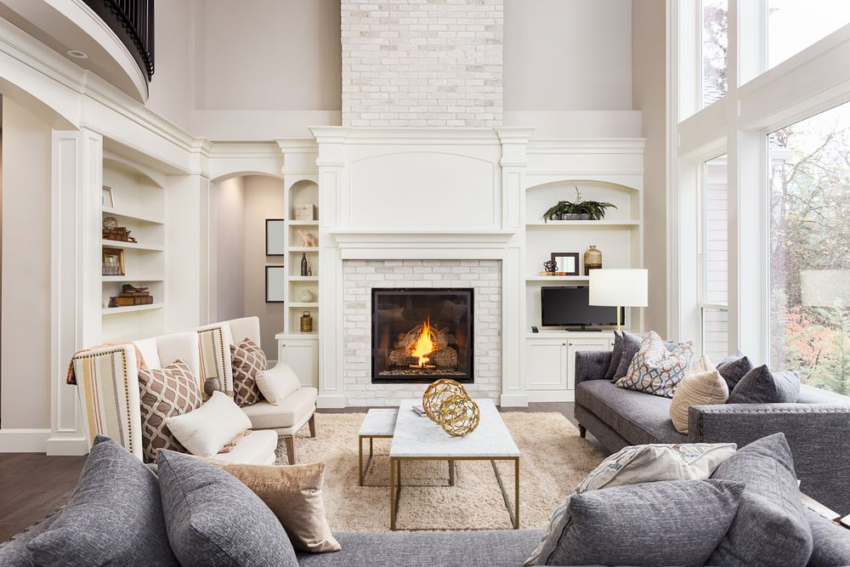
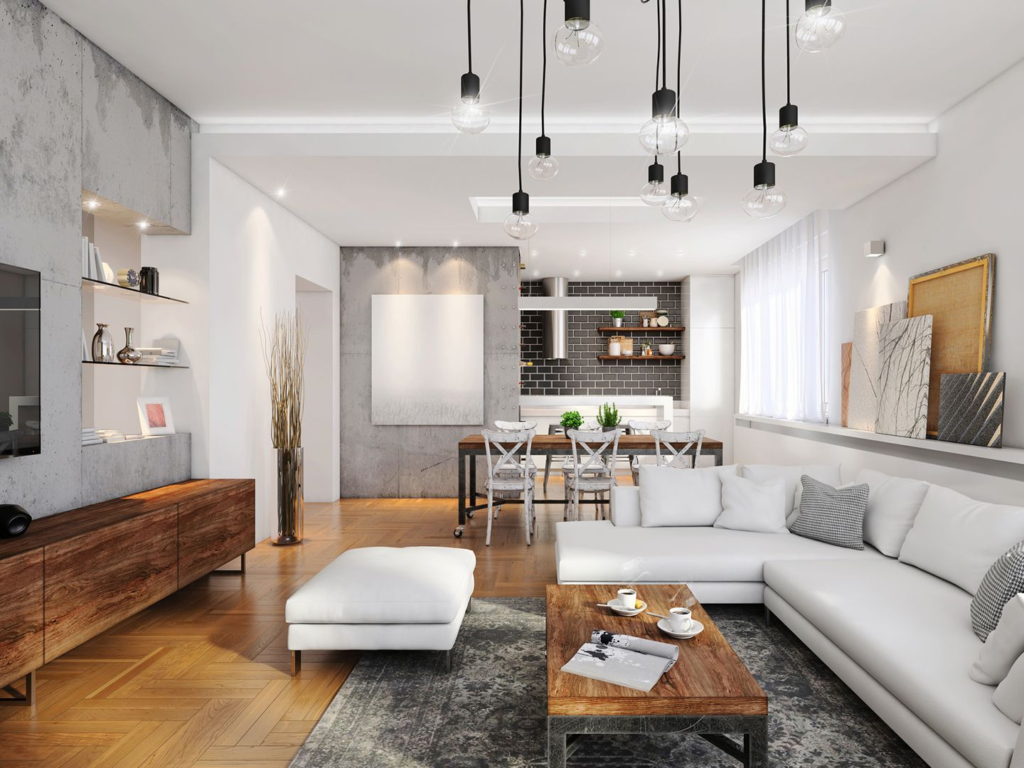
Living rooms and shared spaces often consume more energy than expected due to electronics and lighting. Televisions, gaming consoles, and streaming devices draw standby power even when “off.” Smart power strips, which cut power when devices aren’t in use, can reduce this hidden consumption.
Lighting upgrades are another low-barrier improvement. LED bulbs use up to 75% less energy than incandescent bulbs and last significantly longer, according to the Environmental Protection Agency.
Kitchens
Refrigerators, dishwashers, and ovens are among the highest energy users in most homes. Newer appliances with ENERGY STAR certification can reduce energy use substantially, but efficiency also comes from how appliances are used—running dishwashers only when full, using air-dry settings, and maintaining proper refrigerator temperatures.
Bedrooms and Home Offices
With more Americans working from home, bedrooms and offices now host computers, monitors, and climate control needs throughout the day. Simple measures like adjusting thermostat schedules, using ceiling fans, and managing daylight through curtains or blinds can noticeably reduce heating and cooling demand.
Heating, Cooling, and Comfort: The Efficiency Sweet Spot
Heating and cooling typically represent the largest share of household energy bills. Improving efficiency here often delivers the fastest payback.
Programmable or smart thermostats allow households to reduce energy use during sleeping hours or when no one is home. The ENERGY STAR reports that proper thermostat use alone can save an average household about 8% annually on heating and cooling costs.
Weather-sealing doors and windows, adding attic insulation, and maintaining HVAC systems regularly are less visible changes—but they dramatically improve comfort by reducing drafts and temperature swings.
Daily Habits That Quietly Add Up
Energy efficiency isn’t only about equipment; it’s about behavior. These habits often go unnoticed but influence long-term outcomes:
- Washing clothes in cold water when possible
- Running appliances during off-peak hours where time-of-use pricing applies
- Turning off lights when leaving a room
- Adjusting water heater temperatures to recommended levels
- Letting natural light replace artificial lighting during the day
Individually, each habit saves little. Together, they reshape household energy demand without affecting quality of life.
The Financial Case: Predictability Over Perfection
Many Americans pursue energy efficiency not to minimize consumption entirely, but to stabilize costs. Energy-efficient homes tend to experience fewer bill spikes during extreme weather and require fewer emergency repairs.
According to analysis from the National Renewable Energy Laboratory, efficiency improvements often deliver higher returns than energy generation investments when measured purely by cost savings. Predictability, rather than perfection, is what makes efficiency sustainable for most households.
Renters and Energy Efficiency: What’s Still in Your Control
Renters often feel limited in their ability to improve efficiency, but meaningful options still exist. Portable solutions—such as LED bulbs, smart power strips, window insulation kits, and draft blockers—can reduce energy use without altering the property.
Communication also matters. Many landlords are increasingly open to efficiency upgrades, especially when incentives or rebates are available. Even simple maintenance requests, like sealing air leaks or servicing HVAC units, can yield noticeable benefits.
Energy Efficiency and Lifestyle Alignment
Efficiency works best when it aligns with how people already live. A household with irregular schedules benefits more from smart thermostats than rigid routines. Families with young children may prioritize consistent comfort, while retirees may focus on cost control.
The key is flexibility. Energy efficiency isn’t about following a rigid checklist—it’s about selecting measures that fit daily rhythms and long-term priorities.
Common Questions Americans Ask About Energy Efficiency
Is energy efficiency worth it if I plan to move soon?
Yes. Many changes are portable or immediately reduce bills, delivering value even in the short term.
Do efficient homes really feel more comfortable?
Often, yes. Reduced drafts, consistent temperatures, and better humidity control improve comfort noticeably.
Are smart home devices necessary?
No. They help, but basic upgrades and habits deliver substantial benefits on their own.
How much can I realistically save?
Savings vary, but 10–20% reductions in energy costs are common with modest improvements.
Does energy efficiency affect home value?
Increasingly, yes. Buyers often factor utility costs into purchasing decisions.
Are rebates hard to access?
Most utility and federal programs are straightforward, especially for common upgrades.
Can efficiency reduce maintenance costs?
Yes. Efficient systems tend to operate under less strain, extending equipment life.
Is energy efficiency only about electricity?
No. It includes heating fuels, water heating, and overall energy use.
Does behavior really matter that much?
Over time, yes. Habits shape baseline consumption more than many people expect.
A Lifestyle Built on Quiet Improvements
Energy efficiency fits best into daily living when it stops feeling like a project and starts functioning as background support. The most effective households don’t chase perfection; they make consistent, sensible choices that align with their routines. Over time, those small decisions become infrastructure—quietly reducing costs, improving comfort, and making homes easier to live in.
What This Looks Like in Everyday Life
- Fewer seasonal bill surprises
- Homes that stay comfortable with less effort
- Appliances that last longer
- Habits that don’t require constant attention
- Savings that accumulate quietly over time