
Summary
Small, well-chosen DIY improvements can measurably improve comfort, efficiency, and home value without major renovations. This guide focuses on practical projects—lighting, insulation, hardware, storage, and maintenance—that deliver clear returns in daily usability, energy performance, and long-term durability, based on homeowner experience and credible housing data.
Why “Simple” DIY Projects Often Deliver the Best Results
In many American homes, the most noticeable improvements are not the largest or most expensive ones. They are the changes that remove friction from everyday life: a room that’s easier to light, a door that closes properly, or a space that feels warmer in winter without driving up utility bills.
According to the U.S. Department of Energy, modest efficiency upgrades—such as air sealing and lighting improvements—can reduce household energy use by 10–20% when done correctly. Meanwhile, the National Association of Realtors consistently finds that basic home maintenance and cosmetic upgrades influence buyer perception more than high-end finishes when homes eventually go on the market.
The key is selecting DIY projects that solve real problems rather than simply adding features. The sections below focus on improvements that homeowners consistently report as noticeable, cost-effective, and sustainable over time.

Improving Lighting for Comfort, Safety, and Function
Lighting is one of the most underestimated elements of a home. Poor lighting affects productivity, mood, and even safety, yet many homes still rely on outdated fixtures or insufficient task lighting.
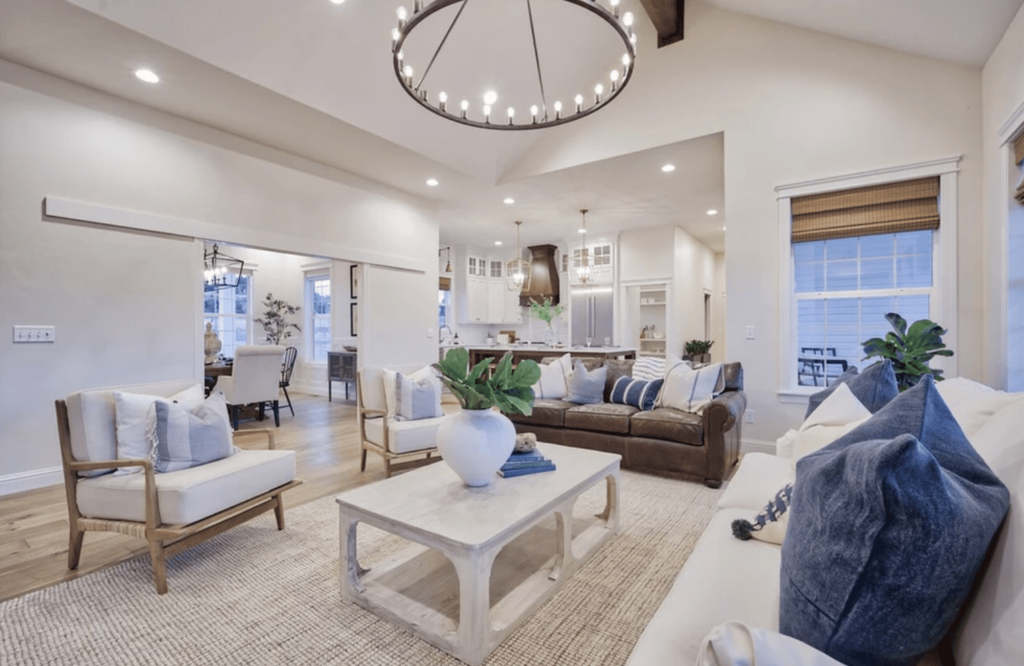
A simple DIY lighting improvement often starts with reassessing how each room is used. Kitchens and home offices benefit from brighter, more focused light, while living rooms and bedrooms typically perform better with layered lighting that combines ambient, task, and accent sources.
Replacing outdated fixtures with modern LED alternatives is one of the fastest ways to see measurable change. LED bulbs now offer accurate color rendering, adjustable color temperatures, and lifespans exceeding 15,000 hours. ENERGY STAR estimates that LED lighting uses at least 75% less energy than incandescent bulbs and lasts up to 25 times longer.
Practical DIY lighting upgrades include:
- Installing under-cabinet lighting in kitchens for safer food prep
- Swapping single overhead fixtures for multi-source lighting in living areas
- Adding motion-sensor lights in entryways and laundry rooms
These projects rarely require advanced electrical skills, but they noticeably improve daily comfort and usability.
Sealing Air Leaks to Improve Energy Efficiency
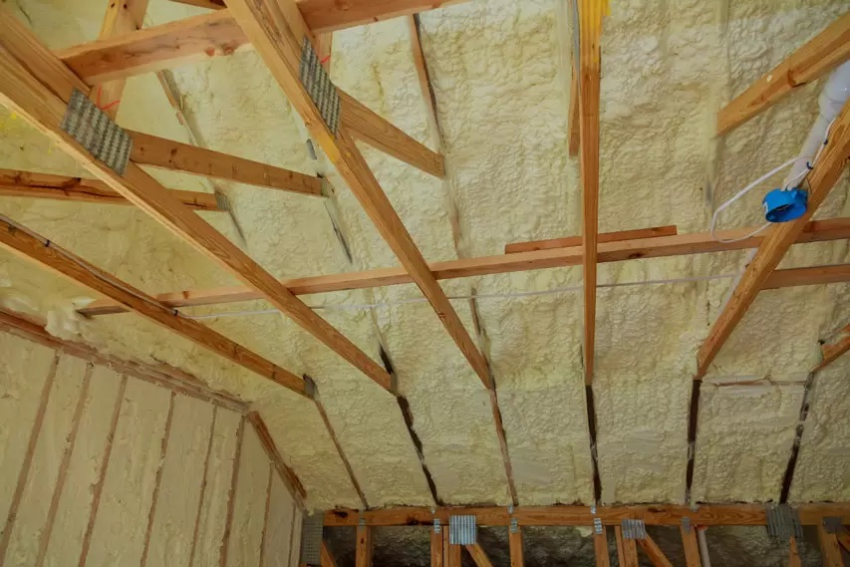
Drafts are more than an inconvenience—they are a direct drain on heating and cooling systems. Air leakage around doors, windows, and attic penetrations accounts for a significant portion of residential energy loss in the U.S.
Sealing air leaks is one of the highest-impact DIY improvements available. It does not change the look of a home, but it directly improves comfort and reduces monthly utility costs.
Homeowners often start by checking common leakage points:
- Gaps around exterior doors
- Window frames and trim
- Attic access panels
- Plumbing and wiring penetrations
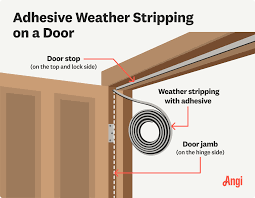
Applying weatherstripping, caulk, or foam sealant in these areas typically costs under $100 for an average home. The Environmental Protection Agency reports that proper air sealing and insulation can save homeowners an average of 15% on heating and cooling costs annually.
The improvement is immediately noticeable during temperature extremes, making this one of the most satisfying low-effort DIY projects.
Updating Hardware for Immediate Visual and Functional Gains
Cabinet knobs, drawer pulls, door handles, and hinges are touched dozens of times each day. Worn or mismatched hardware makes a space feel dated even when the underlying materials are solid.
Replacing hardware is one of the fastest DIY upgrades with an outsized visual return. It requires minimal tools, little technical knowledge, and very little downtime.
In kitchens and bathrooms especially, updated hardware can make existing cabinetry feel intentional and well-maintained. Homeowners often report that this change improves both aesthetics and ease of use, particularly when switching to soft-close hinges or ergonomic handles.
Common high-impact hardware updates include:
- Cabinet pulls with better grip and spacing
- Door handles with improved latch mechanisms
- Hinges that reduce sagging and noise
Because hardware styles are widely available in standardized sizes, most replacements can be completed in a single afternoon.
Improving Storage to Reduce Daily Friction
Storage improvements rarely photograph well, but they often deliver the greatest long-term value. Clutter increases stress, reduces efficiency, and makes homes harder to clean and maintain.
Simple DIY storage solutions focus on using existing space more effectively rather than adding square footage. Closets, pantries, garages, and laundry rooms are especially strong candidates.
Installing adjustable shelving systems allows storage to evolve with household needs. Adding pull-out drawers to lower cabinets improves accessibility. Even simple wall-mounted hooks in entryways can reduce daily clutter buildup.
Experienced DIYers often prioritize:
- Vertical storage to free floor space
- Visibility, so items are easy to find
- Flexibility, allowing systems to adapt over time
According to professional organizing studies cited by the American Cleaning Institute, organized spaces reduce cleaning time by up to 40%, a measurable quality-of-life improvement for busy households.
Refreshing Walls Without Full Renovation
Walls occupy more visual space than any other surface in a home, yet many homeowners delay updates due to perceived complexity. In reality, wall refresh projects can be among the most accessible DIY improvements.
A fresh coat of paint remains the most effective option, especially when moving away from dark or uneven colors. Neutral tones with warm undertones tend to reflect light better, improving perceived room size and brightness.
Other simple wall upgrades include:
- Repairing nail holes and small cracks
- Updating switch plates and outlet covers
- Adding removable wall molding or trim details
These changes improve a home’s appearance without altering its structure and can be completed gradually, room by room.
Improving Bathroom Function Without Major Remodeling
Bathrooms are high-use spaces where small improvements quickly add up. While full remodels are expensive, several DIY projects can significantly improve comfort and efficiency.
Replacing showerheads with WaterSense-labeled models can reduce water usage by up to 20% without sacrificing pressure. Updating toilet seats, towel bars, and mirrors improves hygiene and usability. Recaulking tubs and showers prevents moisture damage while improving appearance.
Homeowners often underestimate how much these modest updates improve daily routines, particularly in shared bathrooms.
Addressing Doors and Windows for Quiet and Comfort
Doors that stick, rattle, or fail to seal properly create constant low-level irritation. Fortunately, door and window adjustments are well within the reach of most DIY homeowners.
Simple fixes include tightening hinges, adjusting strike plates, and replacing worn weatherstripping. Window improvements may involve re-caulking exterior seams or installing interior window insulation kits for winter months.
These projects improve temperature control and reduce noise transmission—two factors strongly linked to perceived home comfort.
Tackling Preventive Maintenance That Pays Off
Preventive maintenance rarely feels urgent, but it often provides the highest return on effort. Simple DIY tasks performed annually can prevent costly repairs later.
Examples include:
- Cleaning dryer vents to reduce fire risk
- Flushing water heaters to extend lifespan
- Sealing exterior wood to prevent rot
The Consumer Product Safety Commission notes that dryer vent maintenance alone prevents thousands of house fires each year. These tasks may not be glamorous, but they have clear, measurable benefits.
Frequently Asked Questions
Which DIY improvements add the most value for the least cost?
Energy efficiency upgrades, lighting improvements, and basic maintenance consistently offer the highest returns.
Are DIY projects worth it if I plan to sell later?
Yes. Buyers respond positively to homes that feel well-maintained and efficient, even if upgrades are modest.
How do I know if a project is safe to DIY?
Projects involving structural changes, gas lines, or major electrical work should involve licensed professionals.
How much time should I budget for small DIY projects?
Most projects in this guide can be completed in one to three weekends.
Do I need specialized tools?
Many projects require only basic tools like a drill, level, and screwdriver.
What’s the biggest mistake DIYers make?
Skipping preparation and measurements, which leads to uneven results or rework.
Are energy upgrades noticeable immediately?
Yes. Reduced drafts and better lighting are usually felt right away.
Can renters benefit from DIY improvements?
Yes, especially with removable storage, lighting, and organization upgrades.
How do I prioritize projects?
Start with safety, then comfort, then appearance.
A Smarter Way to Improve a Home Over Time
The most effective DIY improvements are rarely dramatic. They work quietly in the background, making homes easier to live in, less expensive to operate, and more pleasant day after day. By focusing on practical changes with measurable outcomes, homeowners build long-term value without unnecessary disruption.
Key Improvements That Consistently Deliver Results
- Improve lighting before adding décor
- Seal air leaks to reduce energy loss
- Upgrade hardware for daily usability
- Add storage to reduce clutter stress
- Maintain systems before problems arise