
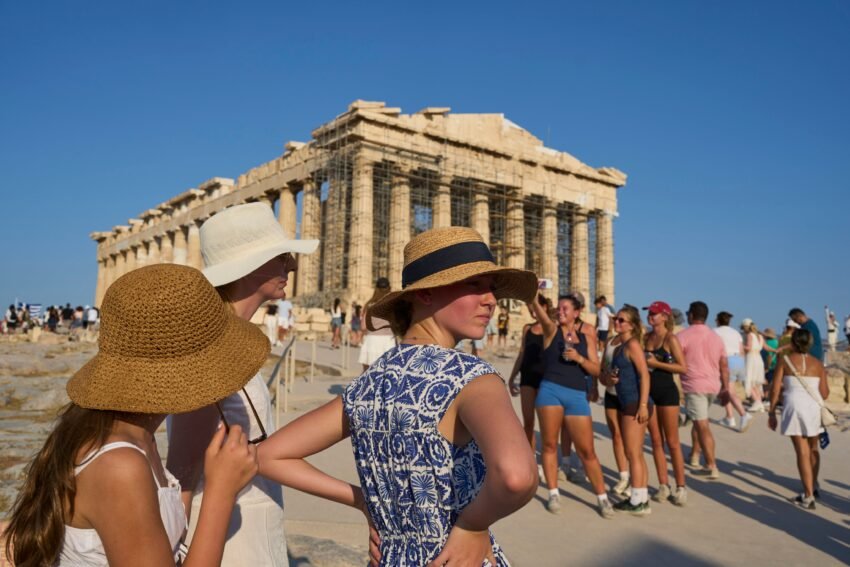
Shoulder season—typically the weeks between peak and off-peak travel—offers lower prices, lighter crowds, and more authentic local experiences. Experienced travelers deliberately avoid peak summer months in favor of spring and fall departures, when weather is often favorable and destinations feel more accessible. Understanding timing, demand cycles, and regional nuances can significantly improve both value and overall travel quality.
What Is Shoulder Season—and Why Does It Matter?
“Shoulder season” refers to the transitional travel periods between a destination’s busiest (peak) season and its quietest (off-season). In most U.S. destinations, that means late April through early June and September through mid-October. Exact timing varies by region, but the principle remains consistent: demand softens while conditions often remain favorable.
According to industry data from organizations such as the U.S. Travel Association, summer remains the most popular leisure travel period for American families due to school schedules. That concentration of demand drives higher airfare, hotel rates, attraction wait times, and limited availability.
Experienced travelers understand a simple economic truth: when demand drops slightly—but weather and accessibility remain strong—the overall experience improves.
Why Peak Summer Travel Can Diminish the Experience
Peak summer has advantages: longer daylight hours, broad attraction availability, and predictable scheduling. But it also brings trade-offs.
Crowds at major destinations can reshape the experience. At heavily visited national parks, timed-entry systems and parking restrictions have become common during summer months. Beach towns operate at maximum capacity. International destinations experience longer queues at museums and landmarks.
Consider Yellowstone National Park. July and August see some of the highest visitation levels of the year, with traffic congestion around geothermal features and popular trailheads. By contrast, late May and September often provide cooler temperatures, wildlife visibility, and less congestion.
Similarly, European cities such as Rome experience peak tourist density in July. Visiting in October can mean shorter lines at historic sites and more comfortable walking weather.
The difference isn’t subtle—it affects pacing, stress levels, and overall enjoyment.
The Financial Advantage of Traveling in Shoulder Season
One of the most searched questions among U.S. travelers is: “Is it cheaper to travel in September than in July?” In many cases, yes.
Airfare pricing is demand-driven. When school resumes and family travel slows, fares often soften. Hotels, especially independent properties, may lower nightly rates or offer added value inclusions.
Experienced travelers often report:
- Reduced airfare on midweek departures
- Lower nightly hotel rates
- More flexibility with room upgrades
- Fewer minimum-stay requirements
Cruise pricing also fluctuates significantly outside peak summer windows.
While savings vary by destination, shoulder season frequently offers a better value-to-experience ratio.
Better Weather Than You Think
Many assume summer guarantees optimal weather. In reality, July and August often bring extreme heat in destinations such as Las Vegas or Phoenix, where daytime temperatures regularly exceed 100°F.
In contrast:
- September in the Pacific Northwest often delivers clear skies.
- Late May in the Rockies offers snow-free trails without peak traffic.
- October in New England provides foliage and mild hiking conditions.
Weather patterns vary, but shoulder season frequently aligns with moderate temperatures and lower humidity.
Less Crowding Means More Meaningful Experiences
Crowds influence everything from restaurant reservations to photography opportunities. In peak months, travelers may spend more time waiting than exploring.
Visiting Acadia National Park in early October, for example, often allows sunrise access to Cadillac Mountain without summer congestion. Likewise, exploring Charleston in November can mean easier dining reservations and more relaxed walking tours.
Reduced crowd density creates space—for conversation, reflection, and spontaneity.
Shoulder Season by Region: When to Go
Timing varies depending on geography.
Northeast U.S.:
Late September through mid-October offers foliage without peak summer humidity.
Mountain West:
Late May and September provide accessible hiking with fewer RV crowds.
Southeast Beaches:
Late April and October often avoid both spring break and hurricane-season peaks.
Europe:
April–June and September–October generally balance manageable crowds with mild weather.
National Parks:
May and September frequently provide optimal wildlife viewing and trail access.
Understanding regional nuance is critical. Shoulder season in Florida differs from shoulder season in Colorado.
Common Questions Americans Ask About Shoulder Season
Search trends indicate travelers want clarity around trade-offs:
- Is shoulder season rainy?
- Are attractions open in October?
- Do airlines reduce routes after summer?
- Is it safe to travel during hurricane season?
- Are fewer tours available?
In most cases, services remain operational, though some seasonal attractions may close after Labor Day. Checking official tourism websites before booking remains best practice.
Potential Drawbacks to Consider
Shoulder season is not universally perfect.
Travelers may encounter:
- Reduced operating hours at seasonal businesses
- Variable weather patterns
- Limited ferry or excursion schedules
- Earlier sunset times in fall
However, many experienced travelers consider these manageable trade-offs compared to peak-season congestion.
Practical Planning Strategies for Shoulder Season
Experienced travelers approach shoulder season deliberately.
1. Monitor Regional Weather Trends
Historical climate averages help set expectations.
2. Book Flexible Flights
Midweek departures often offer better pricing.
3. Confirm Attraction Schedules
Museums and tours may shift to reduced hours.
4. Pack for Layering
Temperatures can vary widely between morning and afternoon.
5. Purchase Travel Insurance During Hurricane Season
Fall Caribbean trips may warrant additional coverage.
Case Study: Comparing Two Visits to Grand Canyon National Park
July Visit:
Full parking lots by mid-morning, shuttle queues, midday heat exceeding 90°F.
Late September Visit:
Comfortable temperatures, improved sunset viewing, easier lodge reservations.
The landscape remains identical—but the visitor experience differs significantly.
Does Shoulder Season Work for Families?
Families with school-aged children face scheduling limitations. However:
- Long weekends in early fall can be effective.
- Early June travel sometimes avoids peak pricing.
- Homeschooling or flexible academic calendars offer more freedom.
Retirees and remote workers have the greatest flexibility to capitalize on shoulder-season timing.
Frequently Asked Questions
1. What months count as shoulder season?
Typically late spring and early fall, though timing varies by destination.
2. Is travel insurance necessary during shoulder season?
It depends on destination risks, particularly hurricane exposure.
3. Are flights significantly cheaper?
Often, though pricing fluctuates by route and demand.
4. Will attractions be closed?
Most remain open, but hours may be reduced.
5. Is the weather unpredictable?
Transitional seasons can vary, but extreme heat is often reduced.
6. Are fewer tourists noticeable?
Yes, especially at popular national parks and urban landmarks.
7. Is September a good time for Europe?
Generally yes—moderate weather and fewer summer tour groups.
8. What about Caribbean travel in October?
It’s hurricane season, so monitoring forecasts and purchasing insurance is advisable.
9. Do hotels offer better service with fewer guests?
Staff may have more capacity to provide personalized attention.
The Strategic Advantage of Traveling When Others Don’t
Travel timing shapes experience as much as destination choice. Shoulder season rewards flexibility. It allows travelers to experience iconic places without the intensity of peak-season demand.
Rather than competing with crowds, experienced travelers align schedules with demand cycles. The result is often a more relaxed, immersive, and cost-effective trip.
Timing as a Travel Skill
Choosing when to travel is as important as choosing where. Understanding seasonal patterns, demand economics, and regional climate trends turns shoulder season into a strategic advantage—not simply a budget tactic.
For those willing to shift their calendar slightly, the rewards extend beyond savings. They influence atmosphere, access, and authenticity.
A Smarter Way to Fill Your Calendar
Travel isn’t just about location—it’s about timing. Shoulder season offers a window where value, comfort, and access align. For many destinations, the difference between July and September isn’t the scenery—it’s the experience.
Why Timing May Be the Most Underrated Travel Decision
- Peak demand increases pricing
- Shoulder season improves flexibility
- Moderate weather enhances comfort
- Shorter lines improve access
- Lodging availability expands
- Local interactions feel less rushed
- Wildlife sightings often improve
- Dining reservations are easier
- Photography conditions improve
- Overall stress decreases