
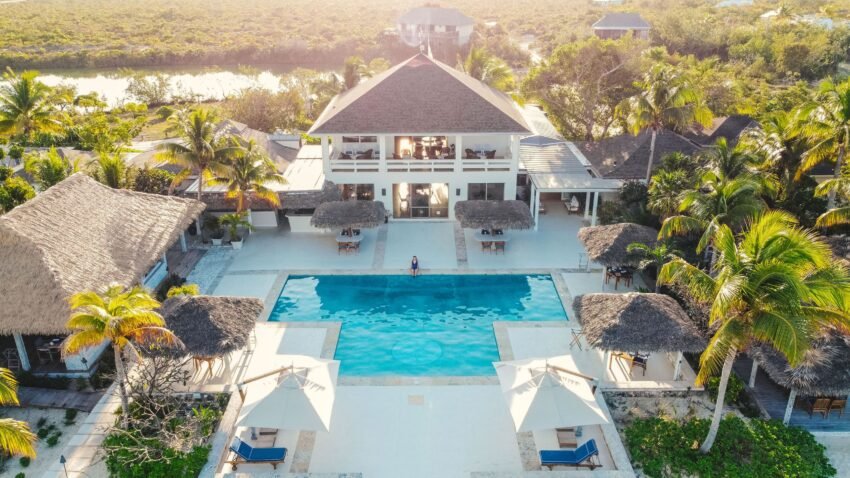
All-inclusive vacations are evolving beyond buffet lines and poolside cocktails. U.S. travelers now prioritize flexibility, authentic local experiences, wellness programming, transparent pricing, and family-friendly customization. From eco-conscious resorts to culinary-driven properties, the modern all-inclusive trip reflects shifting values around sustainability, personalization, and value. Here’s what’s changing—and how to choose an all-inclusive that actually fits your travel style.
For decades, the all-inclusive vacation meant one thing: convenience. Flights, transfers, meals, drinks, and activities bundled into a single price, typically at a beachfront resort in Mexico or the Caribbean. For many Americans, that formula still works. But expectations have shifted dramatically.
Today’s traveler is more informed, more comparison-driven, and more interested in how a trip feels—not just what it costs. According to the U.S. Travel Association, leisure travel remains a dominant force in the American travel economy, and post-pandemic booking patterns show consumers placing higher value on experience quality and flexibility.
So what does that mean for the future of all-inclusive vacations? It means the model is being redefined.
What Does “All-Inclusive” Mean in 2026?
A common question Americans search for: What’s actually included in an all-inclusive resort now?
Traditionally, the package covered:
- Accommodations
- Unlimited food and beverages
- Non-motorized water sports
- Basic entertainment
- Airport transfers (sometimes)
Today, many resorts are expanding—or restructuring—what inclusion means. Instead of generic perks, newer properties focus on curated programming: chef-led dining experiences, yoga retreats, guided excursions, childcare programming, and sustainability initiatives.
Brands under companies like Hyatt Hotels Corporation and Marriott International have entered the all-inclusive space, bringing loyalty programs and brand standards that appeal to American travelers accustomed to predictable service quality.
Why Are Travelers Rethinking the Model?
Several forces are driving this shift.
1. Demand for Authentic Experiences
Travelers increasingly ask: Will I ever leave the resort?
Older all-inclusive models sometimes discouraged off-property exploration. Now, many guests want cultural immersion. Resorts are responding with:
- Guided local tours
- Partnerships with nearby artisans
- On-site cooking classes featuring regional cuisine
- Community-focused excursions
Rather than isolating guests, modern properties aim to integrate the destination into the stay.
2. Transparency Around Pricing
Another common search query: Are all-inclusive resorts really cheaper?
The answer depends on your habits. For families or travelers who value simplicity, bundled pricing often reduces financial uncertainty. However, fine print matters. Premium dining, spa treatments, and certain excursions frequently carry additional fees.
Savvy travelers now compare:
- Nightly rate vs. comparable à la carte resort pricing
- Added service fees
- Tipping policies
- Upgrade tiers
Transparency has become a competitive advantage.
3. Wellness Is No Longer an Add-On
Wellness tourism continues to grow globally. According to the Global Wellness Institute, wellness travel spending has rebounded strongly in recent years, influencing resort development worldwide.
All-inclusive resorts are expanding wellness offerings beyond a small spa facility. Many now include:
- Daily yoga and meditation sessions
- Fitness classes
- Nutrition-focused dining menus
- Sleep-enhancing room designs
- Digital detox packages
For U.S. travelers seeking stress relief, this shift aligns with broader lifestyle trends.
Family-Friendly vs. Adults-Only: A Clearer Divide
The American family vacation remains a strong market segment. Multi-generational travel is also increasing. At the same time, adults-only resorts are growing in popularity for couples and friend groups seeking quieter environments.
Family-focused all-inclusives now emphasize:
- Structured kids’ clubs
- Teen programming
- Babysitting services
- Spacious suites
Adults-only properties often focus on:
- Elevated dining
- Spa-centric design
- Swim-up bars and entertainment
- Intimate beachfront layouts
The distinction is more intentional than in previous decades, helping travelers match the atmosphere to their goals.
Sustainability and Environmental Responsibility
Environmentally conscious travel is no longer niche. American travelers frequently ask: Are all-inclusive resorts bad for the environment?
Large-scale resorts can strain local ecosystems. However, many newer properties emphasize:
- Renewable energy use
- Water conservation systems
- Plastic reduction programs
- Reef-safe sunscreen initiatives
- Local sourcing of ingredients
Certifications from recognized environmental organizations are increasingly visible on resort websites, reflecting growing consumer scrutiny.
The Rise of Boutique and Smaller-Scale All-Inclusives
Historically, the all-inclusive concept meant mega-resorts. Now, smaller properties are adopting the model with fewer rooms and more personalized service.
Boutique all-inclusives appeal to travelers who:
- Prefer quiet atmospheres
- Value design and architecture
- Seek curated dining experiences
- Want staff-to-guest interaction
Instead of buffet halls serving hundreds, guests might find chef-tasting menus or farm-to-table experiences.
Domestic All-Inclusive Options Are Expanding
When Americans think “all-inclusive,” they often picture Mexico or the Caribbean. Yet domestic options are growing.
Dude ranches in the American West, wellness retreats in Arizona, and mountain lodges in Colorado frequently operate under modified all-inclusive pricing structures.
For example, ranch resorts may include horseback riding, meals, and outdoor programming in one rate. This model appeals to travelers who prefer staying within the U.S. while maintaining predictable costs.
Are All-Inclusive Vacations Worth It?
This is perhaps the most searched question.
They are worth it if:
- You want predictable budgeting
- You prefer minimal planning
- You anticipate using on-site amenities extensively
- You value convenience over spontaneity
They may not be ideal if:
- You plan to explore extensively off property
- You rarely drink alcohol (in traditional resort models)
- You prioritize independent dining experiences
The key is alignment between your travel style and the property’s design.
Booking Smarter: What to Know Before You Reserve
Before booking an all-inclusive vacation, consider:
- What tier of room includes preferred amenities
- Whether airport transfers are included
- The resort’s cancellation policy
- Seasonal weather patterns
- Reviews that specifically mention food quality and service consistency
Travel advisors still play a significant role in this segment. Many Americans underestimate how frequently resort packages change, and advisors often access added perks or room upgrades not publicly advertised.
Frequently Asked Questions
1. Are all-inclusive vacations cheaper than booking separately?
They can be, particularly for families or travelers who use on-site amenities extensively.
2. Do all-inclusive resorts include alcohol?
Most do, though premium brands or aged spirits may cost extra.
3. Is tipping required at all-inclusive resorts?
Policies vary. Some include gratuities; others allow optional tipping.
4. Are flights included in all-inclusive packages?
Sometimes. Many packages bundle flights, but room-only options are common.
5. Can you leave the resort?
Yes. Guests are free to explore, though organized excursions may carry extra fees.
6. Are all-inclusive vacations safe?
Major resort areas maintain strong security standards. As with any travel, awareness and research are important.
7. Is food quality good at all-inclusives?
Quality varies widely. Reading recent reviews is essential.
8. Are there luxury all-inclusive options?
Yes. High-end brands offer gourmet dining, private butlers, and exclusive experiences.
9. How far in advance should I book?
Three to six months in advance is typical for peak travel seasons.
The Modern All-Inclusive Mindset
The all-inclusive vacation is no longer just about unlimited access—it’s about intentional design. Travelers want clarity in pricing, meaningful experiences, wellness integration, sustainability, and customization.
For some, that means a family-friendly beachfront resort with structured programming. For others, it means a boutique wellness retreat with farm-to-table dining. The shift isn’t about abandoning convenience—it’s about redefining it.
The most successful properties understand that Americans are no longer simply buying a package. They are buying time, ease, and alignment with their values.
Choosing the Right All-Inclusive for Your Travel Style
- Identify whether relaxation or exploration is your priority
- Compare dining concepts, not just room categories
- Evaluate sustainability commitments
- Understand extra-fee policies
- Match the resort atmosphere to your group type
- Review cancellation flexibility