
Summary
Sustainable living is increasingly shaping how Americans define comfort at home, work, and in daily routines. This article explores how energy efficiency, healthier materials, smarter consumption, and thoughtful design now align with modern convenience. Through practical examples and research-backed insights, it shows how sustainability supports comfort without sacrificing quality of life.
Comfort Has Changed—And Sustainability Is Part of It
For decades, comfort in American life was measured by abundance: larger homes, more appliances, faster transportation, and constant climate control. Today, that definition is shifting. Comfort increasingly means reliability, health, financial stability, and peace of mind—qualities that sustainable living directly supports.
Rather than being an alternative lifestyle, sustainability has become integrated into mainstream living. Energy-efficient homes, cleaner indoor air, durable products, and smarter resource use now align with what many households already want: lower bills, fewer disruptions, and healthier environments.
This evolution reflects a broader cultural change. Americans are no longer asking whether sustainability fits modern life. They are asking how it improves it.
Why Sustainable Living No Longer Feels Like a Sacrifice
Early sustainability movements often focused on limitation—use less, buy less, give things up. Modern sustainable living looks different. It prioritizes efficiency, longevity, and thoughtful choices that often increase comfort rather than reduce it.
Consider how this plays out in everyday life. A well-insulated home maintains consistent temperatures year-round, reducing drafts in winter and overheating in summer. LED lighting produces less heat and lasts significantly longer, reducing both energy use and maintenance. These changes don’t require lifestyle disruption; they quietly improve daily comfort.
Research supports this shift. According to the U.S. Department of Energy, households that improve insulation and seal air leaks can save up to 20% on heating and cooling costs. The comfort benefits—fewer cold spots, less noise, and more consistent temperatures—are often noticed immediately.
Sustainability works best when it is invisible but effective.
The Home as the Center of Sustainable Comfort
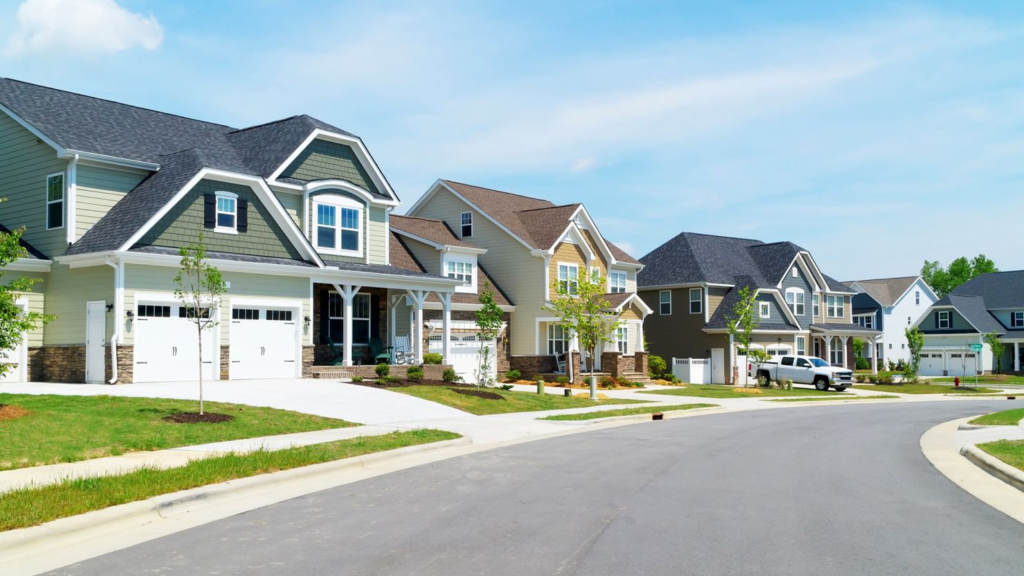
Home is where sustainable living most clearly intersects with comfort. Modern sustainable homes are designed to work smarter, not harder, using materials and systems that support everyday living.
Energy efficiency is the foundation. High-performance windows reduce heat loss while allowing natural light. Smart thermostats learn usage patterns and adjust automatically. Heat pump systems provide heating and cooling with greater efficiency than traditional HVAC setups.
Indoor air quality has also become a priority. Many Americans now recognize that comfort includes what they breathe. Low-VOC paints, formaldehyde-free furniture, and improved ventilation systems reduce allergens and pollutants that can trigger headaches, fatigue, or respiratory issues.
Water efficiency contributes quietly to comfort as well. Low-flow fixtures and high-efficiency appliances reduce water waste without compromising performance. In drought-prone regions, these systems provide peace of mind alongside environmental benefits.
Together, these choices create homes that feel calmer, healthier, and more reliable—key components of modern comfort.
Sustainable Comfort Beyond the Home
Comfort doesn’t stop at the front door. Sustainable living increasingly shapes transportation, work routines, and consumption habits.
Remote and hybrid work models, accelerated by digital infrastructure, have reduced commuting stress for millions of Americans. Fewer daily drives mean less fuel consumption, but also more time, flexibility, and mental ease. For many households, sustainability and work-life balance now overlap.
Transportation itself is changing. Electric and hybrid vehicles offer quieter rides, lower maintenance needs, and reduced fuel costs. Public transit improvements, bike infrastructure, and walkable neighborhoods support daily convenience while reducing environmental impact.
Consumption habits also play a role. Buying fewer, higher-quality items reduces clutter and decision fatigue. Products designed to last longer—whether clothing, furniture, or electronics—often perform better over time and require less replacement.
These shifts reflect a broader understanding that comfort is not about speed or volume, but about consistency and control.
Health, Well-Being, and Sustainable Living
One of the strongest arguments for sustainable living is its impact on personal health. Comfort is deeply tied to how people feel physically and mentally, and sustainability increasingly supports both.
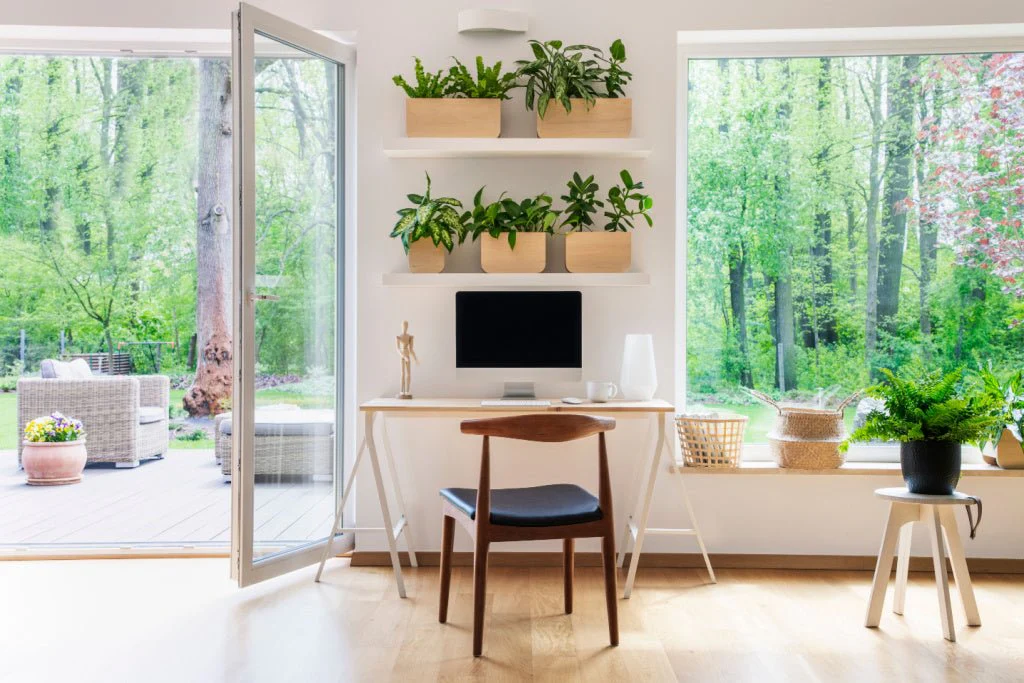
Natural light, better ventilation, and non-toxic materials contribute to improved indoor environments. Studies published in environmental health journals link improved indoor air quality to better sleep, concentration, and overall well-being.
Sustainable food choices also intersect with comfort. Locally sourced produce, seasonal eating, and reduced reliance on ultra-processed foods often lead to fresher meals and more predictable grocery spending. For many families, this translates into both physical comfort and routine stability.
Mental comfort matters too. Knowing that daily choices align with personal values can reduce stress and decision fatigue. Sustainable living, when approached practically, simplifies rather than complicates daily life.
Financial Comfort and Long-Term Stability
Comfort is inseparable from financial security. Sustainable living often delivers its greatest value over time, through reduced operating costs and increased resilience.
Energy-efficient upgrades may involve upfront investment, but long-term savings are well documented. The Environmental Protection Agency notes that ENERGY STAR–certified homes typically save homeowners hundreds of dollars annually on utility bills.
Durability is another key factor. Products designed for longevity—such as solid wood furniture, refillable household goods, or repairable electronics—reduce replacement costs and waste. Over years, these savings compound.
Sustainability also supports resilience. Homes with solar panels and battery storage provide backup power during outages. Water-efficient landscapes reduce vulnerability during droughts. These features add a layer of comfort that extends beyond daily convenience.
What Sustainable Comfort Looks Like in Real Life
Sustainable living is not a checklist; it is a progression. Most Americans adopt it gradually, integrating changes that fit their routines and budgets.
Examples from everyday households include:
- Switching to programmable thermostats to stabilize indoor temperatures
- Replacing worn appliances with energy-efficient models when upgrades are needed
- Choosing durable clothing and repairing items instead of replacing them
- Using public transit or carpooling a few days a week
- Reducing food waste through meal planning and storage improvements
These changes are practical, familiar, and increasingly common. They reflect how sustainability becomes comfortable when it aligns with real needs rather than idealized standards.
Frequently Asked Questions
Is sustainable living more expensive in the long run?
In most cases, no. While some upgrades require upfront costs, long-term savings from energy efficiency, durability, and reduced maintenance often outweigh initial expenses.
Can renters adopt sustainable living habits?
Yes. Renters can focus on energy-efficient lighting, smart power strips, water-saving fixtures, and sustainable consumption choices without altering property infrastructure.
Does sustainability reduce comfort at home?
Modern sustainability solutions typically improve comfort by stabilizing temperatures, improving air quality, and reducing noise and maintenance issues.
Are sustainable products less effective than conventional ones?
Many sustainable products now meet or exceed conventional performance standards, particularly in appliances, lighting, and cleaning supplies.
How does sustainable living affect health?
Improved indoor air quality, reduced exposure to toxins, and healthier food choices can positively affect physical and mental well-being.
Is sustainable living only for homeowners?
No. Transportation choices, consumption habits, food sourcing, and energy use behaviors apply regardless of housing status.
How quickly do energy-efficient upgrades pay off?
Payback periods vary, but many efficiency improvements recoup costs within a few years through utility savings.
Does sustainable living require lifestyle changes?
It often involves adjustments, but most are incremental and designed to fit existing routines rather than replace them.
Is sustainable living realistic for families?
Yes. Many families adopt sustainability through cost-saving measures, healthier home environments, and simplified routines.
A New Definition of Ease and Reliability
Sustainable living fits into modern life because it supports what people value most: dependable systems, healthier spaces, and fewer daily stressors. Comfort today is less about excess and more about confidence—confidence that homes will perform well, costs will remain manageable, and environments will support well-being.
As sustainability continues to evolve, its role in everyday comfort becomes clearer. It is not a departure from modern living, but an upgrade to it.
What This Shift Means in Everyday Terms
- Comfort now includes health, reliability, and long-term stability
- Sustainable choices increasingly reduce stress rather than add complexity
- Modern living benefits from systems designed for efficiency and durability
- Sustainability aligns with financial and emotional well-being