

Summary
Practical sustainability focuses on durable habits rather than short-lived trends. This article explores how Americans can integrate environmentally responsible choices into daily life—at home, at work, and in their communities—without sacrifice or perfectionism. Grounded in real-world examples and credible data, it outlines realistic strategies that support long-term lifestyle change.
Why Sustainability Fatigue Is Real—and Avoidable
Over the past decade, sustainability has moved from the margins into the mainstream. Reusable bottles, electric vehicles, plant-forward diets, and zero-waste challenges are now familiar concepts. Yet many Americans report feeling overwhelmed or skeptical. When sustainability is framed as all-or-nothing or driven by social media trends, it can feel performative rather than practical.
True sustainability is not about chasing the newest eco-product or achieving an idealized lifestyle. It is about building habits that fit into real lives—busy schedules, varied incomes, and different regional realities. Long-term impact comes from consistency, not perfection.
What “Practical Sustainability” Actually Means
Practical sustainability emphasizes actions that are:
- Repeatable over years, not weeks
- Financially realistic for average households
- Context-aware, considering housing type, climate, and access
- Incremental, allowing habits to evolve over time
According to the U.S. Environmental Protection Agency (EPA), household consumption—energy use, transportation, food, and waste—accounts for a significant share of national environmental impact. Small, consistent adjustments across these areas can meaningfully reduce emissions and resource use without requiring radical lifestyle changes.

Moving Beyond Trends: Why Habits Matter More Than Headlines
Trends tend to focus on visibility: what can be photographed, shared, or branded. Habits operate quietly in the background. Switching to LED lighting, adjusting thermostats, cooking at home more often, or maintaining appliances rarely go viral—but they persist.
Behavioral research shows that habits anchored to daily routines are far more durable than motivation-based actions. For example, the U.S. Department of Energy notes that properly using programmable thermostats can reduce household energy bills by up to 10 percent annually. This is not glamorous, but it is effective.
Sustainable Living at Home: Where Impact Adds Up
American homes vary widely, from urban apartments to suburban houses and rural properties. Practical sustainability adapts to each setting.
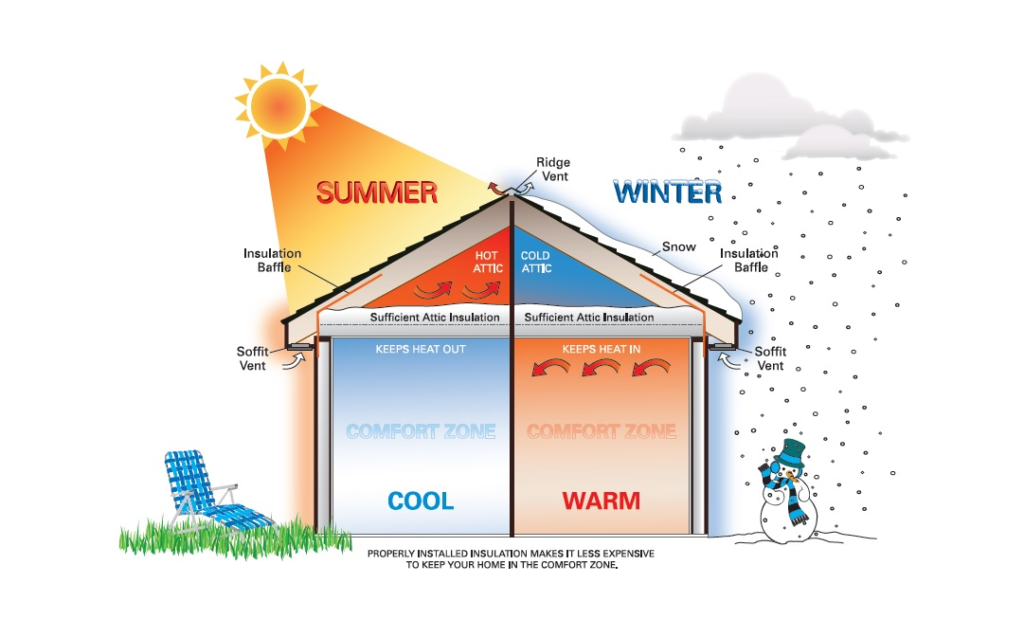
Energy efficiency often delivers the fastest return. Weather sealing doors and windows, maintaining HVAC systems, and choosing Energy Star–rated appliances reduce both emissions and utility costs. Water efficiency—through low-flow fixtures and mindful landscaping—matters especially in drought-prone regions of the West and Southwest.
Waste reduction works best when systems are simple. Instead of striving for zero waste overnight, households that:
- Standardize recycling routines
- Compost food scraps where local infrastructure exists
- Reduce single-use purchases gradually
are more likely to maintain progress over time.
Transportation Choices That Reflect Real Life
Transportation remains the largest source of U.S. greenhouse gas emissions, according to the Environmental Protection Agency. While not everyone can switch to an electric vehicle or rely on public transit, incremental changes still matter.
Practical approaches include combining errands to reduce trips, maintaining proper tire pressure for fuel efficiency, and using remote work options when available. For families with multiple vehicles, even replacing one car with a hybrid or EV can significantly lower annual emissions without disrupting daily logistics.

Food Choices: Sustainability Without Extremes
Food sustainability discussions often focus on strict dietary labels, but long-term habits are more flexible. The U.S. Department of Agriculture highlights that reducing food waste is one of the most accessible sustainability actions for households. Americans waste an estimated 30–40 percent of the food supply annually.
Simple, sustainable food habits include planning meals, freezing leftovers, and prioritizing seasonal produce. Many households adopt “plant-forward” eating—reducing but not eliminating animal products—which research shows can lower environmental impact while remaining culturally and nutritionally adaptable.
Sustainable Consumption: Buying Less, Choosing Better
Sustainability is not only about what we buy, but how often and why. Practical sustainability favors durability, repairability, and thoughtful purchasing over constant replacement.
In practice, this might mean investing in higher-quality clothing, maintaining electronics instead of upgrading annually, or borrowing and sharing tools locally. Consumer Reports and similar organizations consistently find that durable goods often cost less over their lifetime despite higher upfront prices.
Work, Technology, and Digital Sustainability
Remote and hybrid work have reshaped American lifestyles. Reduced commuting has lowered emissions for many workers, while digital tools have increased energy demand in data centers and home offices.
Practical sustainability in this area includes energy-efficient home office setups, responsible device disposal, and mindful digital usage. Turning off unused electronics, extending device lifespans, and using cloud services with renewable energy commitments all contribute incrementally.
Community-Level Sustainability: Shared Effort, Shared Benefit
Individual habits matter most when supported by community systems. Local recycling programs, public transit investments, farmers’ markets, and energy co-ops enable sustainable choices at scale.
Americans who engage locally—through neighborhood initiatives, school programs, or municipal planning—often find sustainability easier to maintain. Shared infrastructure reduces individual burden and increases collective impact.
How to Build Sustainable Habits That Last
Long-term change depends on alignment with daily life. Successful households tend to:
- Start with one or two manageable changes
- Track savings or efficiency gains
- Adjust habits seasonally
- Revisit goals annually rather than monthly
Sustainability works best when it evolves with life stages—new jobs, growing families, relocations—rather than resisting them.
Frequently Asked Questions
What is the difference between sustainable living and eco-friendly trends?
Sustainable living focuses on long-term habits; trends often emphasize short-term visibility.
Do small changes really make a difference?
Yes. When adopted consistently across millions of households, small actions produce measurable impact.
Is sustainable living expensive?
Many sustainable habits reduce costs over time, particularly energy and food-related choices.
How can renters practice sustainability?
Renters can focus on energy-efficient lighting, waste reduction, transportation choices, and consumption habits.
Is perfection necessary to live sustainably?
No. Consistency matters far more than perfection.
How does sustainability affect quality of life?
Many people report improved health, lower expenses, and reduced stress from simpler, more efficient habits.
What role does technology play in sustainability?
Technology can both increase and reduce impact, depending on usage and energy sources.
How long does it take to build sustainable habits?
Behavioral studies suggest habits form over weeks to months, especially when tied to routines.
Can sustainability fit into busy lifestyles?
Yes. The most effective habits are those that save time or simplify decisions.
A Long View on Living Well
Practical sustainability is not about standing out—it is about settling in. When environmental responsibility becomes part of daily life rather than a separate identity, it lasts. Americans do not need perfect systems or ideal conditions to live more sustainably. They need habits that work quietly, reliably, and over time.
What to Carry Forward
- Sustainable habits outperform short-term trends
- Consistency matters more than intensity
- Practical changes align with real American lifestyles
- Community systems amplify individual efforts