Summary Social media feeds increasingly function as personal mirrors, reflecting values, routines, and priorities more than curated highlights. From what Americans share to what they quietly scroll past, platforms reveal patterns of identity, aspiration, and belonging. Understanding these signals helps individuals use social media more intentionally—and interpret online life with greater clarity. Introduction: More Than…
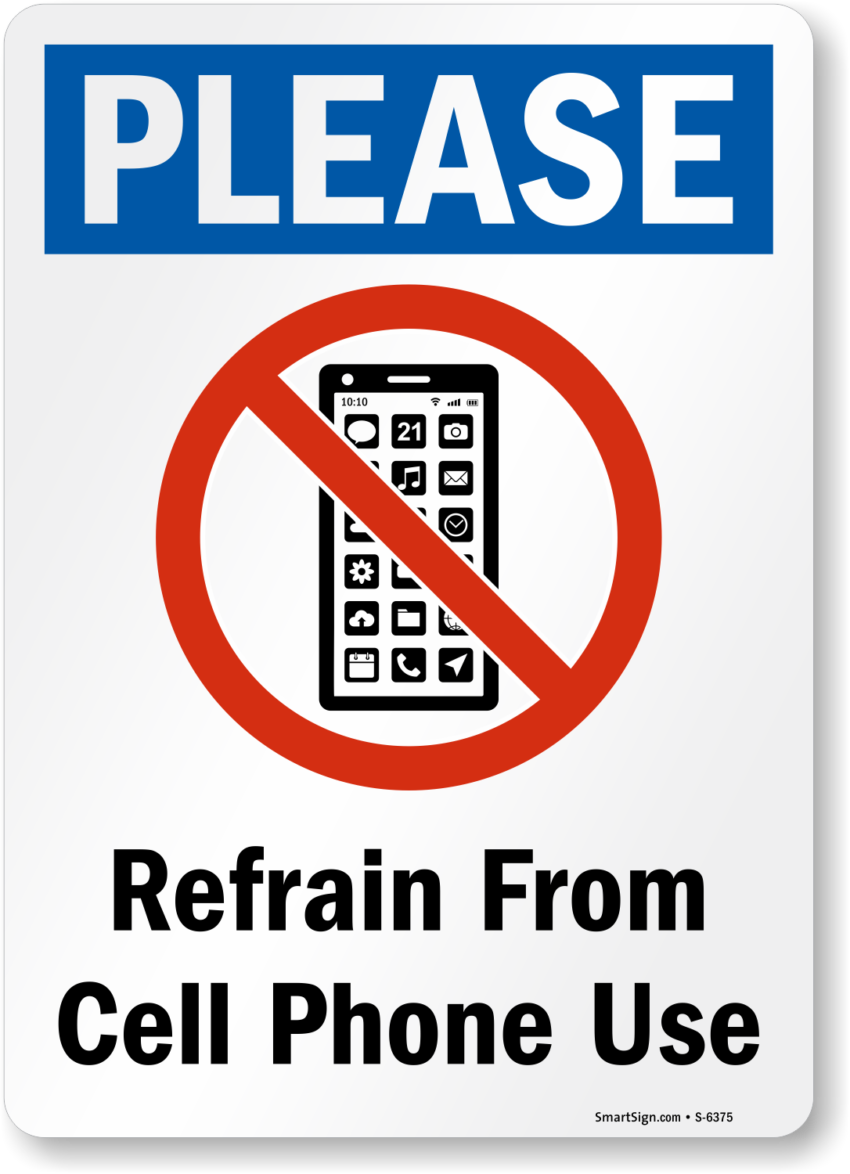
The Rise of “Slow Travel” in America: What It Means for Your Next Trip
Slow travel emphasizes longer stays, deeper local engagement, and fewer rushed itineraries. In the United States, it reflects shifting traveler priorities toward flexibility, cultural immersion, and reduced stress. Influenced by remote work trends and sustainable tourism concerns, slow travel encourages meaningful experiences over packed schedules—reshaping how Americans plan weekends, road trips, and extended stays. What…
The Psychology Behind Everyday Sharing—and Why Some Moments Stay Offline
Summary Everyday sharing is shaped less by technology and more by psychology. This article explores why Americans share some moments publicly while keeping others private—drawing on behavioral science, cultural norms, and real-life examples. It explains how identity, emotion, and context influence digital choices, and why intentional non-sharing is becoming a meaningful form of self-protection. In…
Where to Travel in the U.S. When You Want Fewer Crowds — Without Sacrificing Culture
Travelers seeking rich cultural experiences without heavy congestion are increasingly turning to mid-sized and secondary U.S. cities. These destinations offer respected museums, historic districts, strong culinary scenes, and performing arts—without the density of major tourism hubs. Strategic timing and neighborhood selection further reduce crowds, allowing for deeper, more relaxed cultural engagement. Why “Crowd-Light” Cultural Travel…
How Americans Are Redefining Privacy in an Always-Online Lifestyle
Summary As digital tools blend seamlessly into everyday life, Americans are quietly reshaping what privacy means. This article explores how social media, smart devices, workplace tech, and cultural norms are redefining personal boundaries—highlighting practical strategies people use today to stay connected while protecting their data, identity, and peace of mind. The End of “Offline” as…
The Evolving Role of Social Platforms in Work-Life Balance
Summary Social platforms now shape how Americans define productivity, boundaries, and personal time. As work and life increasingly overlap online, these platforms influence expectations around availability, identity, and burnout. This article examines how social media, professional networks, and creator tools are redefining work-life balance—and how individuals and organizations can respond thoughtfully. For much of the…
What Social Media Reveals About How We Spend Our Time, Attention, and Energy
Summary Social media has become a powerful lens into how Americans allocate time, focus, and emotional energy. This article examines what everyday digital behaviors reveal about modern priorities, attention economics, and lifestyle trade-offs—drawing on research, real-world examples, and practical insights to help readers better understand and manage their online lives. The Quiet Role Social Media…
Why Digital Habits Are Becoming Lifestyle Choices, Not Just Personal Preferences
Summary Digital habits—from how Americans check news to how they track health—are no longer casual preferences. They increasingly shape identity, routines, and values. This article explains why everyday digital behaviors are becoming lifestyle choices, how technology design and social norms accelerate the shift, and what it means for work, health, relationships, and long-term well-being. For…
The Subtle Trade-Off Between Convenience and Connection in Social Media Culture
Summary Social media offers unmatched convenience, but it subtly reshapes how Americans connect, communicate, and maintain relationships. This article examines the quiet trade-offs between efficiency and human connection, drawing on research, real-world examples, and practical insights to help readers understand how digital habits influence attention, empathy, and modern social life—and how to recalibrate without disconnecting…
The Quiet Shift Changing How Americans Plan Vacations
Americans are no longer planning vacations around price alone. In 2026, decisions are shaped by flexibility, reliability, remote work compatibility, climate awareness, and overall experience value. Fueled by economic pressure, digital tools, and lifestyle changes, this quiet shift is redefining how trips are researched, booked, and experienced—often in subtle but meaningful ways. A Subtle but…