
Summary
Practical luxury is reshaping men’s fashion in the U.S., prioritizing comfort, durability, and understated quality over flashy trends. This shift reflects changing work habits, smarter consumer values, and a desire for versatile clothing that performs across daily life. The result is a more intentional, functional, and refined approach to personal style.
A New Definition of Luxury—Built for Real Life
Luxury in men’s fashion used to signal exclusivity through obvious markers: bold logos, rigid tailoring, and price tags meant to impress. Over the past decade, that definition has quietly but decisively changed. Today, American men are gravitating toward what many editors and designers now describe as practical luxury—clothing that balances craftsmanship and premium materials with comfort, adaptability, and everyday usefulness.
This evolution didn’t happen overnight. It emerged from lifestyle changes that blurred the lines between work, leisure, and travel. As offices adopted more flexible dress codes and remote work became mainstream, the demand for clothing that feels as good at a desk as it does on a flight or weekend errand surged. Luxury, increasingly, is about how clothing performs in daily life—not how loudly it announces itself.
What “Practical Luxury” Actually Means
Practical luxury is not a trend category so much as a mindset. It reflects a shift away from novelty-driven fashion toward thoughtful consumption. At its core, it combines three elements:
- High-quality materials chosen for longevity and comfort
- Refined but restrained design that avoids excess branding
- Functional versatility that allows one piece to serve multiple roles
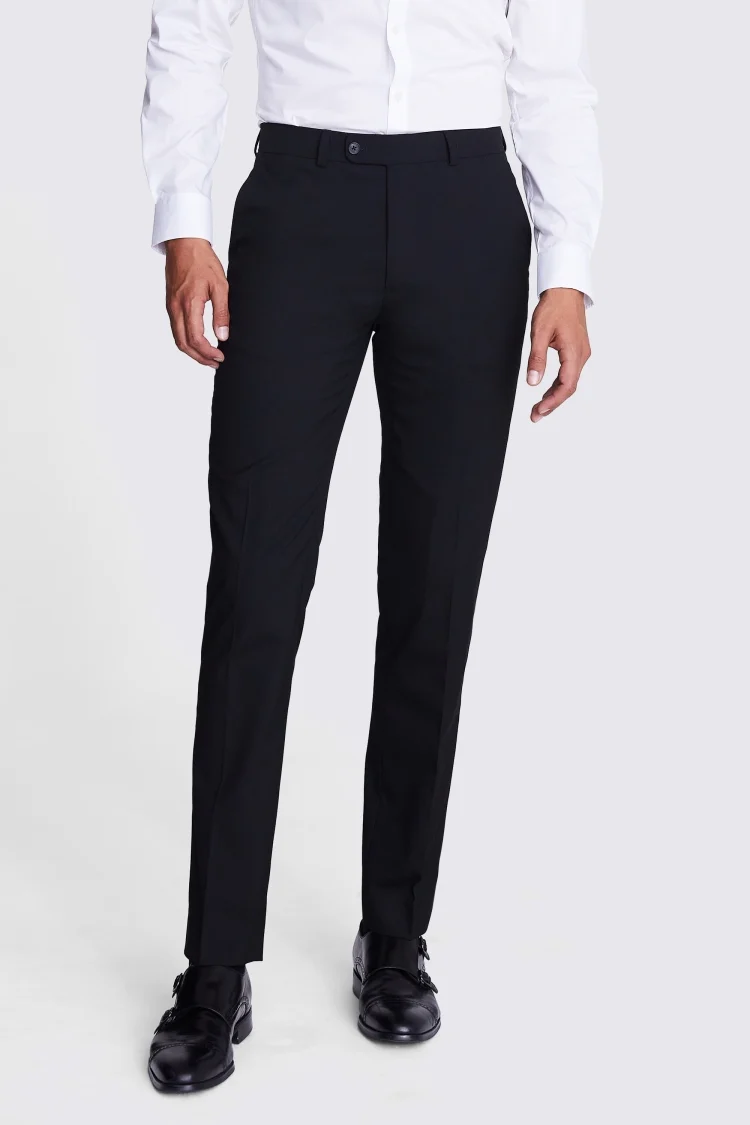
A merino wool polo that regulates temperature, resists odor, and layers cleanly under a blazer is a clear example. So is a tailored trouser with stretch fabric that maintains its shape after long days of wear. These are not experimental pieces; they’re dependable upgrades to everyday staples.
Why American Men Are Embracing This Shift
1. Lifestyle Changes Are Driving Smarter Choices
According to a 2023 McKinsey & Company report on the global fashion market, consumers increasingly value durability and versatility over seasonal trends. For U.S. men, this aligns with work-from-anywhere routines and hybrid schedules that require flexible wardrobes.
Instead of maintaining separate closets for work, weekends, and travel, men are consolidating around fewer, better items that transition seamlessly across settings.
2. Cost-per-Wear Is Replacing Impulse Buying
American shoppers are becoming more analytical. Rather than focusing solely on the upfront cost, many now evaluate how often an item will realistically be worn. A $400 jacket that’s worn twice a week for years feels more justified than multiple cheaper alternatives that wear out or feel dated quickly.
This mindset has elevated brands known for quality and restraint, including heritage labels like Ralph Lauren, alongside modern performance-focused companies.
3. Comfort Is No Longer Optional
The pandemic permanently recalibrated expectations around comfort. Fabrics that stretch, breathe, and move naturally are now baseline requirements—even in tailored clothing. Men are no longer willing to sacrifice physical ease for visual polish, and designers have responded accordingly.
The Hallmarks of Practical Luxury in Today’s Wardrobe
While the category is broad, several consistent characteristics define practical luxury across menswear.
Fabric Innovation with Purpose
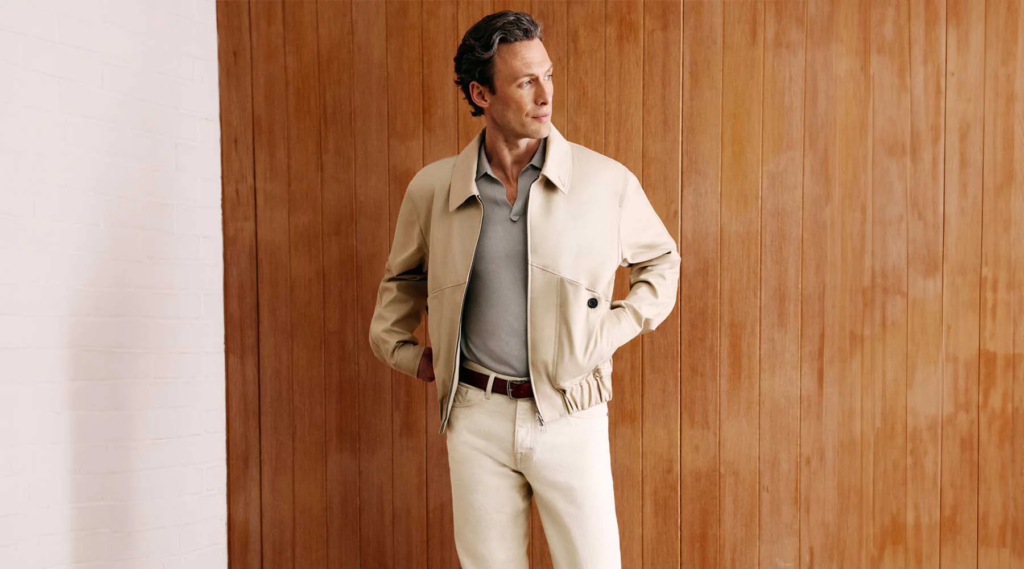
Premium doesn’t just mean expensive—it means intentional. Technical wools, brushed cottons, Japanese denim, and responsibly sourced cashmere are selected not only for feel, but for performance.
Subtle Craftsmanship Over Status Signaling
Logos are smaller or absent. Stitching, fabric weight, and fit do the talking. This understated approach appeals to men who value discernment over display.
Neutral, Flexible Color Palettes
Earth tones, navy, charcoal, and soft whites dominate because they mix easily and age well. These palettes reduce decision fatigue and extend a garment’s lifespan.
How Practical Luxury Shows Up Across Key Categories
Workwear That Adapts
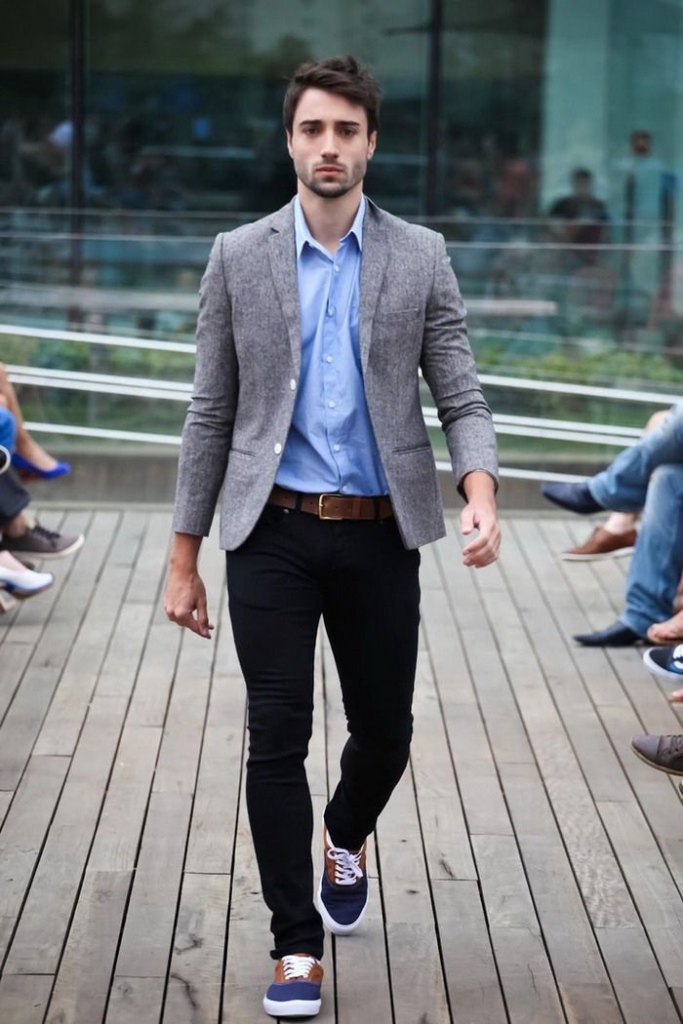
Modern tailoring has softened. Blazers now include stretch linings and unstructured shoulders, while dress shirts incorporate moisture-wicking properties. The goal is polish without rigidity.
Elevated Casualwear
Premium knitwear, refined outerwear, and clean sneakers have become foundational pieces. Brands known for durability, such as Patagonia, have influenced expectations around performance even outside traditional outdoor contexts.
Travel-Ready Essentials
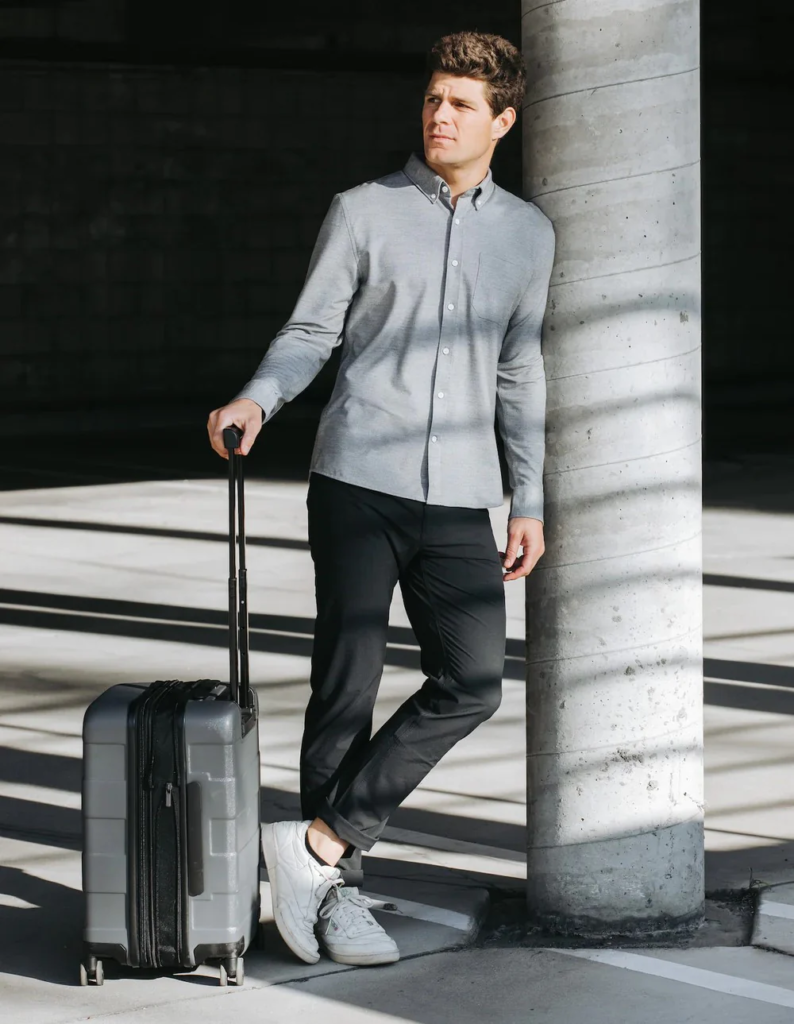
Frequent travelers increasingly favor wrinkle-resistant trousers, lightweight layers, and shoes that balance support with sophistication. Practical luxury excels here, offering garments designed for long days and varied climates.
Is Practical Luxury Sustainable—or Just Another Label?
Sustainability is often discussed alongside practical luxury, and for good reason. While not all premium clothing is sustainable, the emphasis on longevity aligns naturally with reduced consumption. Buying fewer, better-made garments lowers turnover and waste.
Some brands have gone further by investing in traceable supply chains and ethical production. Others focus on repair programs and timeless design to extend product life. The common thread is intention—designing with long-term use in mind rather than short-term novelty.
Common Questions Men Ask When Adopting This Style
Many American men exploring practical luxury share similar concerns:
- Do I need to replace my entire wardrobe?
No. Most start by upgrading key items—outerwear, shoes, and knitwear—before expanding gradually. - Is practical luxury only for professionals?
Not at all. Its appeal spans age groups and lifestyles, from young professionals to retirees. - Can this style work in warmer climates?
Yes. Breathable fabrics and lighter constructions are central to the approach.
The Cultural Influence Behind the Movement
Beyond fashion, practical luxury mirrors broader cultural values. There’s a growing appreciation for craftsmanship, restraint, and authenticity across American consumer culture—from home design to food and technology. In menswear, this translates into pieces that feel personal, reliable, and quietly confident.
Designers often cite Italian lifestyle brands such as Brunello Cucinelli as early influences, but the American interpretation is more pragmatic, rooted in versatility and everyday wearability.
How to Start Building a Practical Luxury Wardrobe
For men looking to adopt this approach without overthinking it, a few guiding principles help:
- Prioritize fit above all else
- Choose fabrics appropriate for your climate and routine
- Invest first in items you wear most often
- Avoid trend-driven details that limit longevity
The goal isn’t perfection—it’s progress toward a wardrobe that works harder and lasts longer.
FAQs: Practical Luxury in Men’s Fashion
1. What is practical luxury in men’s fashion?
Practical luxury refers to high-quality men’s clothing designed for everyday use, combining premium materials, thoughtful construction, and comfort with understated style. Instead of focusing on logos or trends, it prioritizes durability, versatility, and real-life wearability.
2. How is practical luxury different from traditional luxury?
Traditional luxury often emphasizes exclusivity, status symbols, and formal aesthetics. Practical luxury shifts the focus to function, comfort, and longevity—offering refined clothing that works across work, travel, and casual settings without sacrificing quality.
3. Is practical luxury worth the higher price?
For many men, yes. While the upfront cost is higher, practical luxury pieces tend to last longer, fit better, and be worn more frequently. Over time, this often results in a lower cost per wear compared to cheaper, trend-driven alternatives.
4. Which fabrics are most common in practical luxury clothing?
Common fabrics include merino wool, high-grade cotton, linen blends, cashmere, Japanese denim, and technical stretch materials. These fabrics are chosen for breathability, durability, comfort, and their ability to maintain shape over time.
5. Can practical luxury be casual?
Absolutely. Practical luxury is especially visible in elevated casualwear—such as refined knitwear, premium T-shirts, relaxed tailoring, and minimalist sneakers. The emphasis is on comfort and polish rather than formality.
6. How does practical luxury support sustainability?
By encouraging fewer purchases and longer use, practical luxury naturally reduces waste. Many brands also invest in better sourcing, ethical manufacturing, and repair-friendly designs, making sustainability a functional outcome rather than a marketing claim.
7. Is this style appropriate for younger men?
Yes. Younger men often adopt practical luxury through capsule wardrobes, versatile basics, and quality footwear. It aligns well with minimalist lifestyles, budget-conscious decision-making, and a preference for timeless over trendy clothing.
8. How many pieces should a practical luxury wardrobe include?
There’s no fixed number, but most practical luxury wardrobes focus on a core set of versatile essentials—often 25–40 items—that cover work, casual, and social needs. The goal is flexibility, not volume.
9. Does practical luxury apply to footwear as well?
Yes. Footwear is a key category, with emphasis on comfort, support, and quality materials. Well-constructed leather shoes, versatile boots, and minimalist sneakers are common examples that balance durability with refined appearance.
Where Function and Refinement Finally Meet
Practical luxury represents a turning point in men’s fashion—one where clothing is judged not just by how it looks, but by how well it supports daily life. As American men continue to value flexibility, comfort, and longevity, this approach offers a grounded alternative to trend cycles that fade quickly. It’s not about owning more; it’s about choosing better.
Key Signals to Watch Going Forward
- Fewer seasonal overhauls, more incremental upgrades
- Continued blending of tailored and casual silhouettes
- Growing emphasis on material transparency and durability