
Summary
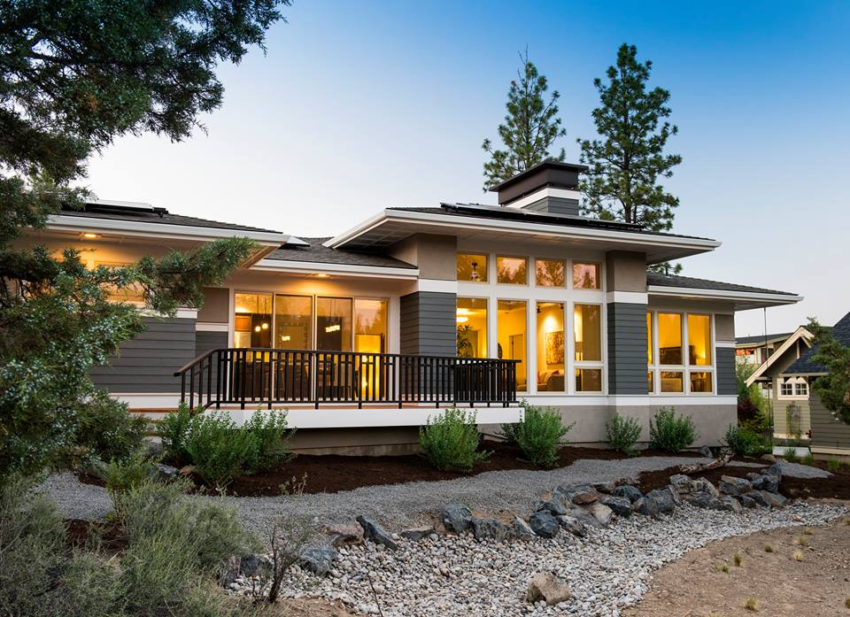
Energy-smart living is becoming a defining feature of modern American homes. Driven by rising utility costs, better technology, and changing homeowner priorities, energy efficiency is no longer niche. This in-depth guide explores why the trend is growing, how it shows up in real homes, and what it means for comfort, costs, and long-term value.
The Quiet Shift Happening in American Homes
Across the United States, a noticeable but often understated change is taking place inside homes. Energy efficiency—once associated mainly with environmental advocacy or niche construction—is becoming a mainstream lifestyle decision. Homeowners are paying closer attention to how their houses use energy, not out of ideology, but practicality.
Higher electricity and gas prices, more time spent at home, and greater awareness of comfort and health have all contributed to this shift. According to the U.S. Energy Information Administration, the average American household spends over $2,000 per year on energy costs, making efficiency improvements one of the few home upgrades that can deliver measurable monthly returns.
What’s different today is not just the availability of energy-efficient products, but how seamlessly they fit into daily life. Energy-smart living is less about sacrifice and more about smarter design, better automation, and thoughtful upgrades that align with modern expectations.
Why Energy-Smart Living Is Gaining Momentum
Several converging forces are accelerating the move toward energy-efficient homes in the U.S.
First, cost predictability matters more than ever. Utility bills have become less stable due to market volatility, extreme weather, and regional infrastructure challenges. Many homeowners see efficiency as a way to regain control over household expenses.
Second, comfort expectations have changed. Americans increasingly expect consistent indoor temperatures, better air quality, and quieter homes. Energy-efficient improvements—such as better insulation or high-performance windows—directly support these goals.
Third, technology has matured. Smart thermostats, efficient HVAC systems, and real-time energy monitoring are easier to use and more reliable than earlier generations. They no longer require technical expertise to deliver value.
Finally, resale considerations play a role. Real estate data consistently shows that energy-efficient features are attractive to buyers, particularly in competitive markets. Efficiency is now part of how Americans evaluate long-term home value.
What Energy-Smart Living Looks Like in Practice
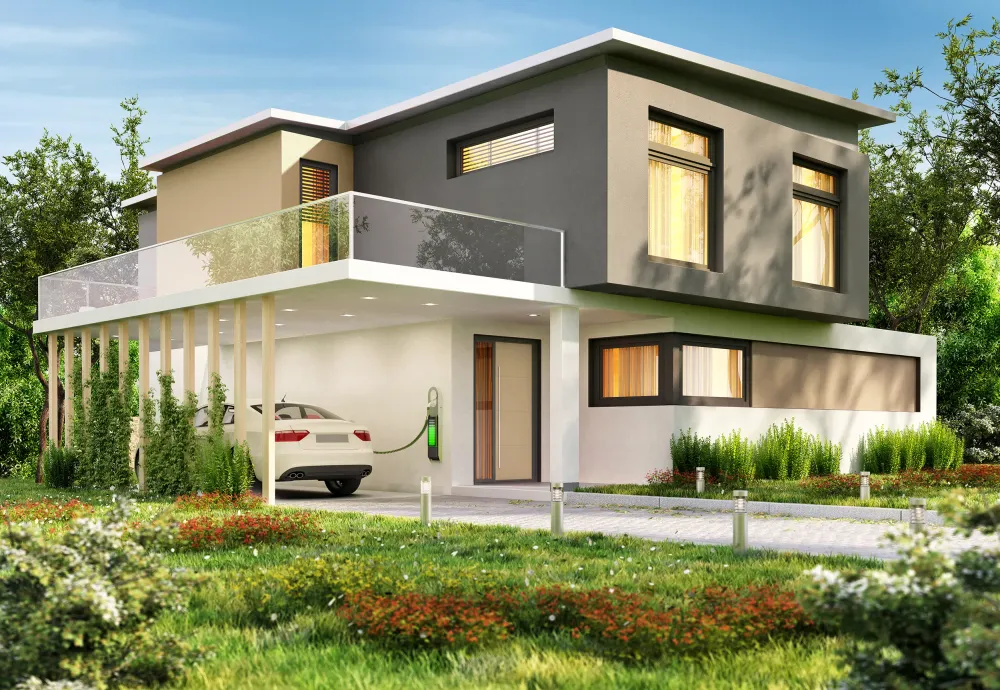
Energy-smart homes are not defined by a single upgrade. Instead, they reflect a combination of choices that work together.
In many cases, the foundation starts with the building envelope. Proper insulation, air sealing, and modern windows reduce energy waste before any technology is added. Homes that address these basics often see immediate improvements in comfort.
From there, homeowners tend to focus on systems:
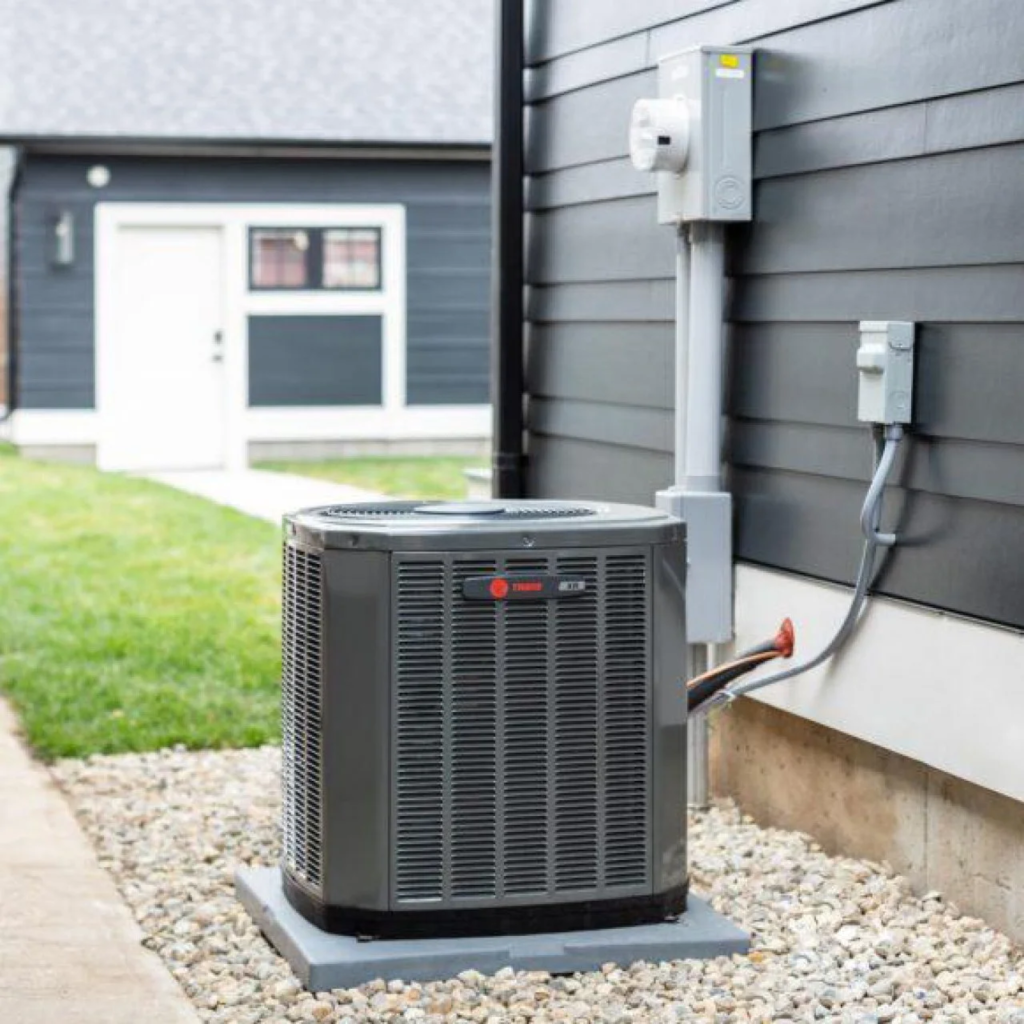
- Heating and cooling upgrades such as high-efficiency heat pumps or variable-speed furnaces
- Water heating improvements, including heat-pump water heaters
- Lighting transitions from incandescent or halogen bulbs to LEDs
Technology then ties everything together. Smart thermostats learn usage patterns. Energy monitors show where power is being consumed. Appliances operate more efficiently without changing how people cook, clean, or live.
What stands out is that most homeowners adopt these changes gradually. Energy-smart living is rarely an all-at-once transformation. It’s a series of practical decisions over time.
Everyday Lifestyle Benefits Beyond the Utility Bill
While savings often motivate the first step, many homeowners discover benefits they didn’t initially expect.
Quieter homes are a common outcome. Better insulation and efficient HVAC systems reduce noise from both outdoors and mechanical equipment. Improved temperature consistency eliminates cold spots and overheated rooms, making homes more livable year-round.
Indoor air quality also improves. Sealed homes with proper ventilation experience fewer drafts, less dust infiltration, and more controlled humidity. For families with allergies or respiratory sensitivities, this can noticeably improve daily comfort.
There is also a psychological benefit. Knowing that a home is operating efficiently gives homeowners confidence, particularly during heat waves, cold snaps, or periods of high energy prices. Energy-smart living reduces uncertainty.
How Regional Differences Shape Energy Choices
Energy efficiency looks different depending on where Americans live.
In colder regions, insulation upgrades and efficient heating systems deliver the greatest returns. In the Midwest and Northeast, weatherization programs have long supported these improvements, and homeowners are increasingly pairing them with smart controls.
In warmer climates, cooling efficiency dominates decision-making. High-efficiency air conditioners, reflective roofing, and shading strategies play a larger role. States like Texas, Arizona, and Florida have seen strong adoption of smart thermostats as homeowners seek relief from rising cooling costs.
In coastal and wildfire-prone areas, energy-smart living often intersects with resilience. Efficient homes paired with backup power solutions offer peace of mind during outages, even if resilience is not the primary goal.
The Role of Incentives and Standards
Public policy has quietly influenced the growth of energy-smart homes. Federal tax credits, state rebates, and utility incentive programs lower the upfront cost of efficiency upgrades.
Programs supported by organizations such as the U.S. Department of Energy and the Environmental Protection Agency have helped standardize efficiency benchmarks and labeling. ENERGY STAR certifications, for example, give consumers a clear way to compare products without technical complexity.
Building codes have also evolved. New homes are now required to meet higher efficiency standards than those built just two decades ago. This has quietly raised the baseline for energy performance across the housing stock.
Common Misconceptions About Energy-Smart Homes
Despite growing adoption, misconceptions persist.
One common belief is that energy efficiency requires lifestyle compromise. In reality, most improvements are invisible once installed. Homeowners do not need to change daily habits to benefit.
Another misconception is that efficiency upgrades only make sense for new construction. Existing homes—especially those built before 2000—often see the greatest relative gains from targeted improvements.
Cost is also frequently misunderstood. While some upgrades require investment, many deliver payback through lower monthly bills. Incentives further improve the financial equation.
How Homeowners Are Getting Started
Most Americans begin their energy-smart journey with information rather than products. Home energy audits, whether conducted professionally or through utility-provided tools, help identify where energy is being lost.
From there, homeowners often prioritize upgrades with the highest impact:
- Air sealing and insulation improvements
- Heating and cooling system evaluations
- Lighting and appliance replacements as older models fail
Importantly, successful projects are usually planned with a long-term perspective. Rather than reacting to emergencies, homeowners who think ahead make more cost-effective decisions.
The Long View: Where Energy-Smart Living Is Headed
Energy-smart living is becoming less of a trend and more of an expectation. As technology continues to integrate seamlessly into homes, efficiency will feel increasingly automatic.
Future developments are likely to focus on better system coordination, where heating, cooling, appliances, and even electric vehicles communicate to optimize energy use. For homeowners, this means less manual management and more consistent results.
What remains constant is the underlying motivation: Americans want homes that are comfortable, predictable, and resilient. Energy-smart living supports all three.
Frequently Asked Questions
1. What does “energy-smart living” actually mean?
It refers to using efficient design, systems, and technology to reduce energy waste while maintaining or improving comfort.
2. Is energy efficiency only about lowering bills?
No. While savings matter, benefits also include comfort, air quality, noise reduction, and long-term home value.
3. Do older homes benefit from energy upgrades?
Yes. Older homes often have the most room for improvement and can see significant gains from insulation and system upgrades.
4. Are smart devices required for an energy-smart home?
No. Many efficiency improvements are passive and require no ongoing interaction.
5. How long does it take to see savings?
Some improvements reduce bills immediately, while others deliver returns over several years.
6. Are incentives still available in the U.S.?
Many federal, state, and utility programs continue to offer rebates and tax credits, though availability varies by location.
7. Does energy efficiency help during extreme weather?
Efficient homes maintain stable indoor conditions longer during outages or extreme temperatures.
8. Is professional help necessary?
While some upgrades are DIY-friendly, audits and major system changes benefit from professional guidance.
9. Will energy-efficient features help with resale?
Yes. Buyers increasingly value lower operating costs and comfort-focused upgrades.
A Shift That’s Redefining the American Home
Energy-smart living reflects a broader rethinking of what homeowners expect from their houses. Efficiency is no longer an add-on—it’s part of how Americans define comfort, control, and confidence at home. As more households experience the everyday benefits, the shift continues quietly but decisively.
Key Signals of the Energy-Smart Movement
- Efficiency is being adopted incrementally, not all at once
- Comfort and predictability are primary drivers
- Technology supports lifestyle goals rather than dictating them
- Energy awareness is becoming a standard homeowner skill