
Today’s most disciplined celebrities treat fitness as structured work, not occasional motivation. From strength training and mobility sessions to recovery protocols and nutrition timing, their daily habits are built around consistency and longevity. This in-depth guide examines how actors, musicians, and athletes train, recover, and stay accountable—and how Americans can realistically adapt those principles into sustainable routines.
Why Celebrity Fitness Routines Draw So Much Attention
Celebrity fitness has long influenced American workout culture. From home aerobics tapes in the 1980s to today’s strength-focused training programs, public figures often shape trends. However, the modern conversation has shifted. The emphasis is no longer purely aesthetic. It’s about performance, injury prevention, metabolic health, and mental resilience.
When actors such as Dwayne Johnson or Jennifer Aniston share structured routines, Americans want to understand what’s realistic versus what’s role-specific preparation. Similarly, performers like Taylor Swift incorporate endurance conditioning to sustain multi-hour concerts, while actors such as Chris Hemsworth train for physically demanding film roles.
The takeaway isn’t imitation—it’s translation. What principles can everyday professionals use without access to private trainers and production budgets?
According to the CDC, only about 24% of American adults meet both aerobic and muscle-strengthening guidelines. Studying disciplined celebrity habits can illuminate the structure many Americans lack: planning, recovery, and measurable progression.
The Morning Discipline: How Structured Days Begin
One common pattern among disciplined celebrities is early, intentional mornings. While not everyone trains at 4 a.m., consistency is non-negotiable.
Dwayne Johnson has spoken publicly about training before sunrise to minimize interruptions. Jennifer Aniston often integrates morning yoga or Pilates before filming commitments. The pattern is clear: workouts are scheduled as priority appointments.
What this means in practical terms:
- Training occurs at a fixed time daily.
- Phones and meetings are secondary during workout windows.
- Preparation (clothes, hydration, meal timing) happens the night before.
- Workouts are tracked for accountability.
Exercise science supports routine timing. Research published in the journal Obesity suggests consistent workout timing may improve adherence long term.
For American professionals juggling work and family, this translates into:
- Protecting a 30–60 minute window.
- Reducing decision fatigue by pre-planning sessions.
- Treating workouts as calendar commitments, not optional tasks.

Strength Training as the Foundation
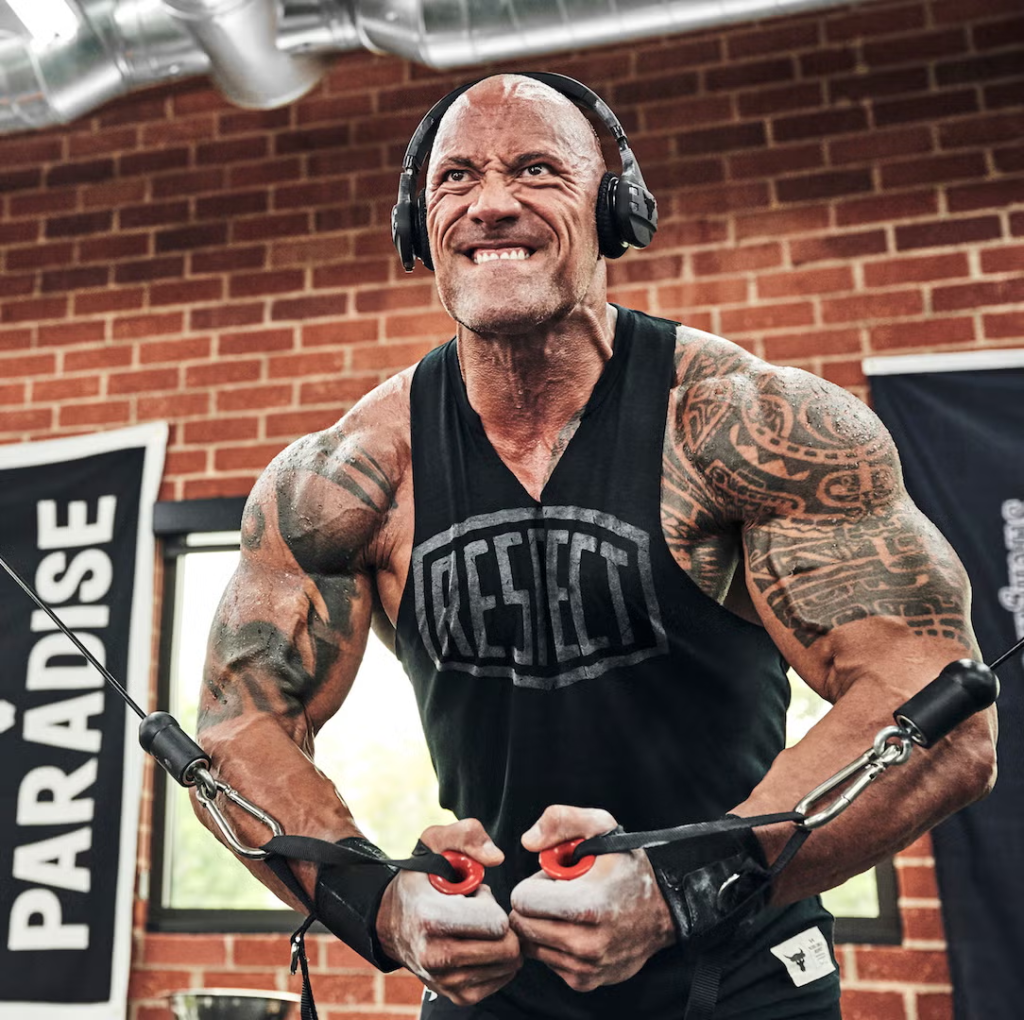
Contrary to outdated stereotypes, today’s disciplined celebrities prioritize strength training. This is consistent with guidelines from the American College of Sports Medicine, which recommends at least two days per week of resistance training for adults.
Actors preparing for physically demanding roles—such as Chris Hemsworth—often focus on compound lifts:
- Squats
- Deadlifts
- Pull-ups
- Bench presses
- Overhead presses
Even celebrities known for lean physiques incorporate resistance training. Jennifer Aniston, for example, blends Pilates, light weights, and resistance bands to preserve joint health.
Strength training offers benefits that extend beyond appearance:
- Improved bone density
- Enhanced insulin sensitivity
- Increased resting metabolic rate
- Injury resilience
For readers asking, “Do celebrities lift heavy every day?” the answer is typically no. Programs cycle intensity. A disciplined week may include:
- 3–4 strength sessions
- 1–2 mobility or yoga days
- 1 active recovery day
Structured variation prevents overtraining.
Cardio With Purpose, Not Punishment
Modern celebrity fitness increasingly rejects excessive steady-state cardio. Instead, conditioning is goal-driven.
Taylor Swift reportedly trained for tour endurance by running her entire setlist on a treadmill, gradually increasing stamina. That approach wasn’t about calorie burn—it was performance rehearsal.
High-profile actors often use interval training, boxing, rowing, or sled pushes for cardiovascular conditioning. These methods:
- Elevate heart rate efficiently.
- Preserve lean muscle.
- Improve functional athleticism.
The American Heart Association recommends at least 150 minutes of moderate aerobic activity per week. Disciplined celebrities typically exceed that threshold—but through structured programming, not random sessions.
For the average American, this might mean:
- Two 20-minute interval sessions weekly.
- One longer moderate-intensity cardio day.
- Avoiding daily high-intensity burnout.
Recovery Is Treated as Work
Perhaps the most overlooked component of celebrity fitness is recovery.
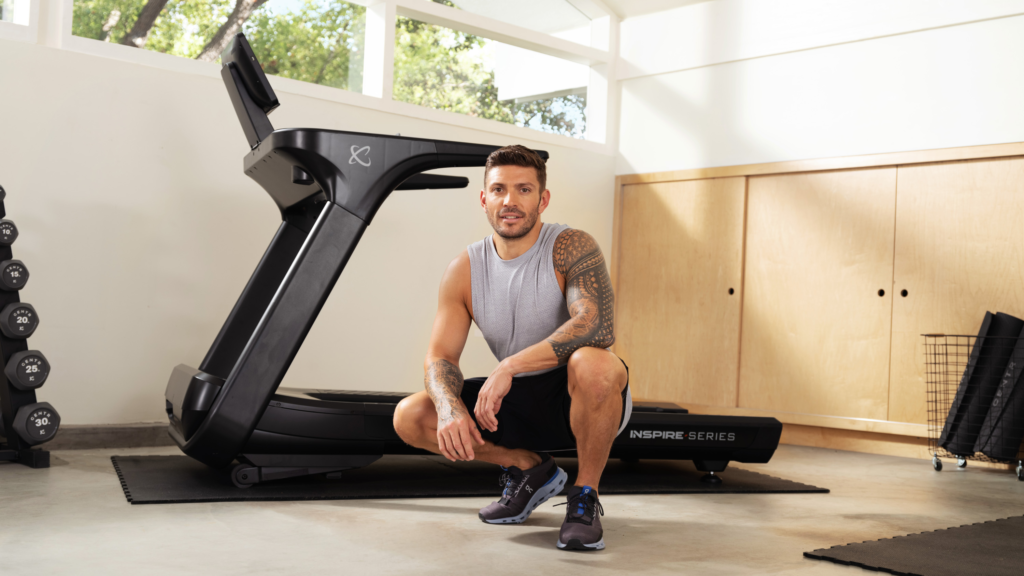
Professional trainers often emphasize that progress occurs during rest, not during workouts. Celebrities commonly integrate:
- Sleep optimization (7–9 hours nightly)
- Massage therapy
- Ice baths or cold plunges
- Sauna sessions
- Stretching and mobility work
The National Sleep Foundation confirms that adults who sleep fewer than six hours per night face higher risks of metabolic and cardiovascular issues. Many disciplined celebrities structure filming schedules around sleep when possible.
Recovery principles Americans can adopt:
- Schedule one true rest day weekly.
- Incorporate 10 minutes of mobility daily.
- Avoid back-to-back high-intensity days.
- Track sleep consistency.
Nutrition: Structured but Not Extreme
Search interest around celebrity fitness often centers on diet. Are restrictive plans required? Generally, disciplined celebrities work with registered dietitians who emphasize sustainability.
Common patterns include:
- Prioritizing lean protein for muscle repair.
- Incorporating whole-food carbohydrates for energy.
- Hydration targets (often one gallon daily for larger athletes).
- Strategic meal timing around workouts.
Extreme detoxes are less common than social media suggests. Instead, nutrition plans aim to support performance and hormonal balance.
For American readers, useful principles include:
- Aim for 0.7–1 gram of protein per pound of bodyweight when strength training regularly.
- Balance each meal with protein, fiber, and healthy fats.
- Avoid drastic caloric cuts unless medically supervised.

Accountability Systems That Keep Them Consistent
Celebrity discipline is rarely self-generated. It’s supported by accountability structures:
- Personal trainers
- Performance coaches
- Nutrition consultants
- Filming deadlines
- Contractual obligations
While most Americans don’t have film contracts, accountability can be recreated through:
- Hiring a certified trainer (even short-term).
- Joining small-group training.
- Using wearable fitness trackers.
- Scheduling fitness check-ins with a friend.
Research from the American Society of Training and Development found that people are 65% more likely to complete a goal if they commit to someone else—and 95% more likely if they have ongoing accountability meetings.
Mental Resilience and Stress Management
Fitness routines often double as stress regulation. Actors working on demanding sets face long hours and travel. Structured exercise provides psychological stability.
Studies from Harvard Medical School confirm that regular physical activity reduces symptoms of anxiety and depression. Many celebrities incorporate:
- Breathwork
- Meditation
- Cold exposure
- Structured downtime
Jennifer Aniston has publicly discussed integrating mindfulness alongside physical training. The combination supports longevity.
What Americans Get Wrong About Celebrity Fitness
There are common misconceptions:
- Assuming workouts are extreme daily.
- Believing genetics replace discipline.
- Thinking results appear quickly.
- Ignoring recovery demands.
In reality, the defining characteristic is consistency.
Disciplined celebrities train 4–6 days weekly, adjust intensity seasonally, and work under professional guidance. They treat health as infrastructure—not temporary preparation.
Frequently Asked Questions
1. Do celebrities really work out every day?
Most train 4–6 days per week with structured rest days.
2. How long are celebrity workouts?
Sessions typically last 45–90 minutes depending on goals.
3. Do celebrities follow extreme diets?
Most work with dietitians and focus on balanced, sustainable nutrition.
4. Is lifting heavy necessary?
Not always. Resistance training is important, but intensity varies by goal.
5. How do celebrities avoid burnout?
Through periodized training, sleep prioritization, and recovery planning.
6. Do they use personal trainers full time?
Often during filming or tours; less intensively between projects.
7. Can beginners follow celebrity routines?
Elements can be adapted, but beginners should start gradually.
8. How important is sleep in fitness results?
Extremely. Sleep directly affects hormone regulation and muscle repair.
9. What equipment do celebrities use?
A mix of free weights, resistance bands, cardio machines, and functional tools.
10. What’s the biggest lesson from disciplined celebrities?
Consistency outweighs intensity.
Discipline Over Drama: What Truly Sustains Results
The defining trait of disciplined celebrities is not superhuman genetics or dramatic transformations. It is structured repetition. Workouts are scheduled. Recovery is respected. Nutrition is measured. Accountability is built in.
For American readers navigating busy careers, the lesson is practical: adopt systems, not extremes. Consistency, intelligent programming, and recovery awareness are more sustainable than chasing trends.
Celebrity fitness becomes less mysterious when viewed through this lens—it is disciplined project management applied to health.
Core Habits That Translate to Real Life
- Schedule workouts like meetings.
- Strength train at least twice weekly.
- Limit high-intensity cardio to strategic sessions.
- Protect sleep aggressively.
- Use accountability tools.
- Emphasize recovery.
- Avoid unsustainable diet extremes.