
Summary
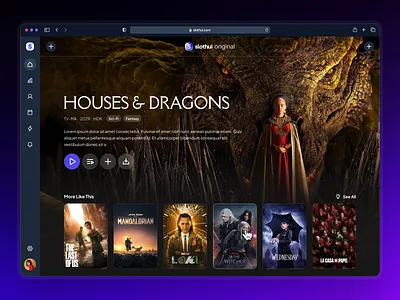
Web series and streaming platforms have reshaped Hollywood’s power structure, creating a new class of influential talent that blends creative control, audience data, and global reach. This article explains how OTT storytelling produces modern power players—actors, creators, and producers—who build leverage outside traditional studios, redefine career paths, and influence what audiences watch next.
For most of Hollywood’s history, power followed a familiar path. Studios controlled budgets. Networks controlled access. Talent climbed carefully managed ladders. Today, that structure still exists—but it no longer defines who holds influence.
Web series and streaming-first productions have created a new kind of Hollywood power player: one who gains leverage not through legacy gatekeepers, but through audience loyalty, platform data, and creative ownership. This shift is not theoretical. It’s already changing casting decisions, deal structures, and how careers are built in the U.S. entertainment industry.
This article explores how web series are producing these power players, what makes them different from traditional stars, and why the change matters for creators, studios, and audiences alike.
The End of the Traditional Hollywood Gatekeeping Model
For decades, Hollywood influence flowed through a narrow set of institutions. Major studios, broadcast networks, and talent agencies acted as gatekeepers, determining which projects reached audiences and which performers advanced.
Streaming platforms altered that balance by removing scarcity from distribution. When audiences can access thousands of titles instantly, success depends less on a single prime-time slot and more on sustained engagement.
This structural change matters because it redefines how influence is earned. Instead of waiting for approval from executives, creators can prove their value directly to viewers. Metrics such as completion rates, repeat viewing, and international reach now inform creative decisions in ways Nielsen ratings never could.
According to industry data cited by Deloitte, streaming platforms increasingly rely on performance analytics to greenlight projects and renegotiate talent deals. Influence is no longer speculative—it’s measurable.
What Defines the New Hollywood Power Player?
The modern power player emerging from web series is not defined solely by fame. Their influence comes from a combination of factors that reinforce one another over time.
They typically possess:
- Direct audience relationships across platforms
- Demonstrated on-screen or creative consistency
- Data-backed proof of audience engagement
- Increasing control over creative direction
Unlike traditional stars whose leverage peaks after a breakout role, streaming-era power players often build momentum gradually. Each season, spin-off, or adjacent project strengthens their negotiating position.
This model rewards reliability as much as visibility. A performer who anchors a successful web series for multiple seasons may wield more influence than a network actor with higher name recognition but lower engagement metrics.
How Web Series Create Leverage, Not Just Exposure
Early web series were often dismissed as stepping stones. That perception no longer holds. Today’s high-quality streaming productions offer something more valuable than exposure: leverage.
Web series allow creators and actors to demonstrate long-term audience retention. This matters because platforms prioritize content that keeps subscribers engaged month after month.
Consider how many streaming stars transitioned from relatively unknown performers to sought-after leads because they proved capable of sustaining viewership. Their leverage didn’t come from awards buzz—it came from platform performance data that executives could not ignore.
In practical terms, this leverage shows up in:
- Higher per-episode compensation over time
- Producer or executive producer credits
- Input on casting and writing decisions
- Multi-project development deals
These advantages accumulate, transforming web series leads into decision-makers rather than just hired talent.
Creative Control as the New Currency of Power
One of the most significant shifts enabled by web series is the redistribution of creative control. Traditional television often limited actors to narrowly defined roles. Streaming, by contrast, rewards voices that feel specific and authentic.
As a result, power players increasingly operate as hybrids: actor-creators, writer-performers, or producer-led stars. They influence tone, pacing, and representation in ways that were previously rare.
This creative involvement benefits platforms as well. Streaming services compete on originality, not just star power. Allowing proven creators greater autonomy reduces risk while differentiating content libraries.
In this environment, influence is measured by trust. When a creator consistently delivers audience engagement, platforms are more willing to loosen oversight.
Audience Trust and the Shift in Celebrity Perception
American audiences increasingly value relatability and consistency over spectacle. Web series often foster stronger parasocial relationships because viewers spend more time with characters across seasons and formats.
This trust changes how celebrity works. The new power player is perceived less as an untouchable figure and more as a reliable presence in viewers’ entertainment routines.
That perception has tangible consequences:
- Viewers follow creators across platforms
- Social engagement feels organic rather than manufactured
- Audience loyalty transfers to new projects
In an era of fragmented attention, this kind of trust is exceptionally valuable. It explains why platforms invest heavily in creators who can sustain it.
Why Streaming Platforms Amplify Power Faster Than Networks
Streaming platforms compress timelines. What once took a decade can now happen in a few years. A successful web series can generate global reach almost immediately, exposing creators to audiences far beyond U.S. borders.
This acceleration creates leverage earlier in careers. When a show performs well internationally, talent gains negotiating power not just domestically, but across markets.
Platforms also benefit from long-term associations. Developing stars internally reduces reliance on expensive external acquisitions. As a result, streaming services increasingly act as talent incubators rather than just distributors.
This mutually reinforcing dynamic explains why web series are now central—not peripheral—to Hollywood’s power structure.
Experience-Based Career Paths Are Replacing Traditional Ladders
One of the clearest signals of change is how careers now progress. The traditional ladder—guest role, recurring role, series regular—has given way to portfolio-based advancement.
Web series creators often build influence by stacking experiences:
- Acting in one series
- Writing or producing another
- Developing an original concept alongside a platform
Each success compounds the next. This model favors adaptability and long-term thinking over short-term visibility.
For emerging talent, the implication is clear: ownership and consistency matter as much as casting.
Data, Not Just Buzz, Drives Decision-Making
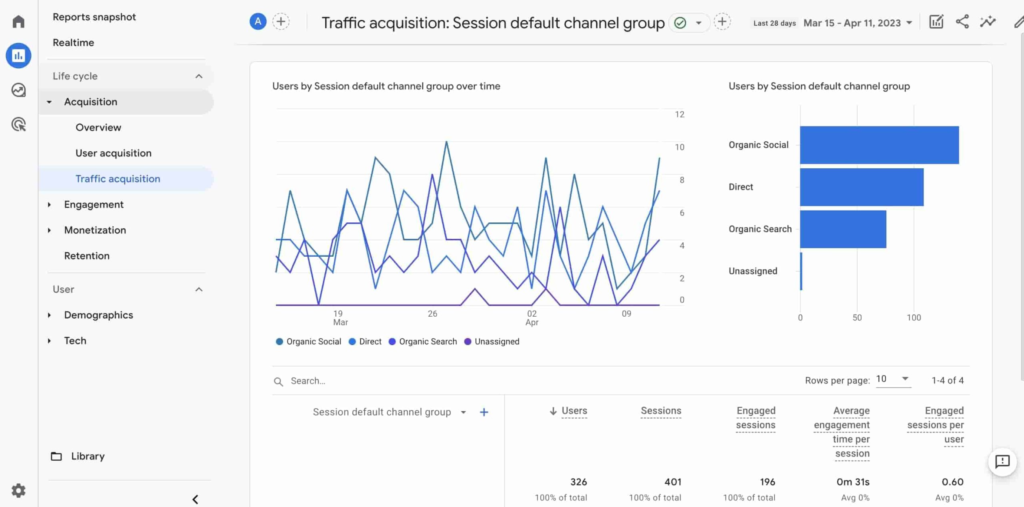
Hollywood has always relied on intuition. Streaming adds accountability. Platforms analyze how viewers interact with content at a granular level, from episode drop-off rates to rewatch behavior.
Power players understand this ecosystem. They make creative decisions informed by audience response rather than awards cycles alone.
This data-driven environment also reduces reliance on traditional publicity. Sustained engagement often matters more than press coverage, especially for renewals and development deals.
For readers wondering why certain web series stars seem to reappear across platforms, the answer is simple: their numbers justify it.
The Long-Term Impact on Hollywood’s Power Structure
The rise of web series power players does not eliminate traditional Hollywood hierarchies—it reshapes them. Studios and agencies still matter, but they now compete with platforms and creators who command their own audiences.
Over time, this shift is likely to produce a more diversified ecosystem. Influence will be distributed among performers, creators, and producer-led brands rather than concentrated in a few institutions.
For audiences, this means more varied storytelling. For talent, it means more paths to meaningful influence. For Hollywood, it represents a recalibration of who truly holds power.

Frequently Asked Questions
Are web series really more influential than network television today?
In terms of audience engagement and global reach, many web series outperform traditional network shows, especially among younger viewers.
Do web series actors earn less than traditional TV actors?
Early seasons often pay less, but successful streaming actors can surpass network compensation through renewals and backend deals.
Why do streaming platforms favor creator-led projects?
Creator-led projects reduce risk by aligning creative vision with audience expectations and proven engagement metrics.
Can web series success translate into film careers?
Yes. Many streaming performers transition into film roles once they demonstrate sustained audience loyalty.
Is data really that important in casting decisions?
Yes. Platforms rely heavily on viewership data to assess risk and forecast audience response.
Do agencies still matter for streaming stars?
Agencies remain important, but talent with proven streaming success often negotiates from a stronger position.
Are web series only beneficial for younger actors?
No. Streaming platforms value diverse age groups and often offer opportunities overlooked by traditional TV.
How long does it take to become a power player through web series?
There is no fixed timeline, but consistent performance over multiple seasons is a common factor.
Will this trend continue long-term?
All indicators suggest that streaming-first power structures will remain central to Hollywood’s future.
Where Influence Is Quietly Being Rewritten
Hollywood power no longer announces itself with fanfare. It accumulates quietly, episode by episode, viewer by viewer. Web series have become the proving ground where influence is measured, refined, and rewarded.
The new power players are not defined by tradition or hype. They are defined by consistency, trust, and the ability to deliver stories audiences choose—again and again.
Signals That Define Today’s Streaming-Era Power Players
- Audience retention matters more than one-time visibility
- Creative control is earned through reliability, not reputation
- Data-backed success drives long-term leverage
- Ownership and adaptability shape sustainable careers