
Summary
Sustainability is no longer a niche concern in the United States. It’s influencing how Americans design their homes, choose products, and plan travel—often in practical, cost-conscious ways. This article explores how environmental awareness is reshaping daily life, consumer behavior, and mobility, drawing on real-world examples, credible data, and evolving cultural norms.
The Quiet Shift From Ideals to Everyday Decisions
Over the past decade, sustainability in the U.S. has moved from an abstract environmental ideal to a set of everyday choices. For many Americans, it’s less about activism and more about practicality: lowering utility bills, avoiding waste, and choosing products that last.
According to data from the Pew Research Center, a majority of U.S. adults now say they consider environmental impact at least “somewhat” when making purchasing decisions. This shift is especially visible among Millennials and Gen Z, but it increasingly cuts across age and income levels.
What’s notable is how incremental the change has been. Instead of radical lifestyle overhauls, most households are adopting sustainability through manageable adjustments—energy-efficient appliances, reduced food waste, and more thoughtful consumption. These small decisions, multiplied across millions of households, are reshaping American life in tangible ways.
Sustainable Living at Home: Efficiency Over Idealism
For American households, sustainability often begins at home. Rising energy costs, water scarcity concerns in some regions, and greater transparency around utility usage have pushed efficiency into the mainstream.
Homeowners and renters alike are paying closer attention to how their living spaces consume resources. Smart thermostats, LED lighting, and high-efficiency washers and dryers have moved from “green upgrades” to standard home improvements. Programs supported by the U.S. Department of Energy estimate that energy-efficient homes can reduce utility costs by 20–30% over time.
Beyond energy use, sustainability is influencing how Americans furnish and maintain their homes:
- Choosing durable furniture over fast, disposable options
- Buying secondhand or refurbished items
- Reducing single-use household products
- Composting food scraps where local infrastructure allows
These practices are often framed less as environmental sacrifices and more as ways to save money, reduce clutter, and simplify daily life.

How Sustainability Is Changing the Way Americans Shop
Shopping habits in the U.S. have undergone a significant transformation. Sustainability now intersects with concerns about quality, transparency, and long-term value.
Many consumers are paying closer attention to where products come from and how they are made. Labels such as “recyclable,” “organic,” and “ethically sourced” carry weight, but trust matters. Surveys from the Nielsen show that American shoppers are more likely to support brands that provide clear, verifiable information rather than vague environmental claims.
Retailers have responded by adjusting both product offerings and messaging. Refill stations, recycled packaging, and buy-back programs for used goods are becoming more common, especially in apparel and consumer electronics. Importantly, sustainability is no longer confined to premium price points; major retailers now offer eco-conscious options alongside conventional products.
For many households, the shift looks like this:
- Buying fewer items, but choosing higher quality
- Comparing durability and repairability before price alone
- Supporting local producers when possible
- Reducing impulse purchases tied to short-lived trends
These patterns suggest that sustainability is reinforcing—not replacing—traditional American values around thrift and practicality.
Food Choices and the Rise of Conscious Consumption
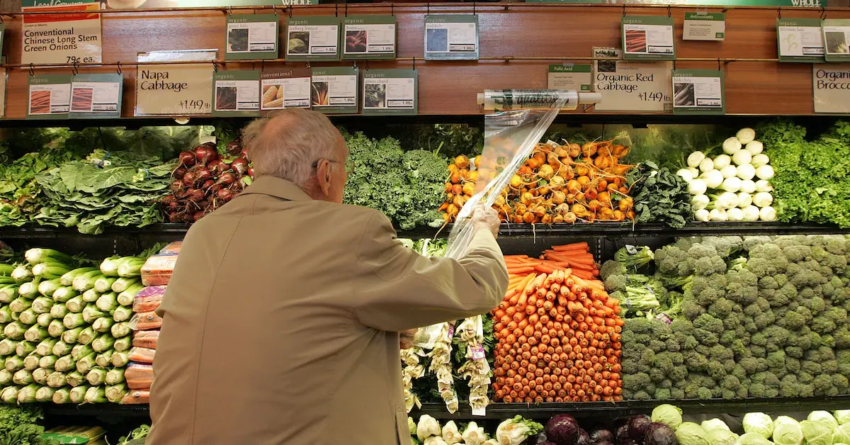
Food is one of the most visible areas where sustainability intersects with daily life. Americans are increasingly aware of how food production affects land use, water resources, and climate emissions.
Data from the U.S. Department of Agriculture indicates steady growth in demand for organic produce, plant-forward meals, and locally sourced foods. While not everyone is adopting vegetarian or vegan diets, many households are reducing meat consumption or choosing sustainably raised options.
Food waste reduction has also become a focal point. Apps that help track expiration dates, meal planning strategies, and clearer “best by” labeling have helped households cut down on unnecessary waste—saving money while reducing environmental impact.
What stands out is how sustainability in food choices often aligns with health goals. Fresher ingredients, simpler meals, and less processed food are widely seen as both environmentally responsible and personally beneficial.

Sustainable Travel: Rethinking How Americans Move
Travel is another area undergoing quiet but meaningful change. While Americans still value mobility and exploration, sustainability is influencing how trips are planned and experienced.
Domestic travel has gained renewed attention, particularly trips that emphasize regional destinations, national parks, and smaller communities. This trend reduces long-haul flights while supporting local economies. The National Park Service has reported record visitation in recent years, reflecting growing interest in nature-based travel.
When flying is necessary, travelers are increasingly aware of carbon footprints. Some airlines now offer emissions transparency or optional carbon offset programs. Ground transportation is also evolving, with electric and hybrid vehicles becoming more common for road trips.
Sustainable travel decisions often include:
- Choosing accommodations with energy and water efficiency programs
- Using public transit or walking in urban destinations
- Traveling less frequently but staying longer
- Supporting local businesses rather than global chains
Rather than limiting travel, sustainability is encouraging more intentional and meaningful experiences.
The Role of Technology in Sustainable Lifestyles
Technology has played a central role in making sustainable choices more accessible. Real-time energy monitoring, digital receipts, ride-sharing platforms, and online resale marketplaces all lower the friction of living more sustainably.
Smart home systems allow households to track and reduce energy use without constant attention. Online tools make it easier to compare products based on environmental criteria. Even everyday apps—like grocery delivery services—are experimenting with lower-waste packaging and optimized delivery routes.
Importantly, technology has also increased accountability. Consumers now expect measurable data, not just marketing language. This transparency is helping sustainability mature from a branding trend into a practical framework for decision-making.
Economic and Social Impacts Americans Are Noticing
Sustainability is often discussed in environmental terms, but its economic and social implications are just as significant. Energy efficiency retrofits create local jobs. Circular economy models—repair, resale, reuse—support small businesses and community-based services.
At the household level, many Americans are discovering that sustainable choices often align with financial resilience. Lower energy bills, reduced waste, and longer-lasting products provide stability in an uncertain economic environment.
Socially, sustainability has become a shared reference point across communities. Whether through neighborhood composting programs or local farmers’ markets, it fosters connection around shared resources and goals rather than ideology.
Addressing Common Questions and Misconceptions
Despite growing adoption, questions remain. Many Americans still wonder whether sustainable living is affordable, convenient, or impactful at an individual level. Evidence increasingly suggests that while no single action is transformative on its own, cumulative behavior change matters—especially when supported by infrastructure and policy.
Sustainability today is less about perfection and more about progress. It’s about making informed choices within real-world constraints, a mindset that resonates with American pragmatism.

Frequently Asked Questions
Is sustainable living expensive in the U.S.?
Not necessarily. Many sustainable choices, such as energy efficiency and waste reduction, save money over time.
Do individual actions really make a difference?
Yes, especially when adopted widely. Individual behavior also drives market and policy changes.
Is eco-friendly shopping reliable or mostly marketing?
It varies. Transparent labeling and third-party certifications are generally more trustworthy.
How can renters live more sustainably?
Renters can focus on energy-efficient appliances, reduced waste, and mindful consumption.
Is sustainable travel realistic for families?
Yes. Road trips, regional destinations, and longer stays are often both sustainable and family-friendly.
Are electric vehicles necessary for sustainable living?
No. Public transit, carpooling, and efficient gasoline vehicles also reduce impact.
Does sustainable food mean giving up meat?
Not necessarily. Many Americans adopt “less but better” approaches to meat consumption.
How can sustainability fit into busy lifestyles?
Automation, smart technology, and gradual habit changes make it manageable.
Is sustainability a long-term trend in the U.S.?
Data suggests it is becoming embedded in economic and cultural systems rather than fading.
Where These Changes Are Leading
Sustainability in the United States is no longer defined by dramatic gestures or niche lifestyles. It’s becoming woven into how Americans define value, comfort, and responsibility. As infrastructure improves and information becomes clearer, sustainable choices are likely to feel less like alternatives and more like defaults—quietly shaping the future of everyday life.
Key Signals to Watch Going Forward
- Greater transparency in product sourcing and labeling
- Expanded access to energy-efficient housing
- Continued growth in domestic and nature-based travel
- Broader adoption of circular economy services
- Stronger alignment between sustainability and affordability