
Summary
Streaming platforms are reshaping how celebrity works in America—changing who becomes famous, how audiences connect with stars, and what long-term influence looks like. This shift favors consistency, relatability, and global reach over traditional Hollywood gatekeeping, creating a quieter but more durable form of fame built through serialized storytelling, data-driven casting, and sustained audience trust.
The End of the Old Celebrity Formula
For much of the 20th century, American celebrity followed a predictable arc. Studio deals, network television contracts, theatrical releases, press junkets, and magazine covers determined who rose—and who stayed—at the top. Fame was concentrated, highly curated, and largely controlled by a small group of decision-makers.
Streaming platforms did not arrive announcing a revolution. Instead, they introduced subtle structural changes that steadily reshaped how celebrity is formed, sustained, and measured. Without abolishing Hollywood, they rebalanced it.
Today, a performer can build nationwide—or global—recognition without ever leading a network series or headlining a theatrical release. That quiet recalibration has altered both the industry and the audience relationship to fame.
Streaming Changed the Gatekeepers, Not the Audience
One of the most significant shifts is who decides which performers get visibility. Traditional television relied heavily on pilot seasons, advertiser appeal, and Nielsen ratings. Streaming platforms, by contrast, rely on viewer behavior, completion rates, rewatches, and long-term engagement.
Companies such as Netflix, Amazon Prime Video, and Hulu do not need a show to succeed immediately on a single night. They measure success across weeks, regions, and demographics.
This has consequences for celebrity creation:
- Performers are often discovered through ensemble casts rather than star vehicles
- Casting emphasizes range and authenticity over name recognition
- Slow-burn popularity is acceptable—and often preferred
As a result, viewers encounter actors repeatedly across seasons, allowing familiarity to grow organically.
Why Streaming Celebrities Feel More Accessible
Audiences often describe streaming-era celebrities as “more relatable.” That perception is not accidental.
Serialized storytelling places actors in viewers’ homes for hours at a time, often across years. Binge viewing accelerates emotional attachment. Characters feel lived-in, and performers become associated with nuance rather than spectacle.
In contrast to the once-a-week television model, streaming fosters intimacy:
- Viewers spend extended time with characters in compressed periods
- Performances are evaluated over arcs, not episodes
- Subtle acting choices gain visibility
This extended exposure builds trust, not just recognition. Trust, in turn, drives loyalty.
Fame Without the Press Tour
Another quiet shift is how little traditional publicity is required. Many streaming stars rise without late-night talk show circuits, tabloid coverage, or aggressive PR campaigns.
Platforms increasingly let the content speak first.
A successful series launch often generates:
- Organic social media discussion
- Algorithmic recommendations
- Word-of-mouth growth
Actors become known because audiences find them, not because they are introduced. This reverses decades of celebrity manufacturing norms.
The Global Factor Redefining “American” Celebrity
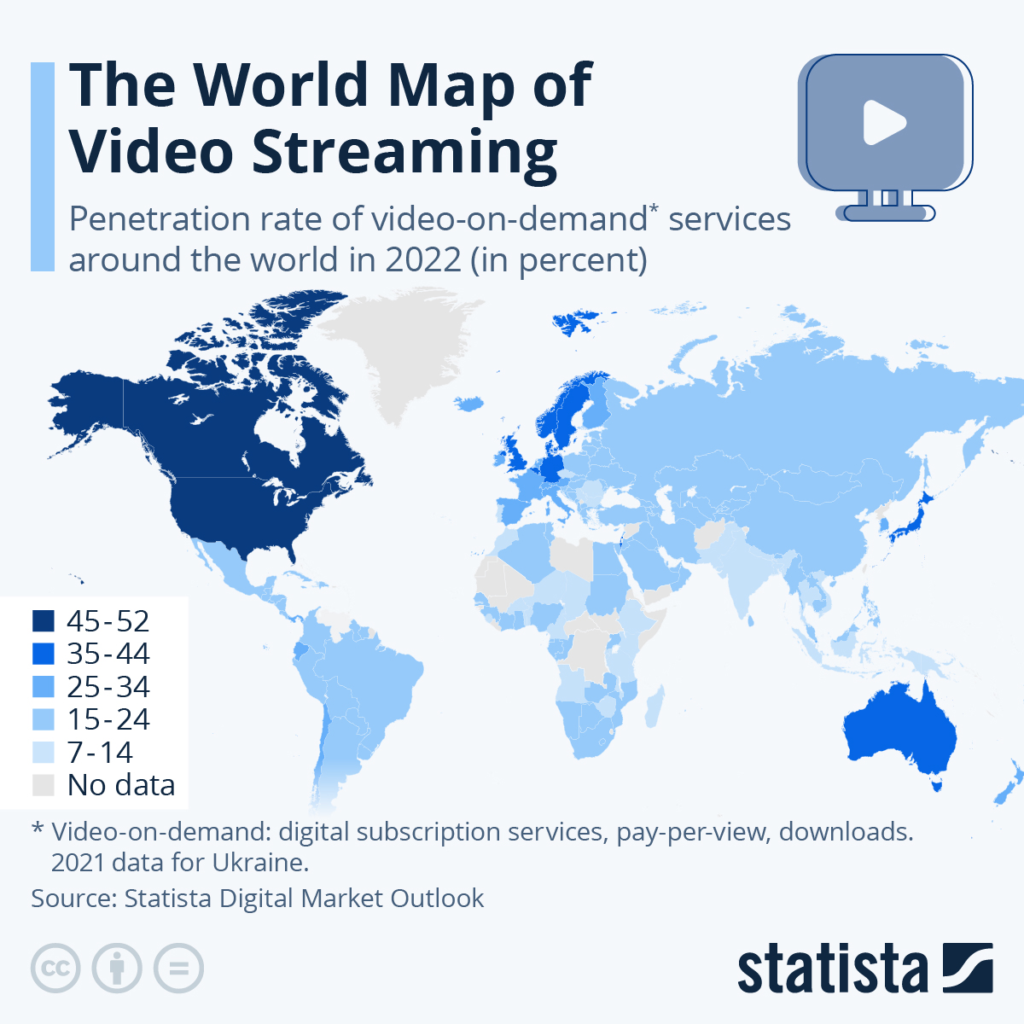
Streaming platforms distribute content globally by default. A performance released in the U.S. is simultaneously available in dozens of markets.
This has expanded the definition of American celebrity:
- U.S.-based actors gain international recognition faster
- Performers from outside the U.S. become familiar to American audiences
- Accents, backgrounds, and nontraditional casting normalize
According to industry reporting from Nielsen and Parrot Analytics, international series and cross-border productions consistently rank among the most streamed titles in the U.S., influencing casting decisions and celebrity visibility.
Fame is no longer geographically siloed.
Data Shapes Stardom More Than Headlines
Streaming platforms operate with a depth of audience data previously unavailable to studios and networks. They know:
- When viewers stop watching
- Which characters drive retention
- Which actors attract repeat engagement
This data quietly informs renewal decisions and future casting. An actor may not dominate headlines but can still be considered highly valuable if they contribute to subscriber retention.
This creates a different incentive structure for performers—one focused on consistency rather than viral moments.
Why Careers Last Longer in the Streaming Era
Historically, celebrity careers were volatile. A single failed project could stall momentum. Streaming has softened those extremes.
Actors now build careers across:
- Limited series
- Anthology formats
- Supporting roles that gain prominence over time
Rather than chasing constant reinvention, performers can develop reputations for reliability, depth, or genre specialization. That stability is attractive to both platforms and audiences.
The Shift From Fame to Familiarity
Streaming-era celebrity prioritizes familiarity over ubiquity. Being everywhere matters less than being meaningful where you appear.
Audiences may not recognize an actor’s name immediately—but they recognize their face, tone, and performance quality. That recognition often translates into stronger engagement than traditional star power.
This shift aligns with broader cultural trends favoring authenticity and sustained value.
What This Means for the Industry—and Viewers
For creators and performers, the implications are practical:
- Career paths are more flexible
- Breakthroughs can happen later
- Consistency is rewarded
For audiences, the benefits are subtle but significant. Viewers experience richer performances, broader representation, and fewer artificially inflated personas.
Celebrity becomes less about spectacle and more about contribution.
Frequently Asked Questions
1. How is streaming changing celebrity culture in America?
Streaming shifts fame toward sustained engagement, data-driven visibility, and serialized storytelling rather than one-time exposure.
2. Are streaming stars as influential as movie stars?
Influence is different. Streaming stars often have deeper audience trust, even if they have less traditional visibility.
3. Why do streaming celebrities feel more relatable?
Extended screen time and character depth foster familiarity and emotional connection.
4. Does social media matter more for streaming stars?
Social media supports discovery, but performance longevity matters more than virality.
5. Can actors become famous without Hollywood studios now?
Yes. Streaming platforms bypass traditional studio gatekeeping in many cases.
6. Are streaming careers more stable?
Often, yes—due to recurring roles and diversified formats.
7. Do algorithms decide who becomes famous?
Algorithms influence exposure, but audience engagement sustains careers.
8. Is this trend permanent?
As long as streaming remains dominant, these patterns are likely to persist.
9. Does this affect diversity in casting?
Yes. Global distribution and data-backed decisions encourage broader representation.
The New Shape of Recognition
Streaming has not eliminated celebrity—it has recalibrated it. Fame now grows through repetition, trust, and narrative depth rather than spectacle and saturation. This quieter model may lack fireworks, but it produces something rarer: durability. In a media environment defined by constant noise, the most influential stars are often the ones who arrive gradually—and stay.
Key Signals of the Streaming-Era Celebrity Shift
- Fame grows through sustained engagement, not instant visibility
- Data influences casting more than press cycles
- Familiarity now rivals notoriety
- Global audiences shape American stardom