
Summary
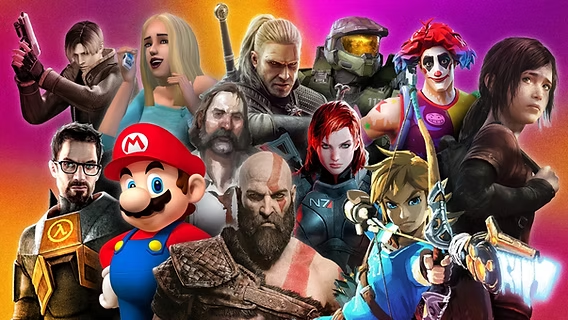
Video game characters have evolved from simple avatars into meaningful cultural symbols through sophisticated storytelling, emotional depth, and cinematic world-building. As games embraced narrative complexity, characters began reflecting real human struggles, ethics, and identities—earning a lasting place in American pop culture alongside film and television icons.
Introduction: From Gameplay Mechanics to Cultural Meaning
For decades, video games were viewed primarily as entertainment driven by mechanics—points, levels, and reflexes. Characters existed largely as functional placeholders. Today, that perception has fundamentally changed. In the United States, video games are now a dominant storytelling medium, and their characters increasingly carry cultural weight similar to film protagonists or literary figures.
This shift did not happen overnight. It emerged as developers invested in narrative design, cinematic presentation, and emotionally resonant character arcs. As storytelling matured, players stopped seeing characters merely as tools to win games and began relating to them as symbolic figures representing resilience, morality, identity, and even national or generational values.
Why Storytelling Matters More in Games Than Other Media
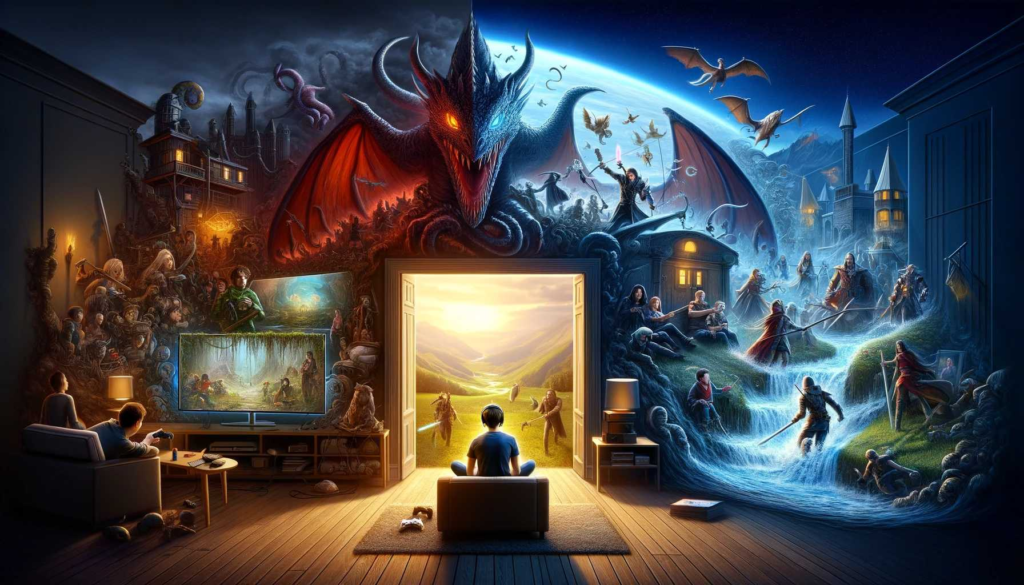
Unlike movies or television, video games require participation. Players don’t just observe a character’s journey—they actively shape it. This interactivity intensifies emotional investment and transforms storytelling into a shared experience between creator and player.
In American gaming culture, this has led to characters becoming:
- Emotional proxies for player decisions
- Mirrors of societal values and ethical dilemmas
- Long-term companions across multi-year franchises
Research from the Entertainment Software Association shows that over 65% of U.S. adults play video games, many engaging with story-driven titles specifically. This scale means narrative characters are no longer niche—they are mainstream cultural touchpoints.
Early Icons: Simple Stories, Enduring Symbols
Some of the most recognizable characters in gaming history emerged before complex storytelling was even possible. Yet their simplicity helped establish symbolic power.
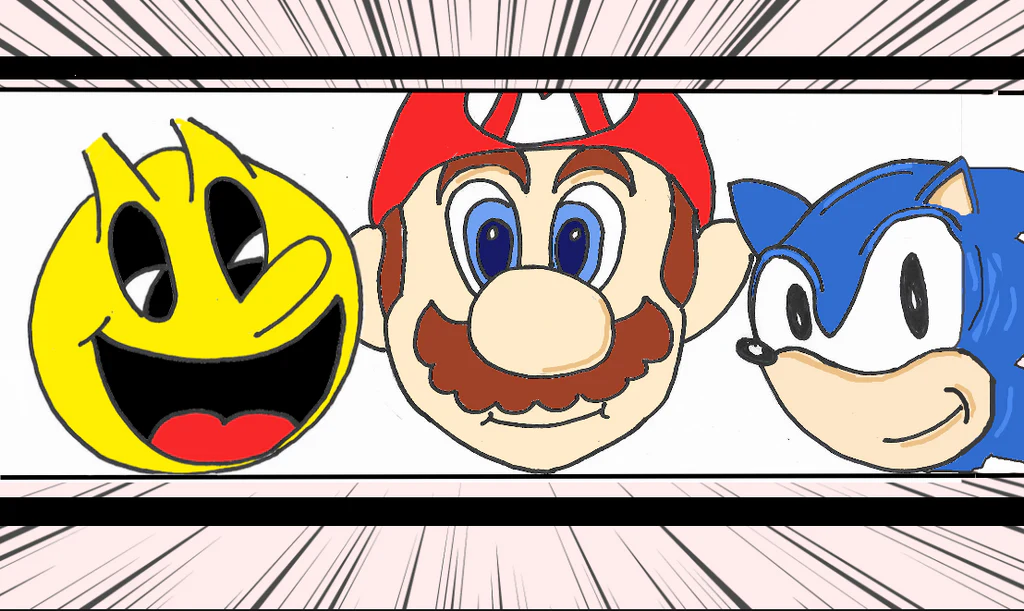
Mario, for example, represents perseverance and optimism. His early narratives were minimal, but his consistent role as a hero overcoming obstacles resonated with American ideals of persistence and playfulness.
Similarly, Link became symbolic of courage and self-discovery. Even without extensive dialogue, environmental storytelling allowed players to project meaning onto his journey.
These characters laid the foundation for what storytelling in games could eventually achieve.
The Narrative Shift: When Characters Became Human
As hardware improved and writing teams expanded, developers gained the tools to tell nuanced stories. This era marked a turning point where characters were no longer flawless heroes but complex individuals shaped by trauma, doubt, and consequence.
Consider Lara Croft. Originally framed as an action icon, later reboots reimagined her as a vulnerable survivor. Her evolution mirrored broader cultural conversations in the U.S. about representation, agency, and realism in media.
Likewise, Master Chief gained emotional depth over time. Once defined by armor and stoicism, later narratives explored isolation, loyalty, and sacrifice—transforming him into a symbol of duty and loss in modern warfare storytelling.
Moral Choice and Player Agency as Storytelling Tools
One of gaming’s most powerful storytelling mechanisms is moral choice. When players decide how a character behaves, that character’s symbolism becomes deeply personal.
Games that emphasize choice-driven narratives often lead to characters representing ethical complexity rather than clear heroism. Players confront questions Americans frequently search for online:
- Can a video game character reflect real moral dilemmas?
- Why do player choices feel emotionally impactful in games?
Because the player participates in the outcome, characters feel accountable—not scripted. This accountability elevates them from fictional constructs into moral symbols shaped by individual experience.
Long-Form Storytelling and Cultural Longevity
Video games also benefit from time. A character can evolve over 40–80 hours of gameplay, across multiple releases spanning decades. This extended exposure allows deeper emotional bonds than most films or TV series can achieve.
Kratos exemplifies this evolution. Originally portrayed as rage-driven and destructive, later installments redefined him as a father confronting regret. His transformation resonated strongly with American audiences navigating conversations about masculinity, parenthood, and emotional growth.
Similarly, Geralt of Rivia embodies moral ambiguity. His quiet professionalism and ethical restraint reflect modern skepticism toward absolute good and evil—an outlook increasingly common in U.S. storytelling preferences.
Representation, Identity, and Cultural Reflection
As storytelling matured, characters also began reflecting broader American diversity and identity debates. Games now explore themes of race, gender, disability, and mental health—not as surface traits, but as integral narrative elements.
Characters gain symbolic power when players see themselves represented authentically. According to a 2023 Pew Research Center study, younger Americans increasingly value representation and emotional realism in entertainment. Video games, through long-form storytelling, are uniquely positioned to meet that demand.
Cross-Media Expansion Reinforces Symbolism
When video game characters transition into film, television, books, or merchandise, their cultural symbolism deepens. These adaptations validate characters as narrative figures beyond gaming.
However, storytelling quality determines success. Characters rooted in strong narratives adapt more effectively because their symbolic meaning is already established. Poor adaptations often fail not because of visuals, but because they misunderstand the character’s narrative core.
Why Americans Form Emotional Bonds With Game Characters
Several factors consistently appear in U.S. search behavior and audience research:
- Extended time spent with characters
- Player-driven outcomes
- Moral and emotional realism
- Familiar cultural themes like family, sacrifice, freedom, and responsibility
When storytelling aligns with these values, characters transcend entertainment and become cultural reference points.
Frequently Asked Questions
1. Why do video game characters feel more personal than movie characters?
Because players actively control decisions, outcomes feel earned rather than observed.
2. Can video games really tell stories as well as films?
Yes—games often exceed films in emotional depth due to interactivity and duration.
3. What makes a character a “cultural symbol”?
Longevity, emotional resonance, and relevance to societal values.
4. Are story-driven games more popular in the U.S.?
Yes. Narrative-focused games consistently rank high in U.S. engagement metrics.
5. Do players influence a character’s symbolism?
Absolutely. Player choice personalizes meaning.
6. Why are flawed characters more popular now?
They reflect real human complexity and modern cultural skepticism.
7. How long does it take for a character to become iconic?
Often years or multiple releases with consistent storytelling.
8. Can multiplayer games create symbolic characters?
Less often, but narrative-driven multiplayer titles can achieve this.
9. Does realism matter in character storytelling?
Emotional realism matters more than visual realism.
When Digital Characters Become Modern Myths
Video game storytelling has transformed characters into modern myths—figures shaped by collective experience rather than passive consumption. Their power lies not in spectacle, but in shared emotional journeys that reflect how Americans see the world, wrestle with choices, and define meaning in a digital age.
Key Narrative Shifts That Redefined Gaming Characters
- From avatars to emotionally complex individuals
- From scripted arcs to player-shaped morality
- From isolated entertainment to cultural storytelling