
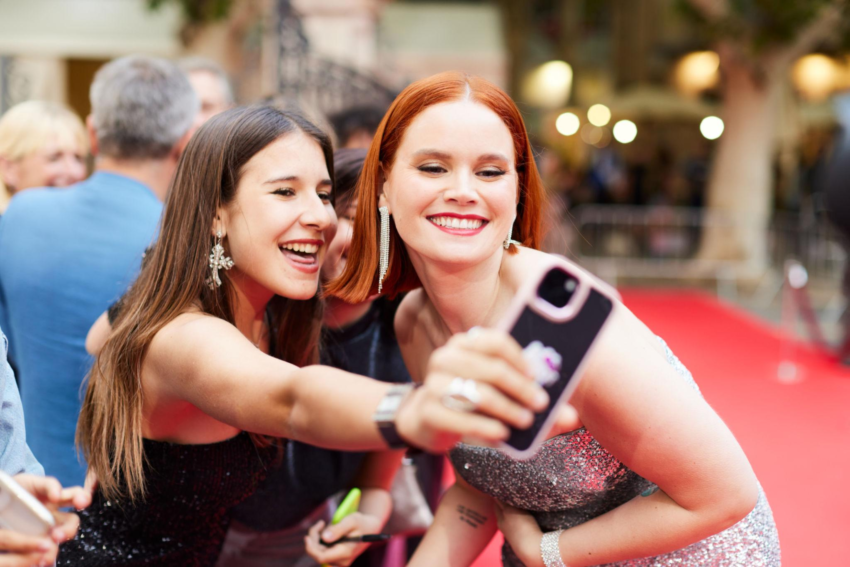
Social media reshaped celebrity culture by removing traditional gatekeepers and enabling direct, real-time interaction between public figures and audiences. Platforms like Instagram, TikTok, and X turned fans into participants, critics, and collaborators. This shift increased transparency, accelerated controversy cycles, strengthened fan communities, and redefined influence—making relationships more immediate, more measurable, and more strategically managed than ever before.
From Distance to Direct Access
For most of the 20th century, celebrity access was filtered. Fans encountered public figures through television interviews, glossy magazines, and carefully staged appearances. The relationship was aspirational but distant.
The rise of platforms such as Instagram, TikTok, X, and YouTube fundamentally altered that structure. Celebrities can now speak directly to tens of millions of followers without intermediary editors or producers.
According to Pew Research Center, roughly 72% of U.S. adults use at least one social media platform. Among adults under 30, usage exceeds 80%. For celebrities, this means the majority of their audience is reachable instantly.
The transformation is not just about visibility—it is about control. Social media allows public figures to:
- Announce projects before media outlets report them
- Correct misinformation in real time
- Share personal milestones directly
- Test public reaction before formal releases
The power dynamic shifted. Fame is no longer mediated exclusively by institutions; it is co-produced with audiences.
Why Do Fans Feel Closer to Celebrities Today?
One of the most searched questions in this space is: Why do I feel like I know celebrities personally?
The answer lies in perceived intimacy. Social media blurs professional and personal boundaries. When a public figure shares behind-the-scenes footage, family moments, or candid thoughts, it triggers what psychologists call a “parasocial relationship”—a one-sided but emotionally meaningful connection.
When Taylor Swift posts handwritten lyrics or casual rehearsal clips, fans interpret that access as authenticity. The content may still be strategic, but it reduces psychological distance.
Research published in the Journal of Broadcasting & Electronic Media indicates that parasocial interactions increase loyalty, merchandise purchases, and event attendance. This explains why engagement metrics directly correlate with commercial outcomes.
However, closeness comes with complexity. Fans expect responsiveness. Silence can be interpreted as indifference.
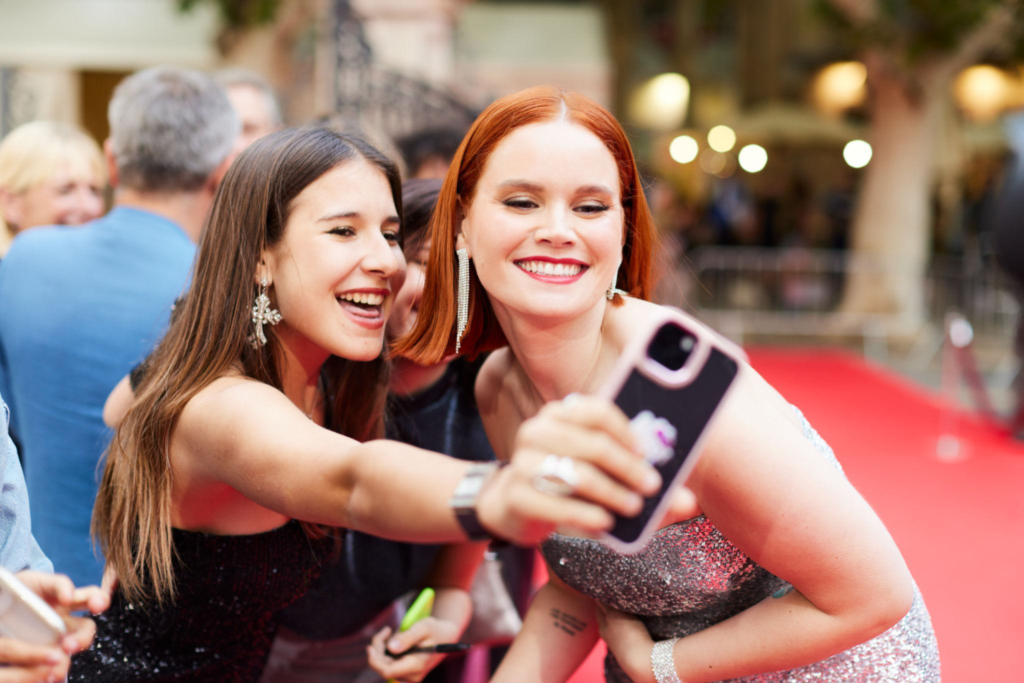
Real-Time Feedback: The Acceleration of Public Opinion
In the pre-digital era, reputation shifts unfolded slowly. Today, sentiment can change within hours.
Trending topics on X, viral clips on TikTok, and YouTube reaction videos create rapid feedback loops. Data from Morning Consult shows that younger Americans are especially likely to adjust perceptions based on viral moments.
This environment forces celebrities to operate strategically. They must consider:
- Timing of posts during sensitive news cycles
- Potential reinterpretation of old content
- Audience fragmentation across platforms
- Algorithm-driven amplification
For example, when Dwayne Johnson shares fitness routines or motivational messages, engagement often exceeds millions of interactions within hours. That scale means every message carries amplified impact.
Speed increases opportunity—but also risk.
How Social Media Changed Celebrity Accountability
Social media did not just create intimacy. It increased scrutiny.
Audiences now archive, screenshot, and resurface content. Statements from years ago can reappear within minutes. This permanence affects public trust.
Celebrities face a more transparent environment where fans expect consistency between stated values and behavior. A 2023 Edelman report found that 63% of Americans consider trust a deciding factor when supporting public figures or brands.
When inconsistencies arise, fans often demand explanation directly in comment sections. This visibility has reshaped crisis management strategies. Publicists increasingly recommend:
- Swift acknowledgment rather than prolonged silence
- Video statements over text-only posts
- Clear corrective action plans
- Limited defensiveness
Public accountability is now crowdsourced.
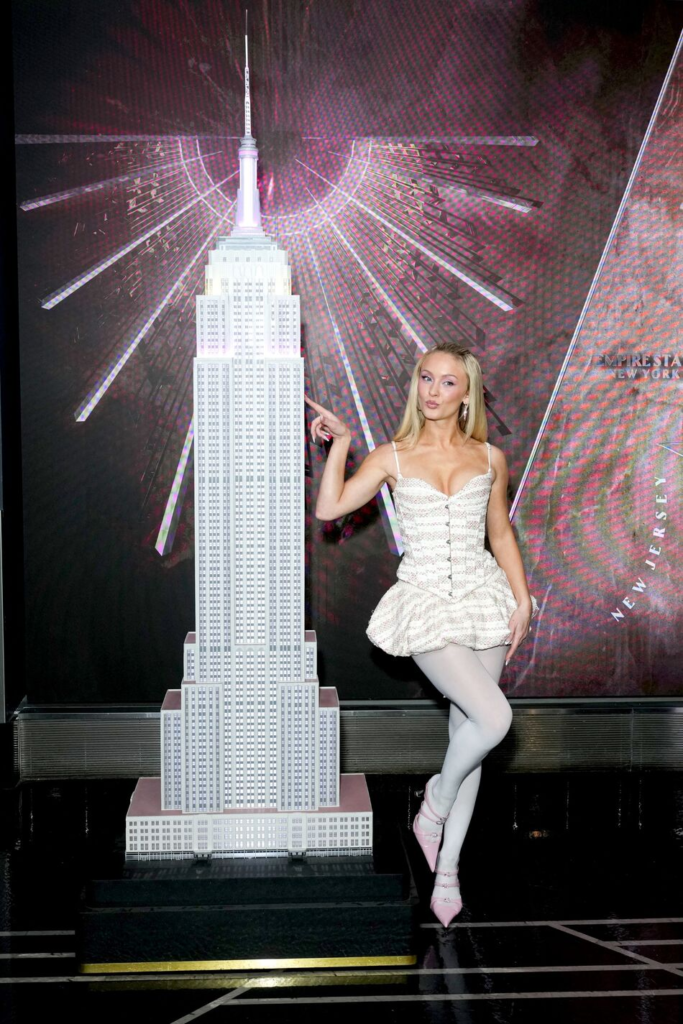
The Rise of Fan Communities as Organized Forces
Another transformation involves the structure of fandom itself. Online communities organize at scale.
Fan groups coordinate:
- Streaming campaigns to boost chart rankings
- Fundraising for causes aligned with their favorite celebrity
- Rapid defense against criticism
- Trending hashtags to influence narratives
Beyoncé’s fan community, often referred to as the BeyHive, demonstrates how digital networks amplify influence beyond traditional marketing. Coordinated online engagement can significantly affect media coverage and cultural conversation.
At the same time, organized fandoms can create pressure. Public figures must balance appreciation with boundaries to prevent unhealthy expectations.
Monetization: Turning Engagement Into Economic Power
Social media transformed fan relationships into measurable business ecosystems.
According to Influencer Marketing Hub estimates, top-tier celebrities can generate millions of dollars from a single sponsored post. But revenue extends beyond endorsements.
Direct-to-consumer channels now include:
- Merchandise launched through Instagram shops
- Paid fan subscriptions on platforms like YouTube
- Exclusive content through membership tiers
- Livestream events with ticketed access
Selena Gomez leveraged social media visibility to strengthen both entertainment projects and consumer brands. Her digital presence reinforces commercial ventures, creating a loop between influence and revenue.
This integration of commerce and communication marks a structural shift in celebrity economics.
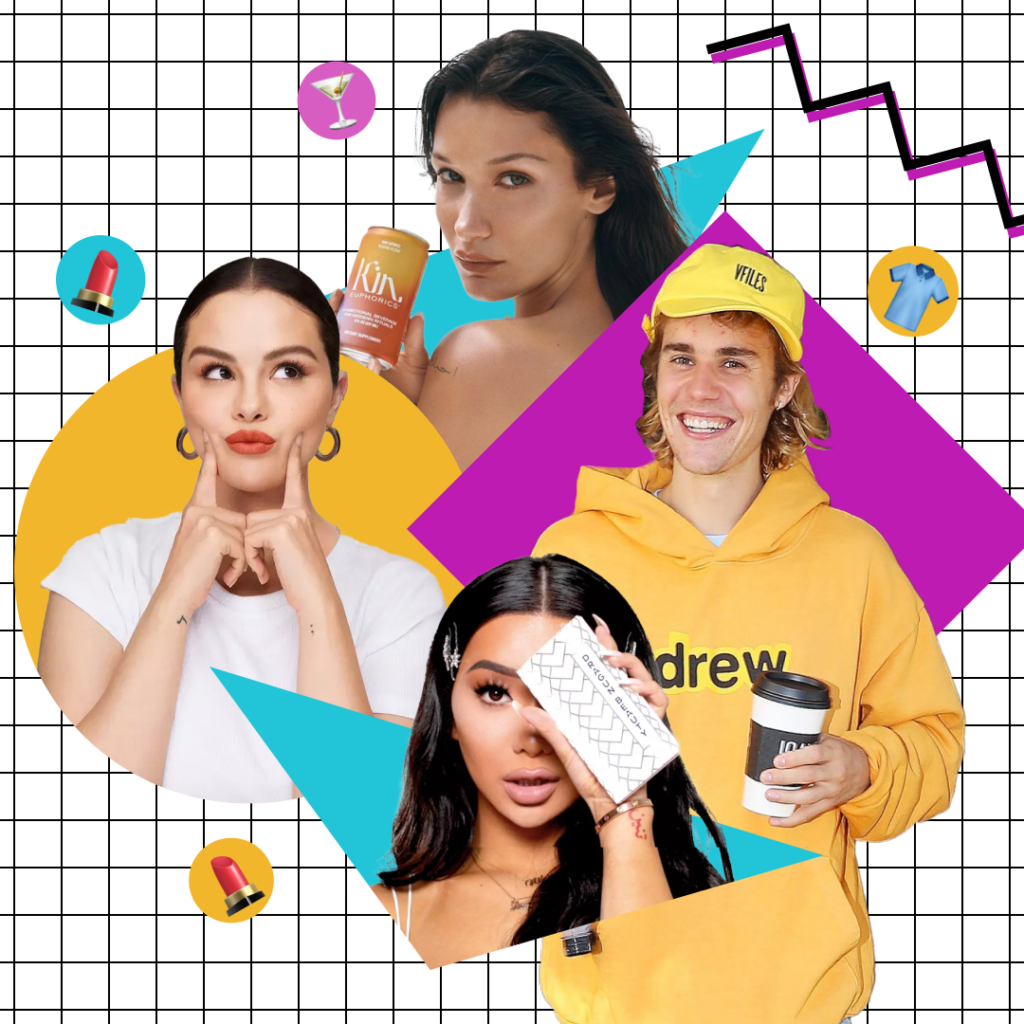
Mental Health and the Cost of Constant Visibility
While social media increased connection, it also intensified pressure.
Celebrities face continuous commentary on appearance, personal life, and opinions. Studies from the American Psychological Association note that persistent online criticism can contribute to stress, anxiety, and burnout.
Some public figures choose structured boundaries—disabling comments, limiting posting frequency, or delegating account management. Others take temporary breaks from platforms to recalibrate.
This raises an important cultural question: Can constant accessibility coexist with personal well-being?
The long-term answer appears to involve controlled transparency—sharing selectively rather than continuously.
How Social Media Changed Media Itself
Traditional outlets now rely heavily on social content for coverage. Tweets become headlines. Instagram posts spark feature stories.
Appearances on established programs such as The Tonight Show Starring Jimmy Fallon still matter, but clips often gain broader reach when repurposed online.
This integration means celebrities increasingly think “platform-first.” They evaluate how moments will translate across digital channels before they occur.
The fan relationship is no longer shaped solely by journalists. It is co-created in a shared digital ecosystem.
Is Authenticity Real—or Strategically Designed?
Many Americans ask: Are celebrities being authentic online?
Authenticity today is both emotional and strategic. Public figures understand that relatability strengthens loyalty. Sharing personal struggles, creative processes, or philanthropic efforts humanizes them.
However, most content passes through layers of review. Strategy does not eliminate sincerity—but it shapes presentation.
The most successful digital presences maintain coherence. Tone, values, partnerships, and messaging align over time.
Consistency builds credibility.
Frequently Asked Questions
1. Do celebrities run their own social media accounts?
Some contribute directly, but most high-profile accounts involve teams managing scheduling, moderation, and analytics.
2. How has social media changed fan expectations?
Fans now expect faster responses, transparency, and interactive engagement.
3. What is a parasocial relationship?
It is a one-sided emotional bond formed through repeated media exposure.
4. Can social media damage a celebrity’s career?
Yes. Viral controversies can shift public perception rapidly.
5. Why do celebrities post behind-the-scenes content?
To reduce distance and strengthen perceived authenticity.
6. How do fan communities influence success?
Coordinated online activity can affect chart performance, trends, and media narratives.
7. Is social media more powerful than traditional media?
It complements traditional media but often drives faster cultural impact.
8. Why do some celebrities leave social platforms?
To manage mental health, reduce backlash exposure, or reset strategy.
9. How do platforms shape celebrity behavior?
Algorithms reward frequency, engagement, and emotionally resonant content.
10. Will social media remain central to celebrity culture?
Given current adoption rates and monetization structures, it is likely to remain foundational.
The New Architecture of Influence
The relationship between celebrities and fans is no longer hierarchical. It is interactive, data-driven, and economically intertwined. Social media collapsed distance, accelerated accountability, empowered fandom, and expanded commercial opportunity.
Yet connection now carries responsibility. Public figures must navigate authenticity, privacy, and scrutiny simultaneously. Fans, in turn, hold unprecedented influence over narratives.
This is not simply a communication shift. It is a structural redefinition of fame—one built on immediacy, participation, and measurable trust.
What This Shift Means Going Forward
- Direct access increased perceived intimacy
- Real-time feedback reshaped accountability
- Organized fan communities amplify influence
- Monetization models rely on engagement metrics
- Digital visibility intensifies mental health pressures
- Authenticity requires strategic consistency
- Traditional media now interacts with social platforms
- Influence is co-created between celebrity and audience