
Summary
Small DIY projects can significantly improve how a home functions—without the cost, disruption, or risk of major renovations. By focusing on storage, lighting, accessibility, and everyday usability, homeowners can solve common frustrations room by room. Strategic, well-planned DIY upgrades often deliver outsized functional gains with minimal investment.
Why Function Matters More Than Square Footage
Many American homeowners assume that improving function requires expanding space or tearing down walls. In reality, most day-to-day frustrations at home come from poor layout decisions, inadequate storage, or outdated fixtures—not a lack of square footage.
According to data from the National Association of Home Builders, more than 60% of homeowners prioritize “better use of existing space” over adding new square footage when considering home improvements. Small DIY projects address this exact need by targeting friction points that affect how a home is actually used.
Function-driven DIY is less about aesthetics and more about removing inefficiencies. When done well, these projects make homes easier to live in, safer to navigate, and simpler to maintain—all without permits, contractors, or extended downtime.
What Counts as a “Small” DIY Project?
A small DIY project is defined less by cost and more by scope. These are upgrades that typically:
- Take a few hours to a weekend to complete
- Do not alter structural elements
- Require basic tools rather than specialized equipment
- Can be reversed or modified without damage
Examples include installing pull-out shelves, upgrading lighting, improving closet systems, or adding wall-mounted storage. These projects rarely attract attention during resale—but they dramatically improve daily living.

Kitchen Improvements That Enhance Daily Efficiency
The kitchen is one of the most function-sensitive spaces in any home. Small inefficiencies here compound quickly, especially for families.
One of the highest-impact DIY upgrades is adding pull-out shelves to lower cabinets. Standard base cabinets force homeowners to kneel and reach into dark corners. Pull-out shelving brings contents into full view, reducing strain and wasted time. Many homeowners report this single upgrade saves minutes on every meal preparation.
Another effective project is installing a backsplash-mounted rail system for utensils and frequently used tools. This frees up drawer space and reduces countertop clutter without permanent modification.
Under-cabinet lighting is another example where function outweighs appearance. Poor task lighting leads to eye strain and accidents. LED strip kits are inexpensive, energy-efficient, and often install with adhesive backing—no rewiring required.
Storage Fixes That Eliminate Everyday Friction
Storage issues are rarely about volume and almost always about access. Homes accumulate clutter when storage systems are hard to use.
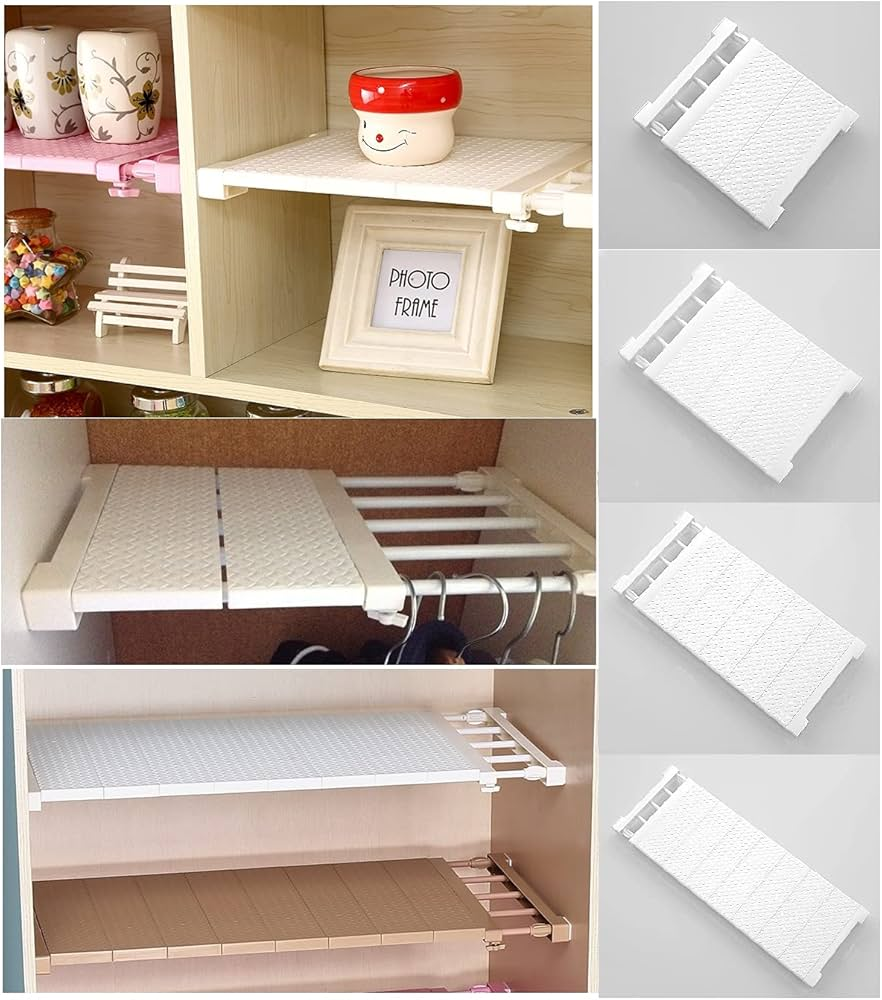
In closets, adjustable shelving systems outperform fixed rods and shelves. A simple reconfiguration can double usable space while making items easier to see and reach. For children’s rooms, lowering rods and adding labeled bins improves independence and reduces daily cleanup battles.
In garages, wall-mounted track systems allow tools, sports gear, and lawn equipment to be stored vertically. This protects items from damage while freeing up floor space for vehicles or work areas.
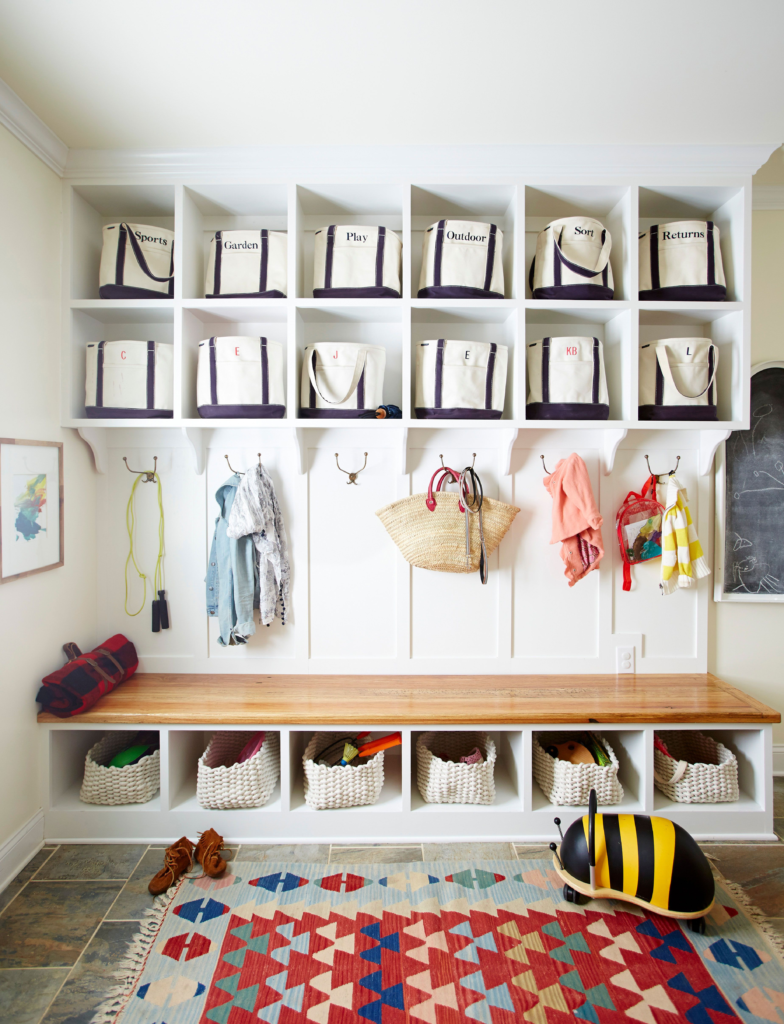
Entryway storage is another overlooked opportunity. A narrow bench with integrated cubbies or hooks creates a landing zone for shoes, bags, and keys—reducing the daily search cycle that frustrates many households.
Bathroom DIY Projects That Improve Comfort and Safety
Bathrooms are small spaces where function has outsized importance. Minor upgrades here often improve both comfort and safety.
Replacing a standard showerhead with a height-adjustable or handheld model improves usability for children, older adults, and anyone with limited mobility. Installation typically takes less than 30 minutes.
Installing recessed medicine cabinets instead of surface-mounted units increases storage without reducing usable space. Many models fit between standard studs, avoiding drywall work.
Even simple changes—such as adding towel hooks near the shower or installing soft-close toilet seats—reduce daily annoyances. These improvements don’t photograph well for listings, but homeowners feel the difference immediately.
Lighting Changes That Transform How Spaces Are Used
Lighting is one of the most underestimated functional elements in a home. Poor lighting affects mood, productivity, and safety.
Replacing a single overhead fixture with layered lighting—task lamps, wall sconces, or floor lighting—makes rooms more adaptable. For example, adding plug-in wall sconces near a sofa creates a reading zone without rewiring.
Motion-sensor lighting in hallways, closets, and laundry rooms improves navigation and reduces energy waste. The U.S. Department of Energy notes that lighting controls like occupancy sensors can reduce lighting energy use by up to 30% in some residential applications.
Daylight management also matters. Installing cordless cellular shades improves insulation while allowing flexible light control, especially in bedrooms and home offices.
Small Accessibility Upgrades With Long-Term Value
Accessibility improvements are often associated with aging in place, but many benefit all households.
Lever-style door handles are easier to operate than knobs and cost little more. Anti-slip stair treads reduce fall risk without altering stair structure. Even widening the clear space around furniture improves movement flow for everyone.
These upgrades quietly future-proof a home. They also align with universal design principles increasingly valued by buyers and appraisers.
When DIY Solves Problems Renovations Often Miss
Large renovations focus on visual transformation. Small DIY projects focus on behavior—how people move, store, reach, and interact with their environment.
For example, homeowners often remodel kitchens for style but leave trash and recycling bins awkwardly placed. A simple pull-out waste system solves a daily frustration that expensive cabinetry does not.
Similarly, adding a wall-mounted folding desk in a spare room creates a functional home office without dedicating permanent space. These behavior-driven solutions are where small DIY excels.
Cost, Time, and Return on Effort
One reason small DIY projects are so effective is their efficiency. Many cost under $200 and require minimal downtime. Unlike renovations, they rarely involve unexpected delays or cost overruns.
While these projects may not dramatically increase resale value individually, they improve perceived livability—a factor that influences buyer decisions. More importantly, they deliver immediate quality-of-life improvements for current occupants.
Common Questions Homeowners Ask About Small DIY Projects
Do small DIY projects really make a noticeable difference?
Yes. Because they target daily pain points, the impact is felt immediately, even if the visual change is subtle.
Are these projects suitable for renters?
Many are. Look for reversible options like adhesive hooks, tension rods, and freestanding storage.
How do I decide which project to start with?
Identify tasks that feel unnecessarily difficult or annoying. The best projects remove friction.
Do I need permits for small DIY upgrades?
Most do not, as long as you’re not altering structure, plumbing, or electrical systems.
What tools are typically required?
Basic hand tools, a drill, a level, and measuring tape cover most projects.
Are small DIY projects safe for beginners?
Yes, when instructions are followed and safety precautions are taken.
Can these projects help with organization?
Organization is one of their strongest benefits, especially in kitchens and closets.
How long do most projects take?
Anywhere from 30 minutes to a weekend, depending on complexity.
Is it better to DIY or hire help for small projects?
DIY is often practical, but hiring help makes sense if time or physical ability is limited.
Making Homes Work Better, Not Just Look Better
Homes function best when they support daily routines without friction. Small DIY projects succeed because they focus on how people actually live—cooking, storing, moving, resting, and working. By solving specific problems rather than chasing large-scale transformations, homeowners can achieve meaningful improvements with less cost, risk, and disruption.
Key Insights to Keep in Mind
- Function-first DIY delivers immediate, daily benefits
- Storage and lighting offer the highest return on effort
- Accessibility upgrades help everyone, not just specific groups
- Small changes often solve problems renovations overlook