
Summary
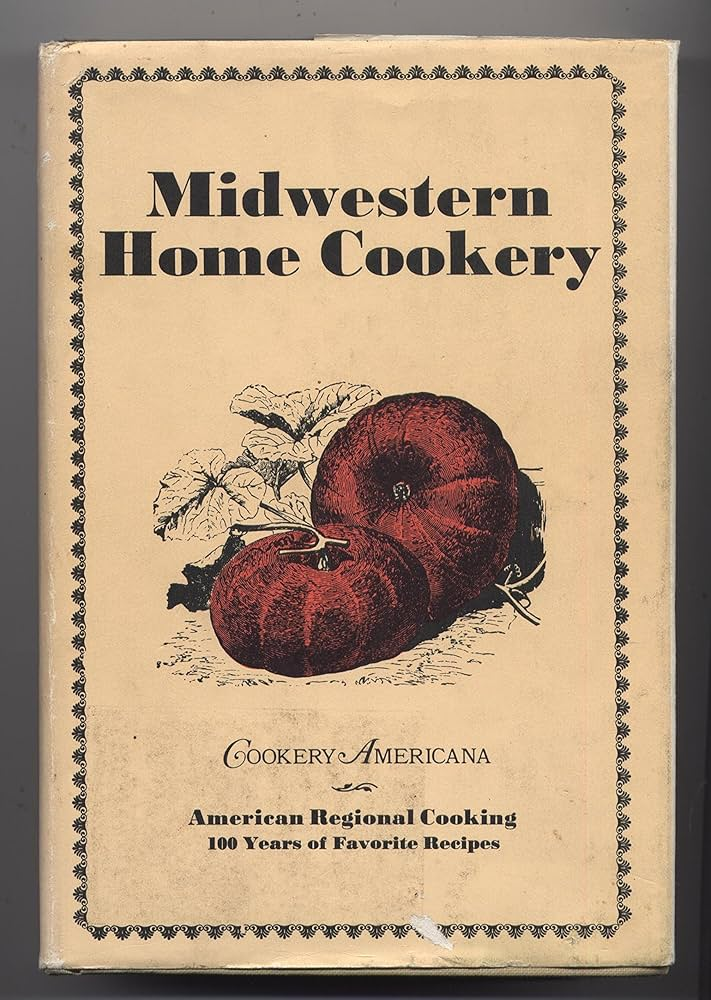
Regional American cooking is evolving as home cooks blend tradition with convenience, health awareness, and global influence. From updated Southern comfort food to lighter Southwestern flavors, modern kitchens reflect shifting lifestyles, diverse households, and improved ingredient access—reshaping how Americans preserve regional identity while adapting recipes for today’s schedules and tastes.
Introduction: Tradition Meets Modern Life
Regional American cooking has always been shaped by geography, migration, and available ingredients. What’s changing now is where those traditions are being interpreted: increasingly, it’s not restaurants or community gatherings driving evolution, but everyday home kitchens.
Across the U.S., cooks are reworking familiar regional dishes to align with modern realities—shorter prep times, dietary preferences, health considerations, and broader access to once-regional ingredients. The result is not a loss of identity, but a quieter, more practical evolution that reflects how Americans actually live and cook today.
What Defines Regional American Cooking?
Regional American cuisine is built on local ingredients, cultural history, and inherited techniques. Southern cooking emphasizes slow methods and bold seasoning; New England cuisine favors simplicity and seafood; Southwestern food draws heavily from Indigenous and Mexican influences; the Midwest focuses on hearty, practical meals.
Historically, these styles were location-dependent. Today, refrigeration, nationwide distribution, and digital recipes mean regional foods travel easily—but they don’t remain unchanged. Home cooks adapt them to fit modern kitchens, appliances, and expectations.
Why Regional Cooking Is Changing Now
Several converging factors are accelerating this evolution.
Americans are cooking more meals at home than they did a decade ago, but they’re spending less time per meal. According to USDA data, average daily cooking time has declined steadily since the early 2000s, even as interest in home cooking has grown.
At the same time, ingredient access has expanded. Specialty chilies, regional grains, and artisanal products are now widely available at national grocery chains. This availability encourages experimentation—but also adaptation.
Finally, household composition has shifted. Smaller households, dual-income families, and multicultural backgrounds influence how recipes are interpreted and passed down.
Southern Cooking: Lighter Techniques, Familiar Flavors
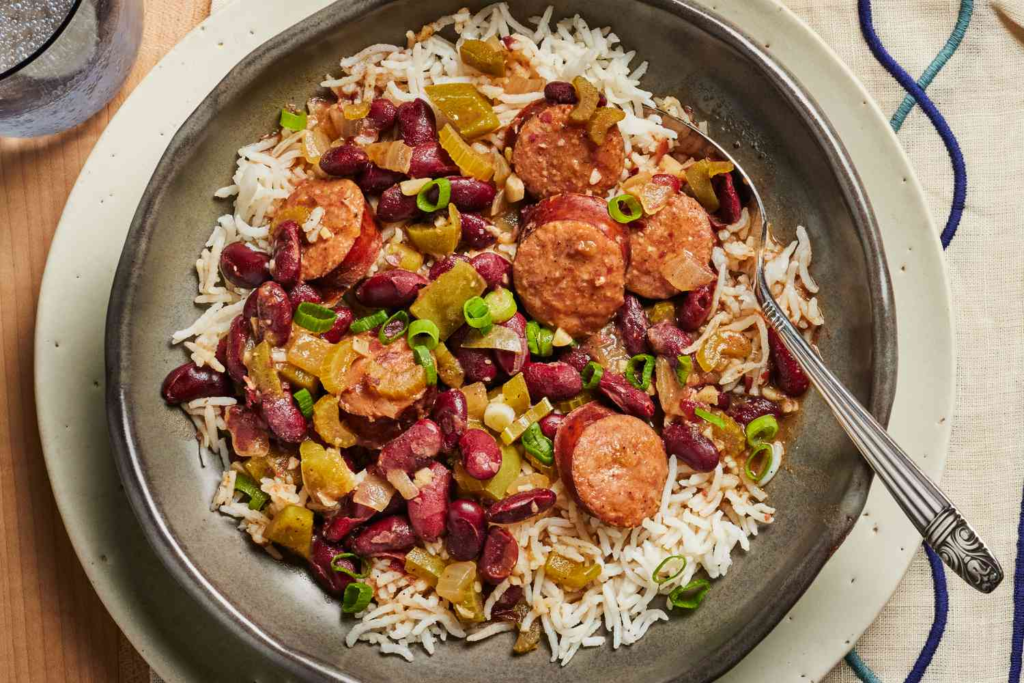
Southern cuisine is often associated with richness, long cooking times, and indulgence. In modern kitchens, many home cooks are preserving flavor while adjusting technique.
Classic dishes like fried chicken, collard greens, and cornbread are being prepared differently:
- Oven-frying or air-frying replaces deep frying
- Greens are simmered with smoked turkey instead of pork
- Cornbread recipes reduce sugar or fat without losing texture
These changes reflect health awareness rather than rejection of tradition. The seasoning profiles—paprika, garlic, black pepper—remain intact. What changes is how those flavors are delivered.
Southwestern and Tex-Mex: Ingredient-Driven Simplification
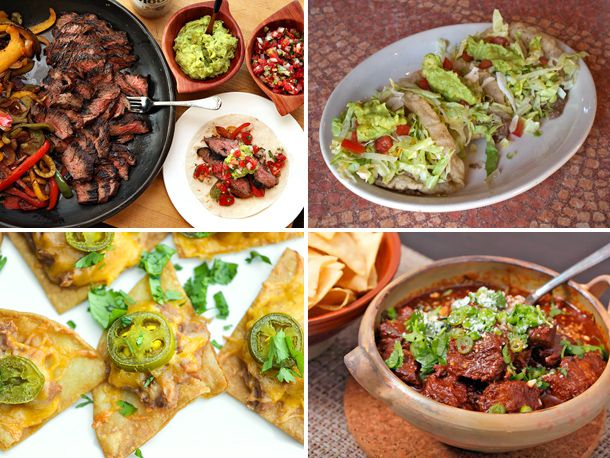
Southwestern cooking has always emphasized bold flavors and fresh ingredients. What’s evolving is how home cooks streamline preparation.
Dishes that once required multiple steps—such as slow-roasted meats or long-simmered sauces—are increasingly adapted for pressure cookers, sheet pans, or weeknight schedules.
Modern interpretations often focus on:
- Roasted vegetables paired with traditional spices
- Leaner proteins without sacrificing depth
- Flexible recipes that accommodate dietary preferences
The core identity—chilies, cumin, corn, beans—remains unchanged. What’s different is the emphasis on adaptability rather than strict replication.
New England Cooking: Seasonal Roots, Modern Presentation
New England cooking has long relied on seafood, dairy, and seasonal produce. In contemporary kitchens, cooks are leaning into those roots while modernizing presentation and technique.
Clam chowder may be lighter and less flour-heavy. Lobster dishes are increasingly prepared at home using simplified methods rather than restaurant-style preparations. Baked goods incorporate whole grains without altering traditional flavors.
Seasonality remains central, but recipes are more forgiving—reflecting a desire for reliability rather than perfection.
Midwestern Comfort Food Gets a Practical Update
Midwestern cooking has always been about sustenance and practicality. Today’s evolution continues that tradition, but with updated expectations.
Casseroles, roasts, and soups are being adapted for:
- Smaller portion sizes
- Modern appliances like slow cookers
- Reduced sodium and processed ingredients
Rather than abandoning classic dishes, cooks are refining them. The emphasis is on meals that reheat well, scale easily, and fit into weekly routines.
The Influence of Global Flavors on Regional Dishes
One of the most significant shifts in regional American cooking is the integration of global influences—often in subtle ways.
A Southern stew might incorporate ginger or coconut milk. A Midwest grain bowl may borrow seasoning techniques from East Asian cuisine. These aren’t fusion dishes in the restaurant sense; they’re practical adaptations informed by exposure and availability.
This blending reflects how Americans cook now: informed by travel, media, and multicultural households, but grounded in familiar frameworks.
Technology’s Role in Regional Evolution
Kitchen technology has quietly reshaped regional cooking more than any single trend.
Pressure cookers replicate long braises in under an hour. Air fryers replace traditional frying methods. High-quality nonstick cookware allows for reduced fat without sacrificing texture.
Digital recipes also play a role. Home cooks are no longer bound to family notebooks; they compare versions, read comments, and adjust based on feedback. This collective refinement accelerates evolution while preserving core techniques.
What Stays the Same—and Why It Matters
Despite all these changes, certain elements remain remarkably stable.
Flavor memory, family rituals, and cultural significance continue to anchor regional cooking. A dish doesn’t need to be prepared exactly as it was fifty years ago to carry meaning. What matters is continuity—the recognizable taste, the shared experience, the sense of place.
Modern kitchens don’t erase regional identity. They reinterpret it.

Frequently Asked Questions
1. Is regional American cooking disappearing?
No. It’s adapting. Core flavors and traditions remain, even as techniques and ingredients evolve.
2. Are modern versions less authentic?
Authenticity depends on intent and understanding, not strict replication. Adaptation has always been part of American cooking.
3. Why are regional ingredients easier to find now?
Improved distribution and consumer demand have made once-local ingredients widely available nationwide.
4. Do these changes affect nutrition?
Often positively. Many modern adaptations reduce excess fat or sodium while maintaining flavor.
5. Are younger generations still cooking regional dishes?
Yes, though often in simplified or updated forms suited to modern lifestyles.
6. How does technology influence traditional recipes?
Appliances shorten cooking times and increase consistency without altering core flavors.
7. Is restaurant culture driving these changes?
Partially, but home cooking habits and household needs play a larger role.
8. Can regional cooking adapt to special diets?
Yes. Many traditional dishes translate well to vegetarian, gluten-free, or lower-fat versions.
9. Will regional styles continue to blend?
Likely. Cultural exchange and ingredient access make continued blending inevitable.
A Living Tradition in Everyday Kitchens
Regional American cooking isn’t being replaced—it’s being lived. In modern kitchens, cooks are making thoughtful choices that balance heritage with practicality. These adaptations ensure that regional food remains relevant, accessible, and deeply connected to daily life rather than frozen in time.
What This Evolution Reveals
- Regional identity is flexible, not fragile
- Home cooks are the primary drivers of change
- Tradition survives best when it adapts
- Convenience and culture can coexist
- Flavor memory matters more than exact technique