
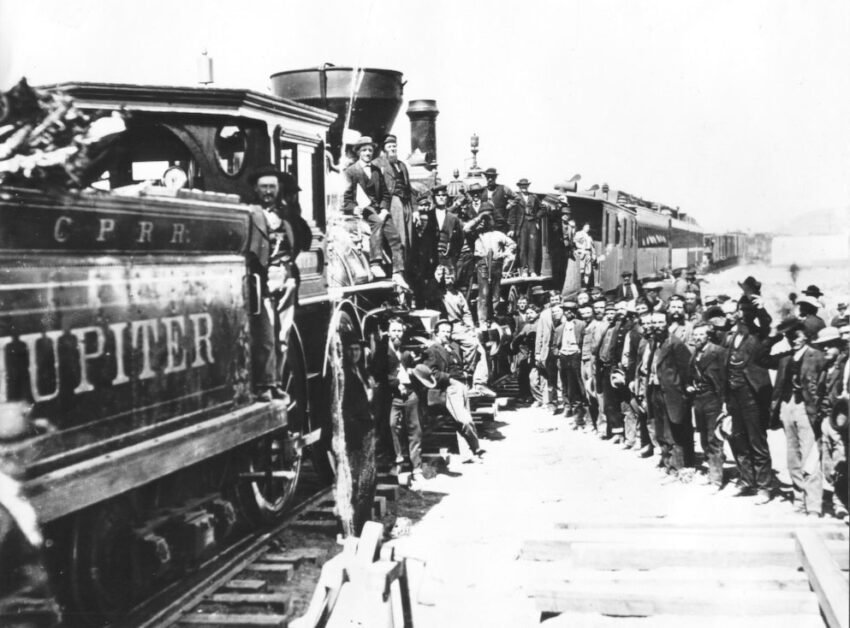
Rail travel in the United States is experiencing renewed attention as travelers seek alternatives to congested highways and crowded airports. Driven by infrastructure investment, environmental awareness, downtown revitalization, and shifting work patterns, trains are serving both leisure and business travelers in new ways. From regional corridors to long-distance scenic routes, rail is becoming a practical, experience-focused option again.
A Transportation Mode Americans Are Reconsidering
For decades, passenger rail in the United States has lived in the shadow of the interstate highway system and commercial aviation. Yet in recent years, rail travel has quietly regained relevance. This shift isn’t rooted in nostalgia. It’s shaped by economic realities, environmental priorities, and changing travel habits.
According to the Amtrak, ridership has rebounded strongly following the pandemic downturn, with fiscal year totals approaching or surpassing pre-2020 levels in several corridors. Meanwhile, federal infrastructure legislation has allocated billions for passenger rail improvements, signaling long-term policy support.
For travelers, the renewed interest is practical. Many Americans are asking:
- Is train travel cheaper than flying?
- Are trains more comfortable than airplanes?
- What are the best rail routes in the U.S.?
- Is rail a realistic option for business travel?
The answers increasingly suggest that in specific regions and situations, the train is not only viable — it can be preferable.
Why Rail Is Becoming Relevant Again
1. Airport Fatigue and Highway Congestion
Air travel, while fast over long distances, comes with increasing friction: security lines, baggage restrictions, boarding delays, and weather disruptions. On busy corridors such as the Northeast, door-to-door travel time often favors rail.
The Northeast Corridor, connecting Washington, D.C., Philadelphia, New York, and Boston, is a prime example. On routes like New York to Washington, rail can match or beat air travel when factoring in airport transfers and security wait times.
Similarly, congested highways in regions like Southern California and the Pacific Northwest make rail a stress-reducing alternative for regional trips.
2. Remote Work and Flexible Travel Patterns
The rise of hybrid and remote work has reshaped travel behavior. Travelers are less tied to rigid schedules. Many now combine work and leisure — sometimes called “bleisure” travel.
Trains support this shift:
- Wi-Fi availability on major routes
- Larger seating configurations
- The ability to move freely during travel
- No restrictions on device use during the journey
Professionals can work comfortably between cities like Boston and New York or Chicago and St. Louis without the interruptions common on flights.
3. Federal Infrastructure Investment
The Infrastructure Investment and Jobs Act of 2021 allocated significant funding to passenger rail expansion and modernization. Projects include track upgrades, station improvements, and new service corridors.
States such as California, North Carolina, and Virginia are investing in expanded service frequencies. While the U.S. does not yet rival Europe’s high-speed rail network, the momentum toward modernization is measurable.
Where Rail Is Gaining Ground
Rail’s relevance varies by geography. It performs best in densely populated corridors of 100 to 500 miles.
The Northeast
The Amtrak Acela and Northeast Regional services remain among the busiest passenger rail lines in the country. Business travelers, government employees, and leisure visitors rely on predictable downtown-to-downtown connections.
California
The Pacific Surfliner connects San Diego, Los Angeles, and Santa Barbara, serving both commuters and leisure travelers seeking coastal views without traffic congestion.
The Midwest
Chicago functions as a central rail hub. Routes like the Empire Builder connect Chicago to Minneapolis and onward to the Pacific Northwest, offering both transportation and scenic travel experiences.
The Pacific Northwest
The Amtrak Cascades links Seattle, Portland, and Vancouver, providing an alternative to I-5 traffic and short-haul flights.
Is Train Travel Affordable in the U.S.?
Cost depends on distance, booking timing, and flexibility. In many regional corridors, rail can be competitively priced compared to airfare — particularly when:
- Booking early
- Traveling midweek
- Avoiding peak holiday periods
- Traveling without checked luggage
Unlike budget airlines, rail tickets generally include two carry-on bags and do not charge extra for seat selection in standard classes.
Families traveling together may find rail particularly cost-effective when accounting for baggage and transportation to airports.
Environmental Considerations
Environmental impact is a growing factor in travel decisions. According to data from the U.S. Department of Transportation, rail produces significantly fewer greenhouse gas emissions per passenger mile compared to single-occupancy vehicles and short-haul flights.
While the U.S. rail network still relies partly on diesel power, electrified segments in the Northeast Corridor reduce emissions further.
Travelers increasingly consider carbon footprint when choosing transportation. Rail provides a lower-impact option for mid-distance routes.
The Experience Factor: Space, Scenery, and Comfort
Unlike air travel, trains allow passengers to move freely between cars. Many long-distance routes include observation lounges with panoramic windows. Scenic routes such as:
- The California Zephyr through the Rockies
- The Coast Starlight along the Pacific Coast
offer landscapes not visible from highways or airplanes.
Travelers often describe rail journeys as less stressful and more social. Seating configurations allow families to face one another. Dining cars provide communal meals, creating an experience closer to traditional travel than rapid transit.
Practical Tips for Booking Rail in the U.S.
Seasoned travelers apply specific strategies when planning train trips:
- Book early for discounted fares.
- Compare “Value” and “Flexible” fare categories.
- Use multi-city searches for complex itineraries.
- Check station locations carefully — many are downtown.
- Monitor schedule changes during winter months.
- Join loyalty programs for frequent corridor travel.
Travelers also research whether overnight sleeper accommodations justify the additional cost on long-distance routes.
How Rail Supports Local Economies
Rail stations are often located in city centers. This proximity benefits downtown businesses, hotels, and restaurants.
Smaller cities such as Charlottesville, Virginia or Eugene, Oregon, experience consistent visitor traffic through regional rail service. Unlike highways that bypass towns, rail lines stop within walking distance of commercial districts.
Urban planners increasingly view rail as part of sustainable development strategies. Transit-oriented development around stations can increase property values and stimulate local investment.
What Are the Limitations?
Rail travel in the U.S. remains constrained by infrastructure ownership. Much of the track outside the Northeast is owned by freight railroads, which can affect passenger train scheduling priority.
Delays on long-distance routes remain a common concern. Travelers who prioritize strict timetables should research historical on-time performance data.
Additionally, not all regions have frequent service. Rail is most viable in specific corridors rather than nationwide.
Frequently Asked Questions
1. Is Amtrak cheaper than flying?
It depends on the route and timing. On short regional corridors, rail can be competitively priced, especially when baggage and airport transfer costs are included.
2. What is the most scenic train route in the U.S.?
Many travelers cite the California Zephyr for its Rocky Mountain views, while the Coast Starlight is known for Pacific coastline scenery.
3. Are U.S. trains reliable?
Reliability is strongest in the Northeast Corridor. Long-distance routes may experience delays due to freight traffic.
4. Can you work effectively on U.S. trains?
Yes, particularly on major corridors with Wi-Fi and larger seating arrangements. However, connectivity may vary in rural areas.
5. Is rail travel environmentally friendly?
Rail generally produces fewer emissions per passenger mile than cars and planes, especially on electrified segments.
6. Are there sleeper options on long-distance routes?
Yes. Private roomettes and bedrooms are available on overnight trains.
7. How far in advance should I book?
Booking two to eight weeks in advance often provides better pricing.
8. Are train stations located downtown?
In many major cities, yes. This reduces transfer time compared to airports.
9. Is rail travel good for families?
Yes. Generous baggage policies and seating flexibility can make travel more comfortable.
10. Will the U.S. build high-speed rail?
Several projects are in development, particularly in California and Texas, though timelines vary.
A Measured but Meaningful Shift
Rail travel in the United States is not replacing air or highway systems. Instead, it is carving out renewed relevance in specific corridors where density, distance, and infrastructure align.
For travelers willing to match the mode to the route, trains can offer efficiency, comfort, and environmental benefits without the friction of airports. As infrastructure investments continue and travel preferences evolve, rail is positioned not as a relic of the past, but as a practical component of America’s transportation future.
Key Rail Insights at a Glance
- Rail is strongest in 100–500 mile corridors.
- Downtown-to-downtown convenience is a major advantage.
- Infrastructure funding is driving modernization.
- Environmental considerations favor rail for mid-distance travel.
- Scenic routes provide experiential value beyond transportation.
- Pricing competitiveness depends on booking timing.
- Reliability varies by region and track ownership.
- Rail supports urban economic development.