

Summary
Movie actors operate at the intersection of visibility and discipline. Sustaining a credible career requires managing public attention without letting it erode craft, choosing roles strategically, and maintaining personal boundaries. This article explores how actors navigate fame, protect their artistic integrity, and meet evolving audience expectations in a media landscape shaped by streaming, social platforms, and constant scrutiny.
The Modern Reality of Movie Stardom in America
For American movie actors, fame is no longer limited to premieres, interviews, and awards seasons. It is continuous, searchable, and participatory. Audiences don’t just watch performances; they follow lives, opinions, and off-screen behavior in real time. This shift has fundamentally changed how actors think about their careers.
In the studio era, actors were protected by contracts, publicity departments, and carefully managed appearances. Today, visibility is fragmented across platforms, and actors often act as their own brand managers. While this creates opportunity—direct access to fans, greater creative control—it also introduces constant pressure to perform beyond the screen.
Balancing fame, craft, and public expectation is no longer optional. It is the job.
Fame: Opportunity, Exposure, and Risk
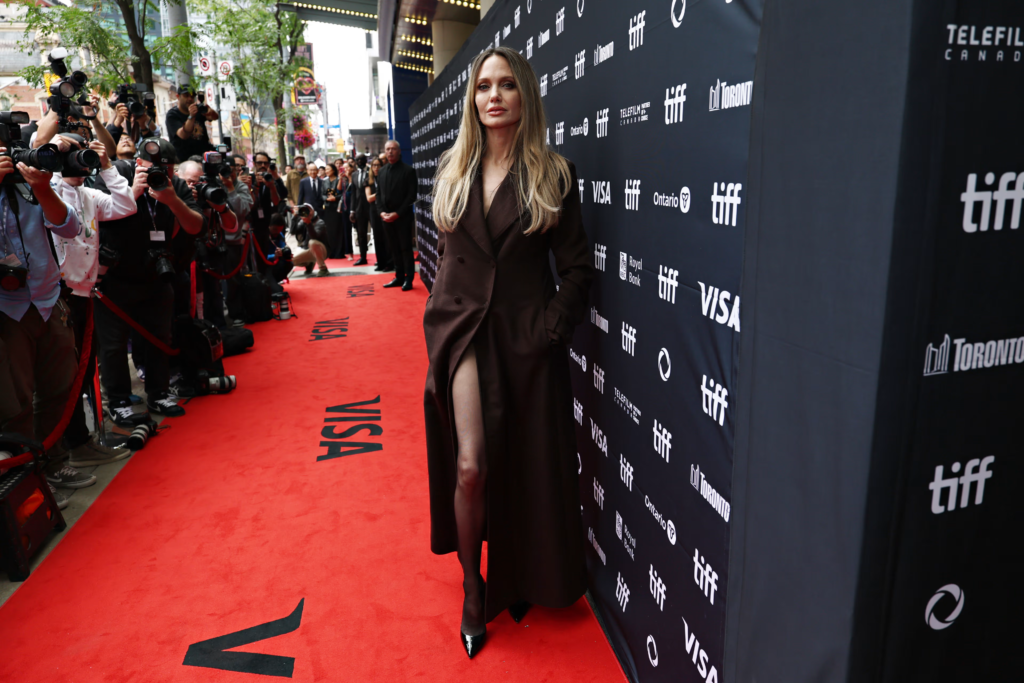
Fame provides access to better scripts, larger budgets, and long-term career stability. Yet it also magnifies mistakes and reduces privacy. According to a 2023 Pew Research Center study on social media and public figures, over 70% of Americans say they form opinions about celebrities based on online behavior as much as professional work. That statistic matters deeply for actors.
Actors now weigh fame strategically. Many accept that visibility is part of the profession but limit how it is deployed.
Common approaches include:
- Maintaining a low-frequency social media presence
- Delegating digital communication to trusted teams
- Limiting interviews to project-specific windows
- Avoiding commentary on topics unrelated to their work
Fame becomes a tool rather than a goal. Actors who last tend to view attention as something to manage, not chase.
Craft Still Determines Longevity
Despite the noise surrounding celebrity culture, acting skill remains the foundation of a sustainable career. Casting directors and producers consistently report that reliability, preparation, and adaptability outweigh short-term popularity.
Actors protect their craft in practical ways:
- Working continuously with acting coaches, even at advanced career stages
- Choosing roles that challenge technique rather than reinforce persona
- Rotating between large commercial projects and smaller character-driven films
Performers such as Denzel Washington and Frances McDormand have spoken openly about returning to theater or smaller films to recalibrate their skills. This pattern is common among actors with multi-decade careers.
Craft offers insulation. When public favor fluctuates—as it inevitably does—strong technique keeps doors open.
Public Expectation Has Become a Career Variable
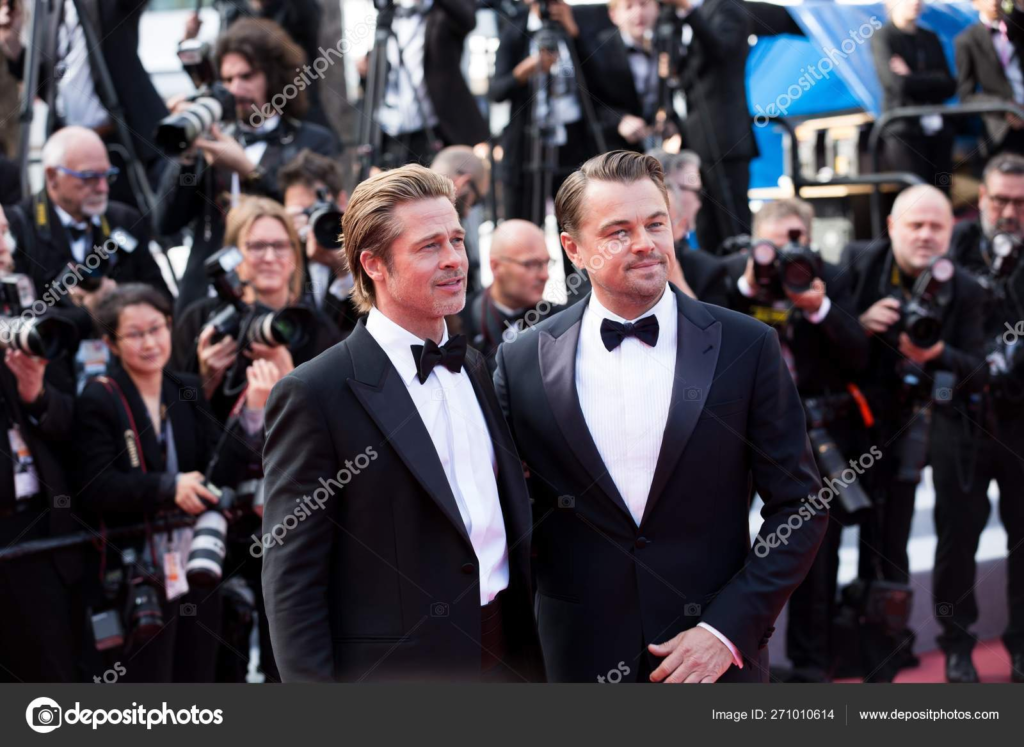
Audiences today expect more than strong performances. They expect accessibility, relatability, and perceived authenticity. This expectation can influence casting decisions, press coverage, and even box-office performance.
Actors navigate this by defining what they will—and won’t—share.
Some set firm boundaries around:
- Family and personal relationships
- Political engagement
- Real-time reactions to online controversies
Others engage more openly but on their own terms, using controlled formats such as long-form interviews or moderated appearances. The goal is consistency. Public trust erodes faster from unpredictability than from privacy.
The Streaming Effect on Actor Choices
The rise of streaming platforms has expanded opportunities while compressing timelines. Actors are now visible across multiple projects in a single year, sometimes to the point of overexposure.
This has changed how actors balance:
- Prestige versus volume
- Series commitments versus film flexibility
- Global reach versus niche storytelling
Actors increasingly evaluate projects not just on compensation, but on how each role contributes to long-term perception. Appearing everywhere can dilute impact. Strategic absence can increase it.
Navigating Social Media Without Losing Focus
Social media remains one of the most difficult balancing acts. It offers audience connection but demands constant emotional labor.
Actors who manage it well tend to:
- Post infrequently but intentionally
- Focus content on work, causes, or neutral interests
- Avoid reactive posting during controversy cycles
A 2024 USC Annenberg study on celebrity branding found that audiences respond more positively to restrained, consistent digital presences than high-volume posting. For actors, restraint often signals professionalism.
Mental Health, Burnout, and the Cost of Visibility
The conversation around mental health in Hollywood is no longer taboo, and for good reason. Continuous evaluation—by fans, critics, and algorithms—creates psychological strain.
Actors mitigate burnout by:
- Scheduling breaks between projects
- Working with therapists or performance psychologists
- Limiting press commitments during intense production cycles
Several high-profile actors, including Emma Stone, have discussed stepping back at key moments to preserve mental well-being. These decisions, once seen as risky, are now widely respected.
Role Selection as Reputation Management
Every role sends a signal. Actors are acutely aware that audiences and industry professionals read patterns into choices.
Experienced actors often follow internal guidelines:
- Avoid repeating similar character types consecutively
- Balance commercial films with artistic risk
- Decline projects that conflict with long-term goals, even if financially attractive
This discipline explains why some actors remain respected even without constant visibility. Reputation is built cumulatively, not virally.
How Actors Learn to Say No
Saying no is one of the hardest skills actors develop. Early careers reward availability; later careers reward discernment.
Actors learn to say no to:
- Roles that reinforce stereotypes
- Projects with misaligned creative leadership
- Public appearances that don’t serve professional goals
This selectivity signals maturity and often leads to better opportunities over time.
FAQs: What Americans Want to Know About Actors and Fame
1. Do movie actors enjoy fame?
Most appreciate the opportunities it brings but acknowledge the personal trade-offs.
2. How do actors protect their privacy?
By limiting social media, controlling interviews, and setting clear boundaries.
3. Does fame help or hurt acting careers?
It helps initially but can hurt if not managed carefully.
4. Why do some famous actors disappear for years?
Often by choice—rest, personal priorities, or selective role waiting.
5. How important is social media for actors today?
Useful but not mandatory; strong work still outweighs online presence.
6. Do actors still train after becoming famous?
Yes. Ongoing training is common among respected professionals.
7. How do actors handle criticism?
Many avoid reading reviews and rely on trusted feedback instead.
8. Are audiences more demanding now?
Yes. Access and visibility have increased expectations significantly.
9. Can actors recover from public mistakes?
Often, with time, consistency, and credible work.
Where Balance Becomes a Career Advantage
Actors who last are rarely the loudest or the most visible. They are the most consistent. By treating fame as a condition rather than a destination, protecting craft through discipline, and engaging public expectation selectively, they build careers that adapt to industry shifts without losing identity.
Balance is not passive. It is an active, ongoing strategy—one that separates temporary popularity from enduring respect.
What This Balance Ultimately Requires
- Clear personal boundaries
- Continuous skill development
- Strategic visibility
- Thoughtful role selection
- Willingness to step back when necessary