
Summary
Men’s fashion in the U.S. is undergoing a quiet but meaningful shift. Loud trends and short-lived statements are giving way to durable materials, timeless design, and thoughtful purchasing. This article explores why longevity now matters more than flash, how men are building smarter wardrobes, and what this evolution means for everyday style decisions.
Introduction: A Measured Change in How Men Dress
For much of the past two decades, men’s fashion cycles were driven by visibility—bold logos, seasonal drops, and trend-led wardrobes that aged quickly. Today, American men are reassessing those habits. Rising costs, environmental awareness, and lifestyle changes are shaping a preference for clothing that lasts, performs, and remains relevant beyond a single season.
This shift isn’t about rejecting style. It’s about redefining it. Longevity in men’s fashion emphasizes quality over novelty, fit over flash, and versatility over excess. The result is a more intentional approach to getting dressed—one that aligns with real life rather than fleeting attention.
Why Flash Is Losing Its Appeal
The decline of trend-heavy fashion isn’t accidental. Several practical pressures are pushing American men toward longer-lasting choices.
First, cost consciousness plays a major role. According to data from the U.S. Bureau of Labor Statistics, apparel prices have risen steadily since 2021. When clothing costs more, disposable purchases make less sense. Men are increasingly asking whether an item will still work in three or five years.
Second, lifestyle changes have blurred traditional dress codes. Remote and hybrid work environments reduced the need for rigid formalwear, but also diminished interest in novelty pieces worn once or twice. Men want clothes that transition easily between work, social settings, and travel.
Finally, sustainability awareness is influencing purchasing behavior. A 2023 McKinsey report found that durability and fabric quality now rank higher than trendiness for U.S. male shoppers under 45. Longevity is no longer a niche concern—it’s becoming mainstream.
What “Longevity” Really Means in Men’s Fashion
Longevity is often misunderstood as boring or overly conservative. In practice, it reflects thoughtful design and intentional use.
Long-lasting clothing typically shares a few defining characteristics:
- Neutral or adaptable color palettes
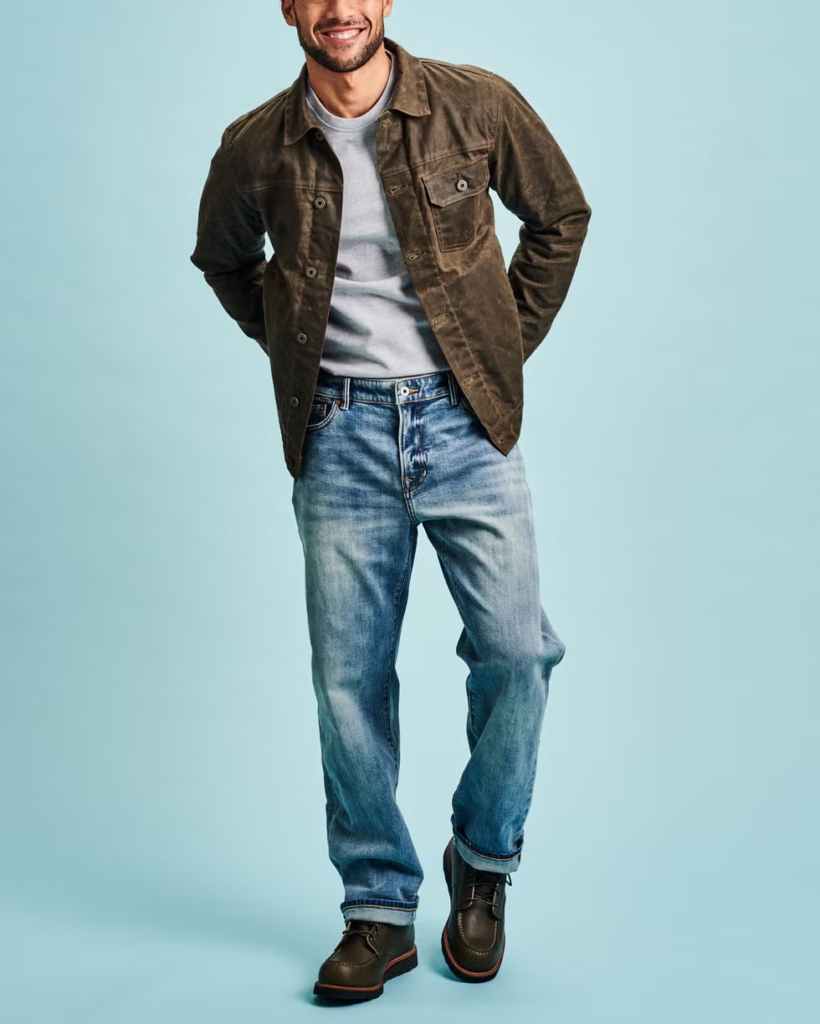
- Durable fabrics such as wool, denim, twill, and leather
- Construction methods that allow repair rather than replacement
- Designs that complement multiple settings
This doesn’t mean men are abandoning personality or self-expression. Instead, they’re investing in pieces that can be styled in different ways over time. A well-made navy blazer, for example, works across decades when paired appropriately.
The Return of Craftsmanship and Material Quality
One of the clearest indicators of this shift is renewed interest in how clothes are made. American men are paying closer attention to fabric sourcing, stitching, and construction details that were once overlooked.
Retailers report growing demand for garments labeled with:
- Fabric weight and fiber origin
- Manufacturing location
- Care and repair guidance
Brands emphasizing transparency and craftsmanship tend to earn stronger loyalty, even at higher price points. Men are more willing to pay upfront for items that retain structure and appearance after repeated wear.
Fit Over Trends: Why Tailoring Is Back
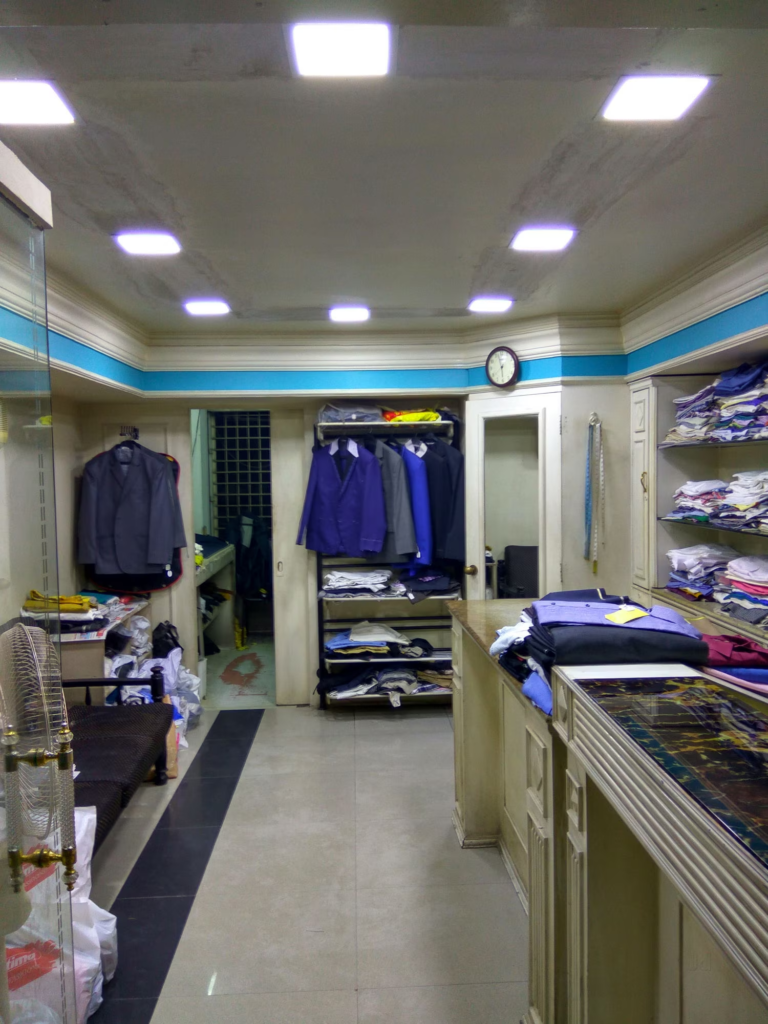
Fit has become central to longevity. Poorly fitting clothes—even expensive ones—are rarely worn long-term. As trends soften, tailoring has regained relevance across casual and professional wardrobes.
Many men now prioritize:
- Adjusting off-the-rack pieces instead of chasing new styles
- Choosing silhouettes that complement their body type rather than current trends
- Building relationships with local tailors for ongoing maintenance
This approach extends the life of clothing while improving comfort and confidence. A tailored garment doesn’t date itself quickly because it’s anchored to the wearer, not the moment.
Fewer Pieces, More Purpose
Capsule wardrobes and minimalist closets are no longer fringe ideas. They reflect a practical response to clutter and decision fatigue.
Men building longevity-focused wardrobes often follow a few guiding principles:
- Each item should serve at least two roles (work and casual, indoor and outdoor)
- Colors should coordinate easily
- Seasonal updates should complement existing pieces, not replace them
This doesn’t reduce choice—it refines it. Men report spending less time shopping and more time actually wearing what they own.
The Role of Lifestyle and Age
Longevity resonates across age groups, but for different reasons. Men in their 30s and 40s often cite time efficiency and professionalism. Younger men mention budget constraints and sustainability. Older men appreciate consistency and reduced maintenance.
Regardless of age, the unifying factor is realism. Clothing must align with daily routines, climate, and responsibilities. Flashy fashion struggles in this context because it demands attention without offering utility.
How American Brands Are Responding
Many U.S.-focused brands have quietly adjusted their strategies. Instead of rapid product turnover, they’re offering:
- Core collections that remain available year after year
- Expanded repair services and warranties
- Educational content on garment care
These shifts reflect consumer demand rather than marketing trends. Brands that succeed are those treating longevity as a feature, not a slogan.
Answering Common Search Questions
Is men’s fashion becoming more conservative?
Not necessarily. It’s becoming more intentional. Modern style still evolves, but with longer timelines and broader usability.
Are classic styles safer investments?
Generally, yes—especially when paired with quality materials and good fit.
Does longevity mean higher upfront costs?
Often, but cost-per-wear tends to be lower over time.
What fabrics last the longest?
Wool, heavy cotton, denim, and full-grain leather are among the most durable.
Is fast fashion disappearing for men?
No, but it’s losing influence among buyers prioritizing value and longevity.
How many clothes does a practical wardrobe need?
Most men function comfortably with 30–40 core items, excluding accessories.
Does tailoring really make a difference?
Yes. Proper fit extends wearability and appearance significantly.
Are neutral colors better for longevity?
They’re easier to restyle, but longevity ultimately depends on use and care.
Can trend pieces still have a place?
Yes, when they’re limited, well-chosen, and integrated thoughtfully.
Dressing for the Long Run
Longevity in men’s fashion reflects maturity—both in personal style and consumer awareness. As American men move away from attention-driven dressing, they’re discovering that clothing built to last offers more freedom, not less. Style becomes easier, more personal, and more aligned with real life when it isn’t chasing the next moment.
Key Shifts Worth Remembering
- Longevity favors quality, fit, and adaptability
- Flashy trends lose relevance faster than well-made basics
- Thoughtful wardrobes reduce cost, waste, and stress
- Modern men value clothes that support their lives, not distract from them