

Lifestyle choices—from how Americans eat and move to how they manage stress, sleep, and social connections—play a growing role in long-term well-being. This article examines the everyday decisions shaping physical, mental, and emotional health across the U.S., grounded in research, real-world examples, and practical guidance readers can apply immediately.
The Expanding Meaning of “Lifestyle” in American Life
In the U.S., lifestyle once referred primarily to visible markers—career success, housing, income level, or leisure activities. Today, it carries a deeper meaning. Lifestyle decisions increasingly describe how people structure their days, care for their health, manage pressure, and align daily habits with long-term goals.
This shift reflects changing realities. Americans are living longer, often managing chronic conditions for decades rather than years. According to the Centers for Disease Control and Prevention, six in ten U.S. adults now live with at least one chronic disease, many of which are strongly influenced by behavior rather than genetics alone.
As a result, lifestyle is no longer about aspiration—it is about sustainability.
Why Daily Choices Matter More Than Big Life Events
Major milestones like marriage, relocation, or retirement certainly affect well-being, but research consistently shows that long-term health outcomes are shaped more by repeated small decisions than by singular events.
Lifestyle decisions compound over time. The foods someone eats most days, how often they move their body, how they sleep during the workweek, and how they respond to stress accumulate measurable effects. These patterns influence inflammation, cardiovascular health, mental resilience, and even cognitive function.
A study published through Harvard T.H. Chan School of Public Health found that people who consistently followed five low-risk lifestyle behaviors—healthy diet, regular physical activity, moderate alcohol intake, adequate sleep, and not smoking—lived significantly longer and healthier lives than those who did not.
The takeaway is straightforward: what feels “normal” today often determines how healthy tomorrow looks.
Nutrition Patterns and Long-Term Health Outcomes
Diet remains one of the most influential lifestyle factors in the U.S., yet it is also one of the most misunderstood. Rather than extreme plans or short-term resets, long-term well-being is tied to consistent, realistic eating habits.
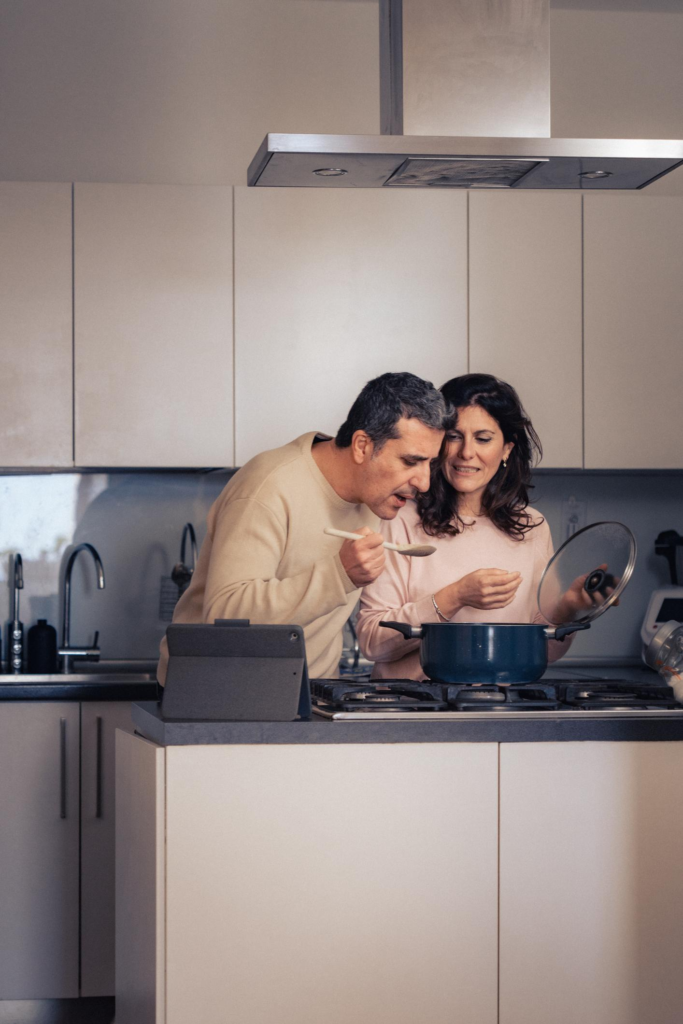
Many Americans now prioritize flexibility over restriction. This includes cooking more meals at home, reducing ultra-processed foods, and focusing on overall dietary patterns instead of counting calories.
Experience-based observations from primary care providers show that patients who adopt gradual changes—such as adding vegetables to familiar meals or reducing sugary beverages—are more likely to maintain improvements in blood sugar, cholesterol, and weight over time.
Key nutrition-related lifestyle decisions that influence long-term well-being include:
- Prioritizing whole foods over convenience foods most days
- Maintaining regular meal timing to support metabolic health
- Treating nutrition as part of routine self-care, not moral judgment
These choices tend to be more sustainable than short-lived dietary overhauls.
Physical Activity Beyond Fitness Culture
Movement has long been associated with exercise routines and gym memberships, but Americans increasingly recognize that physical activity is broader than formal workouts.
Long-term well-being benefits most from consistent, moderate movement integrated into daily life. Walking meetings, household activity, recreational sports, and commuting by foot or bike all contribute meaningfully to health.
The American Heart Association notes that even small increases in physical activity can reduce cardiovascular risk, improve mood, and support cognitive health as people age.
In real-world terms, individuals who reframe movement as functional—rather than performance-based—are more likely to maintain it. For example, choosing neighborhoods that support walkability or scheduling regular social activities that involve movement often proves more effective than relying on willpower alone.

Sleep as a Foundational Lifestyle Decision
Sleep has moved from an afterthought to a cornerstone of long-term well-being in the U.S. Chronic sleep deprivation is now linked to higher risks of obesity, depression, cardiovascular disease, and impaired immune function.
Despite this, many Americans continue to treat sleep as negotiable. Late-night screen use, irregular schedules, and work-related stress frequently undermine sleep quality.
Lifestyle adjustments that support long-term sleep health often include:
- Establishing consistent bed and wake times, even on weekends
- Reducing light and screen exposure before bed
- Designing bedrooms to support rest rather than stimulation
People who protect sleep as intentionally as diet or exercise often report improvements in energy, mood stability, and decision-making within weeks.
Stress Management and Emotional Well-Being
Stress is unavoidable, but chronic unmanaged stress is not. Long-term exposure to high stress levels has been linked to hypertension, anxiety disorders, and immune dysfunction.
Lifestyle decisions related to stress often involve boundaries rather than additions. Americans who report better long-term well-being tend to:
- Set limits around work availability
- Schedule regular periods of mental downtime
- Seek professional or community support earlier rather than later
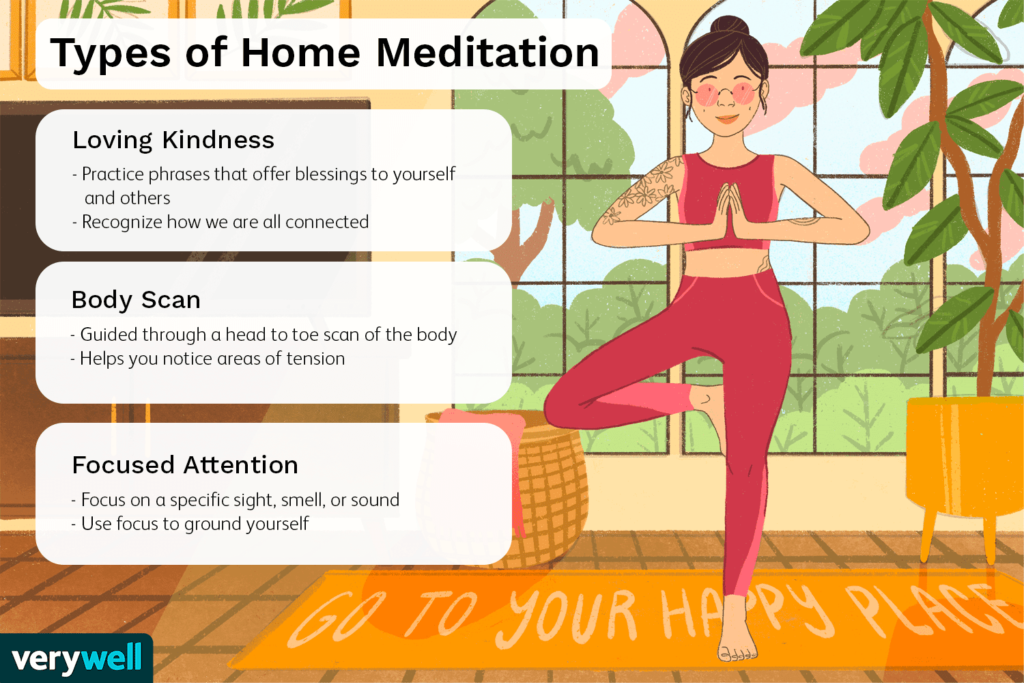
Practical examples include workers negotiating flexible schedules, parents sharing caregiving responsibilities, or individuals adopting mindfulness practices that fit their routines rather than idealized standards.
Importantly, emotional well-being improves most when stress management strategies feel realistic and culturally aligned, not prescriptive.
Social Connections and Community Health
Loneliness has emerged as a public health concern in the U.S., particularly among older adults and remote workers. Strong social ties are consistently associated with lower mortality risk, better mental health, and greater life satisfaction.
Lifestyle decisions that support connection often require intentionality:
- Maintaining regular contact with friends or family
- Participating in local groups, volunteering, or faith communities
- Designing routines that include shared experiences
Even modest increases in social engagement can produce measurable improvements in emotional resilience and perceived quality of life.
Financial Habits as a Health Factor
Financial stress is one of the most common and persistent stressors affecting American well-being. While income level matters, day-to-day financial habits often matter more.
Individuals who adopt proactive financial behaviors—budgeting, emergency savings, debt management—frequently report reduced anxiety and greater confidence about the future. Over time, this financial stability supports healthier choices related to housing, food, healthcare access, and work flexibility.
From a lifestyle perspective, financial decisions are inseparable from health decisions.
Technology Use and Behavioral Health
Technology shapes nearly every aspect of modern American life. Its impact on long-term well-being depends largely on how it is used.
Intentional technology habits—such as limiting passive scrolling, curating information sources, and protecting offline time—are associated with better mental focus and lower stress. Conversely, constant digital exposure can disrupt sleep, increase comparison stress, and fragment attention.
Lifestyle changes around technology often succeed when they focus on environment design rather than self-control, such as disabling notifications or setting device-free zones at home.
How Lifestyle Choices Interact Over Time
Lifestyle decisions rarely operate in isolation. Sleep affects food choices, stress influences physical activity, and social support shapes emotional resilience. Long-term well-being emerges from how these elements reinforce or undermine one another.
Americans who experience the most sustainable improvements typically focus on alignment rather than perfection—adjusting routines so healthier choices become easier, not harder, over time.
Frequently Asked Questions
1. Which lifestyle change has the biggest impact on long-term health?
Consistency matters more than any single habit; sleep, movement, and nutrition together have the strongest cumulative effect.
2. Can small changes really improve long-term well-being?
Yes. Research shows incremental adjustments sustained over time outperform short-term intensive efforts.
3. How does lifestyle affect mental health specifically?
Sleep, stress management, social connection, and physical activity all directly influence mood regulation and emotional resilience.
4. Are lifestyle-related health improvements realistic for busy professionals?
They are most successful when integrated into existing routines rather than added as separate tasks.
5. Does age limit the benefits of lifestyle changes?
No. Positive changes produce benefits at nearly every stage of adulthood.
6. How important is community to long-term well-being?
Social connection is a strong predictor of both physical and mental health outcomes.
7. Can financial habits really affect physical health?
Yes. Financial stress influences sleep quality, stress hormones, and healthcare access.
8. Is technology use harming long-term well-being?
It depends on use patterns; intentional use can support health, while excessive passive use can undermine it.
9. How long does it take to feel benefits from lifestyle changes?
Many people notice improvements within weeks, though long-term outcomes build over years.
A Look Ahead at Healthier American Living
Long-term well-being in the U.S. is increasingly shaped not by extraordinary interventions, but by ordinary decisions repeated daily. As Americans redefine success to include sustainability, balance, and resilience, lifestyle choices are becoming a central tool for protecting health across decades—not just years.
Key Signals That Matter Most
- Daily habits compound more powerfully than major life events
- Sustainable lifestyle changes outperform extreme short-term efforts
- Sleep, stress, movement, nutrition, and connection are deeply interconnected
- Long-term well-being improves when choices align with real life