
Summary
Energy-efficient living is no longer a niche interest—it’s steadily reshaping how Americans design, maintain, and experience their homes. From smarter insulation and appliances to everyday habit changes, efficiency is influencing comfort, costs, and long-term home value. This shift is practical, data-driven, and rooted in how people actually live.
A Subtle but Significant Shift in American Homes
Across the U.S., energy efficiency has moved from a specialized concern into a mainstream lifestyle consideration. Rather than dramatic renovations or radical changes, most households are adopting incremental improvements that quietly reshape how homes function. The shift isn’t about sacrifice—it’s about better alignment between comfort, cost control, and long-term resilience.
Rising energy prices, increased remote work, and heightened awareness of home performance have made Americans more attentive to how their homes use energy. According to data from the U.S. Energy Information Administration, the average household spends thousands of dollars annually on utilities, making efficiency a practical—not abstract—priority.
What’s notable is how this change manifests. Instead of one sweeping upgrade, homeowners and renters alike are layering improvements over time, often guided by real-world experience rather than ideology.
Why Energy Efficiency Now Fits Naturally Into Daily Life
Energy-efficient living resonates because it solves everyday problems Americans already feel. Drafty rooms, uneven temperatures, noisy HVAC systems, and high utility bills all directly affect quality of life.
Several cultural and economic factors are accelerating adoption:
- More time spent at home, especially post-2020
- Increased transparency around monthly energy costs
- Greater access to efficiency data through smart devices
- Growing emphasis on home resale value
Organizations such as the U.S. Department of Energy emphasize that many efficiency gains come from optimizing existing systems, not replacing entire homes. This framing has helped normalize efficiency as a sensible household upgrade rather than an environmental statement.
The Modern Energy-Efficient Home: What It Actually Looks Like
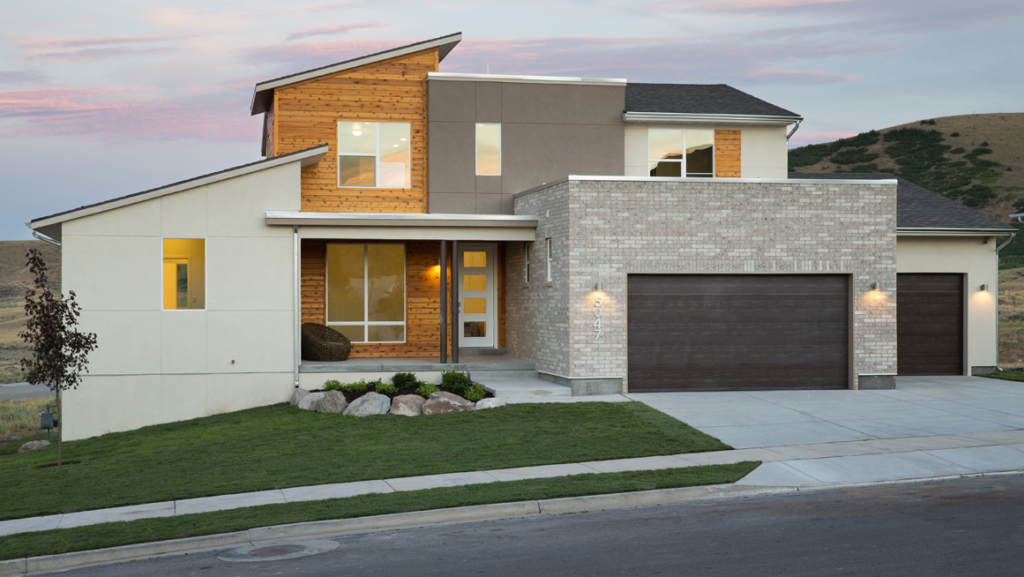
Contrary to popular belief, energy-efficient homes don’t all look the same. Most are standard American houses—colonials, ranch homes, townhomes, and apartments—updated in practical ways.
Common characteristics include better thermal control, more responsive systems, and reduced energy waste. In practice, this often means homes that feel more comfortable year-round, with fewer hot and cold spots and less reliance on constant thermostat adjustments.
Energy efficiency shows up less in aesthetics and more in performance. Homeowners often describe the difference not as “greener,” but as “quieter,” “steadier,” or “easier to manage.”
High-Impact Upgrades Americans Are Making First
Rather than starting with solar panels or major remodels, most Americans begin with upgrades that offer visible returns and minimal disruption.
These commonly include:
- Air sealing and insulation improvements to reduce drafts and temperature swings
- High-efficiency HVAC systems or targeted component upgrades
- ENERGY STAR–certified appliances that reduce electricity and water use
- Smart thermostats that adapt to daily routines
The Environmental Protection Agency reports that ENERGY STAR–certified homes can save up to 30% on energy costs compared to standard construction, reinforcing why these changes appeal to cost-conscious households.
Everyday Habits That Reinforce Energy Efficiency
Technology alone doesn’t define energy-efficient living. Small behavioral changes often amplify the impact of physical upgrades.
Examples drawn from real households include adjusting thermostat schedules to match work-from-home patterns, using ceiling fans more strategically, and shifting laundry or dishwashing to off-peak hours where applicable. These habits tend to stick because they’re intuitive and tied to immediate feedback—like lower monthly bills.
What’s important is that these changes don’t require constant effort. Once routines are established, energy efficiency becomes largely automatic.
Comfort, Health, and Indoor Living Quality
One of the most underappreciated effects of energy-efficient living is improved indoor comfort. Homes that retain heat in winter and stay cooler in summer reduce the physical stress associated with temperature fluctuations.
Better insulation and air sealing also help keep outdoor pollutants, pollen, and humidity in check. For families with allergies or respiratory sensitivities, this can translate into tangible health benefits, even if that wasn’t the original motivation for upgrades.
Energy efficiency, in this sense, supports wellness indirectly—by creating a more stable, predictable indoor environment.
Energy Efficiency and Long-Term Home Value
Efficiency improvements increasingly influence real estate decisions. Buyers are paying closer attention to utility costs, insulation quality, and system age, especially in regions with extreme weather.
Appraisers and real estate professionals note that documented upgrades—such as efficient HVAC systems or enhanced insulation—can strengthen a home’s market position. While not every improvement guarantees a higher sale price, efficiency can reduce buyer hesitation and shorten time on market.
This trend reflects a broader understanding that a home’s operating costs matter just as much as its purchase price.
Regional Differences Across the United States
Energy-efficient living looks different depending on geography. In colder northern states, insulation, windows, and heating systems take priority. In the South and Southwest, efficient cooling, reflective roofing, and shading strategies play a larger role.
Local utility incentives and state-level programs also shape adoption patterns. Many Americans are guided by rebates or tax credits that make efficiency upgrades more accessible, reinforcing the practical appeal of these changes.
How Renters Are Participating in the Shift
Energy-efficient living isn’t limited to homeowners. Renters are increasingly choosing units with efficient appliances, better insulation, or inclusive utility pricing. Portable solutions—like smart power strips, window coverings, and efficient lighting—allow renters to reduce energy use without permanent modifications.
Landlords, in turn, are responding to tenant demand by upgrading properties to reduce vacancy and operating costs. This dynamic is helping efficiency reach a broader segment of the housing market.
Looking Ahead: Efficiency as a Default Expectation
As energy-efficient features become standard rather than exceptional, Americans are beginning to expect homes to perform well by default. The future of housing points toward systems that are easier to manage, more resilient to weather extremes, and less costly to operate.
This evolution isn’t driven by sudden change, but by steady normalization. Energy efficiency is becoming less of a decision and more of a baseline.
Frequently Asked Questions
1. What is energy-efficient living in practical terms?
It means using less energy to achieve the same level of comfort and functionality through better design, equipment, and habits.
2. Do energy-efficient upgrades really lower utility bills?
Yes, especially when upgrades address insulation, heating, cooling, and major appliances.
3. Is energy efficiency only for homeowners?
No. Renters can adopt efficient habits and choose units with efficient features.
4. What’s the easiest upgrade to start with?
Sealing air leaks and switching to efficient lighting are common first steps.
5. Are smart home devices necessary?
They help, but efficiency is possible without advanced technology.
6. Does efficiency improve home comfort?
Often significantly, especially by reducing temperature swings and drafts.
7. How long do upgrades take to pay for themselves?
Payback periods vary, but many improvements show returns within a few years.
8. Are incentives available in the U.S.?
Yes, many federal, state, and local programs offer rebates or tax credits.
9. Does energy efficiency affect resale value?
Increasingly, yes—especially in competitive housing markets.
Where Efficiency Quietly Becomes the New Normal
Energy-efficient living isn’t about radical transformation. It’s about homes that work better with less effort, lower costs, and greater consistency. As Americans continue to prioritize comfort and control in their living spaces, efficiency is becoming an expected part of what “home” means—quietly, steadily, and for the long term.
At a Glance: How Homes Are Changing
- Energy upgrades are incremental, not disruptive
- Comfort and cost savings drive adoption
- Efficiency supports health and resale value
- Renters and homeowners both benefit
- Regional needs shape efficiency strategies