
Summary
Cultural experiences—local traditions, food, art, history, and community—are increasingly shaping how Americans live, work, and connect. This shift reflects changing values around identity, belonging, and meaning. From neighborhood festivals to immersive travel and digital culture, Americans are integrating cultural engagement into everyday life in practical, lasting ways.
Introduction: A Lifestyle Shift Rooted in Meaning
For much of the 20th century, the American lifestyle was defined by ownership—homes, cars, appliances, and consumer goods that signaled progress and stability. Today, that model is evolving. While material comfort still matters, many Americans are prioritizing experiences that offer cultural depth, personal growth, and social connection.
Cultural experiences—whether attending a local heritage festival, learning traditional cooking techniques, or engaging with community arts—are no longer viewed as occasional indulgences. They are becoming central to how people define fulfillment, identity, and even success. This shift is not about rejecting modern life but about enriching it with context, history, and human connection.
Why Cultural Experiences Matter More Than Ever
Several forces are driving the growing importance of culture in American daily life.
First, mobility and diversity have increased. Americans are more likely to live, work, and socialize with people from different backgrounds than in previous generations. According to Pew Research Center, the U.S. continues to grow more racially and ethnically diverse, especially in metropolitan areas. Cultural curiosity often follows exposure.
Second, digital saturation has changed how people value their time. Constant connectivity can create fatigue and disconnection. Cultural experiences—especially those that are place-based or hands-on—offer a sense of presence that screens cannot replicate.
Third, lifestyle choices are increasingly tied to values. Surveys from U.S. Travel Association indicate that many Americans now prioritize “meaningful experiences” over luxury when planning leisure time. Culture offers meaning because it connects individuals to stories larger than themselves.
Culture Beyond Travel: Everyday Experiences at Home
Cultural engagement is no longer limited to vacations or special occasions. Many Americans are integrating culture into their daily routines in practical ways.
Local food culture is a strong example. Farmers markets, regional cuisines, and family-owned restaurants are thriving not only because of taste, but because they offer a sense of place. Learning the story behind a dish—or the immigrant journey that shaped it—turns a meal into a cultural exchange.
Community arts also play a growing role. Public murals, neighborhood theaters, and cultural centers are becoming hubs for connection. Cities that invest in local arts often see stronger civic engagement and social cohesion, according to studies cited by the National Endowment for the Arts.
Cultural experiences at home often include:
- Attending local festivals or heritage celebrations
- Participating in language, dance, or craft workshops
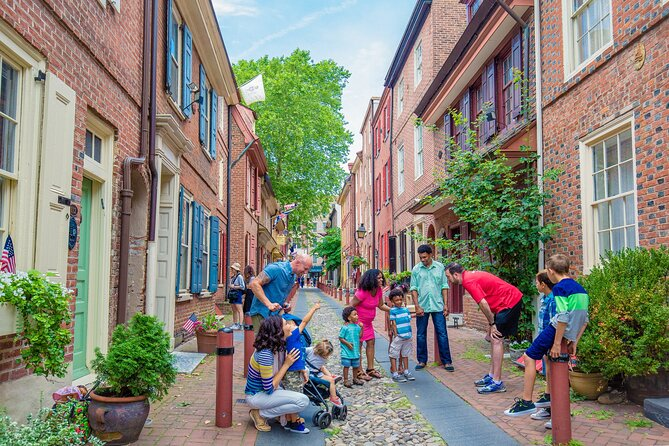
- Exploring regional history through museums or walking tours
These activities don’t require major travel or expense, yet they meaningfully shape lifestyle by fostering belonging.
How Cultural Experiences Are Influencing Work and Career Choices
Lifestyle and work are deeply connected in American culture, and cultural values are influencing professional decisions more than before.
Many professionals now consider cultural fit, community engagement, and purpose when choosing where to live or work. Remote and hybrid work models have accelerated this trend, allowing people to prioritize places with cultural richness over traditional corporate hubs.
Employers are responding as well. Companies increasingly support cultural inclusion initiatives, volunteer programs, and employee resource groups tied to heritage and identity. These efforts are not just symbolic; research shows that culturally inclusive workplaces tend to have higher retention and employee satisfaction.
For freelancers and entrepreneurs, cultural experiences often shape business ideas—from food ventures rooted in family traditions to creative services inspired by local history. Culture becomes both lifestyle and livelihood.

Cultural Travel as Lifestyle Education
When Americans travel today, many are seeking more than relaxation. They want understanding.
Cultural travel emphasizes immersion: learning how people live, work, celebrate, and remember. This might mean staying in a historic neighborhood, attending local ceremonies, or participating in community-led tours. The goal is not to “consume” culture, but to learn from it.
Importantly, these experiences often influence life back home. Travelers return with new perspectives on food, time, family structures, and sustainability. Over time, these insights shape everyday habits—from cooking differently to rethinking work-life balance.
Common questions Americans ask include:
- How can I experience culture respectfully while traveling?
- What makes a cultural experience authentic rather than performative?
- How do I support local communities when engaging with their culture?
The answers increasingly guide how Americans plan trips and evaluate destinations.
Digital Culture and the Expansion of Access
Technology has expanded access to cultural experiences, especially for those unable to travel or attend events in person.
Virtual museum tours, livestreamed performances, and online cultural education have made art, history, and traditions more accessible. While digital experiences cannot fully replace physical presence, they often serve as entry points—sparking interest that leads to deeper engagement offline.
Social media also plays a role, though with mixed effects. On one hand, it exposes Americans to diverse cultures and perspectives. On the other, it can oversimplify or aestheticize traditions. Increasingly, audiences are seeking long-form, educational content that provides context rather than just visuals.
The modern lifestyle blends digital discovery with real-world participation.
Cultural Experiences and Identity Formation
Lifestyle is ultimately about identity—how people see themselves and their place in society. Cultural experiences offer tools for exploration and affirmation.
For second- and third-generation Americans, reconnecting with ancestral traditions can strengthen identity and intergenerational bonds. For others, engaging with cultures outside their own fosters empathy and broader worldviews.
This is especially evident among younger Americans. Studies from Gallup show that Millennials and Gen Z place high value on experiences that align with personal values and social awareness. Culture provides a framework for both.
Practical Ways Americans Are Integrating Culture Into Lifestyle
Cultural engagement does not require dramatic change. Many Americans start small and build gradually.
Examples include:
- Choosing locally owned businesses that reflect community heritage
- Setting aside time for cultural education, such as lectures or exhibits
- Involving children in multicultural learning through food and storytelling
- Volunteering with cultural organizations or historical societies
Over time, these choices shape routines, relationships, and priorities.
Frequently Asked Questions
1. What counts as a cultural experience?
Any activity that engages with traditions, history, art, or shared practices of a community.
2. Do cultural experiences require travel?
No. Many are available locally through food, arts, and community events.
3. Why are cultural experiences popular among younger Americans?
They align with values around identity, purpose, and social connection.
4. How do cultural experiences influence lifestyle choices?
They affect how people spend time, choose communities, and define fulfillment.
5. Are cultural experiences expensive?
Many are low-cost or free, especially community-based activities.
6. How can families engage with culture together?
Through festivals, museums, cooking traditions, and storytelling.
7. What is the role of technology in cultural engagement?
It expands access and awareness but works best alongside real-world experiences.
8. How can Americans engage respectfully with other cultures?
By learning context, supporting local voices, and avoiding stereotypes.
9. Can cultural experiences improve well-being?
Yes, by fostering connection, curiosity, and a sense of belonging.
Where Lifestyle and Culture Quietly Intersect
Cultural experiences are reshaping the American lifestyle not through grand gestures, but through everyday choices. As people seek meaning alongside convenience, culture offers continuity in a rapidly changing world. It reminds Americans that lifestyle is not just about how we live—but why.
Key Ideas to Carry Forward
- Cultural experiences are becoming central to lifestyle decisions
- Engagement often begins locally and grows over time
- Meaning, not luxury, is driving modern preferences
- Culture strengthens identity, empathy, and community