
Summary
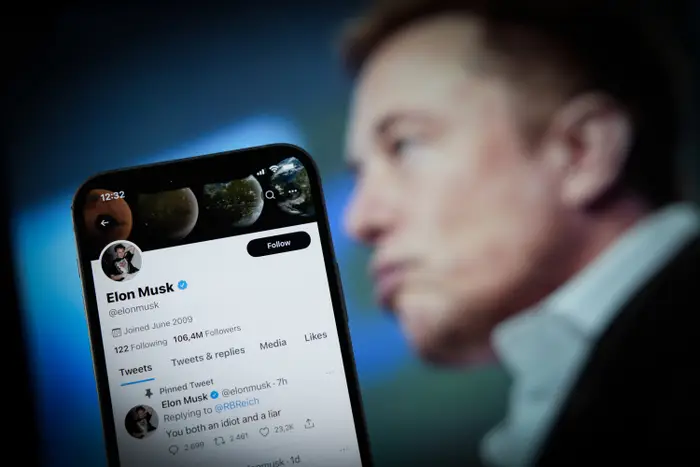
Celebrities influence cultural conversations not through deliberate messaging, but through visibility, behavior, and timing. Their choices—what they wear, say, support, or ignore—often become reference points for broader social discussions. This article explains how that influence works, why it feels organic, and what it reveals about modern American culture.
Introduction: Influence Without Intention
Most celebrities don’t wake up planning to shape national conversations. Yet again and again, their actions ripple outward—sparking debates about identity, work, politics, mental health, and values. This influence isn’t accidental, but it’s rarely orchestrated. It emerges from attention economics, media amplification, and the public’s instinct to project meaning onto familiar figures.
In the U.S., where entertainment intersects deeply with news, branding, and social platforms, celebrities function as cultural shortcuts. Their visibility makes abstract issues concrete. When audiences see a recognizable figure navigating a challenge, adopting a stance, or even making a mistake, it creates a shared reference point that fuels conversation.
Why Celebrity Actions Carry Cultural Weight
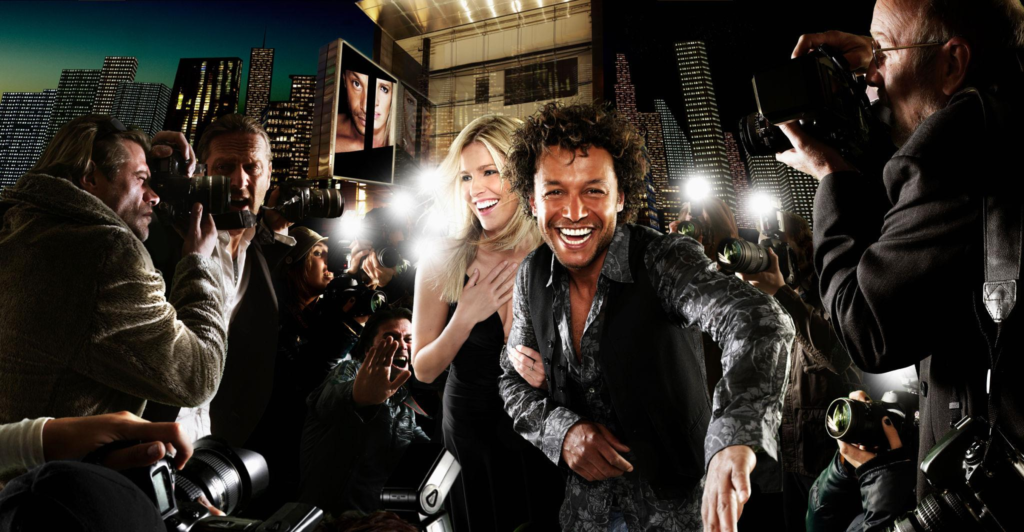
Cultural influence doesn’t require authority—it requires attention. Celebrities hold disproportionate attention, which gives their everyday choices symbolic power.
Several factors explain why this happens consistently:
- Parasocial familiarity: Audiences feel they “know” celebrities through interviews, social media, and long-term exposure.
- Media amplification: Traditional and digital media elevate celebrity actions far beyond their original context.
- Narrative framing: Journalists and commentators often interpret celebrity behavior as representative of broader trends.
For example, when Taylor Swift publicly addressed artist ownership and re-recorded her albums, it wasn’t framed merely as a contract dispute. It became a larger conversation about creative control, intellectual property, and power dynamics in the entertainment industry—topics many Americans rarely discussed before.
The Role of Timing and Visibility
Celebrities influence culture most effectively when their actions align with existing public tension. Timing matters more than intention.
A statement or decision that might go unnoticed at one moment can feel culturally significant at another. Visibility amplifies this effect. When millions of people are already debating an issue, a celebrity’s involvement acts as a catalyst rather than a cause.
Research from the Pew Research Center shows that Americans increasingly encounter news through social platforms, where celebrity content and social commentary often appear side by side. This blending makes it difficult to separate entertainment from cultural discourse—and that overlap gives celebrity actions disproportionate interpretive weight.
Fashion, Language, and Everyday Normalization
Some of the most influential cultural shifts don’t begin with statements at all. They begin with aesthetics and behavior.
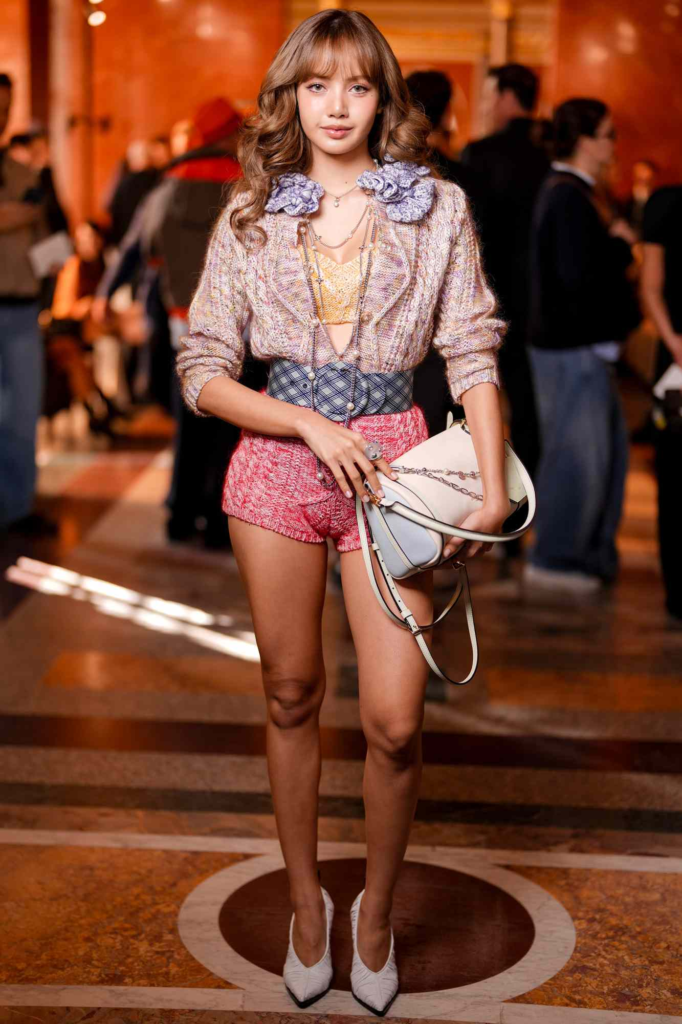
When celebrities adopt certain styles, language patterns, or routines, those choices often become normalized faster than policy-driven change ever could. Consider how:
- Casual luxury blurred traditional class signals
- Athleisure reshaped workplace dress norms
- Informal language entered professional spaces
These shifts weren’t announced. They were observed, repeated, and accepted.
When Zendaya began consistently working with stylists who emphasized cultural references and inclusive beauty standards, fashion media followed—not because she issued commentary, but because her visibility reframed what “mainstream” style could look like.
Silence as Cultural Signal
What celebrities choose not to address can be as influential as what they do.
In polarized environments, silence is often interpreted as:
- Strategic neutrality
- Quiet disagreement
- Implicit alignment
Audiences project meaning onto absence, especially during moments of social tension. This creates a paradox: celebrities who aim to avoid shaping conversations may end up shaping them through perceived disengagement.
This dynamic explains why some public figures carefully limit commentary, while others speak selectively. Neither approach prevents interpretation—it merely changes its direction.
Social Media: The Accidental Megaphone
Platforms like Instagram, X, and TikTok removed traditional filters between celebrities and audiences. What was once mediated by publicists and press releases now appears spontaneous—even when it isn’t.
Short-form posts amplify influence because they feel unpolished and immediate. A single photo, caption, or reaction can:
- Reframe public opinion
- Trigger think pieces
- Inspire imitation
When LeBron James posts about education or community investment, the response often extends beyond sports journalism into policy discussions and local initiatives—not because he positions himself as an expert, but because visibility transforms participation into symbolism.
Why Audiences Trust “Unintentional” Influence More
Americans are skeptical of overt messaging. Intentional advocacy often triggers resistance, while perceived authenticity builds trust.
Cultural influence feels more credible when it appears incidental. Audiences tend to respond more positively when they believe:
- The action wasn’t staged
- The message wasn’t scripted
- The moment wasn’t monetized
This is why unscripted interviews, candid reactions, and personal disclosures often resonate more deeply than polished campaigns. Influence emerges from relatability, not persuasion.
Data and Research Behind Celebrity Influence
Academic research supports the idea that celebrity impact is often indirect. A 2022 study published in The Journal of Communication found that celebrity behavior influences public attitudes more effectively when it is framed as personal experience rather than advocacy.
Similarly, Nielsen data consistently shows higher engagement rates for content featuring recognizable public figures—even when the subject matter is unrelated to entertainment. Recognition drives attention, and attention drives discourse.
When Influence Backfires
Unintentional influence isn’t always positive. Missteps, misinterpretations, or poorly timed actions can reinforce stereotypes or derail conversations.
Common pitfalls include:
- Oversimplifying complex issues
- Speaking outside lived experience
- Appearing performative
Public backlash often reflects broader cultural anxieties rather than individual behavior. Still, it highlights the responsibility that comes with visibility—even when influence wasn’t sought.
What This Means for Culture Going Forward
As media ecosystems fragment and trust in institutions fluctuates, celebrities will likely continue serving as informal cultural translators. Their influence won’t replace expertise, but it will shape which topics feel accessible, urgent, or relatable.
The key takeaway is not that celebrities control culture—but that culture uses celebrities as mirrors. Their actions give Americans a shared vocabulary for discussing change.

Frequently Asked Questions
1. Do celebrities intentionally try to influence culture?
Most do not. Influence typically emerges from visibility rather than strategy.
2. Why do people care so much about celebrity behavior?
Familiarity and media exposure make celebrity actions feel personally relevant.
3. Can silence really influence public opinion?
Yes. Absence is often interpreted as a position, especially during social debates.
4. Is celebrity influence stronger than expert opinion?
Not stronger, but often more visible and emotionally accessible.
5. How does social media change celebrity impact?
It removes filters and accelerates interpretation, making small actions feel significant.
6. Are younger audiences more influenced by celebrities?
Younger Americans engage more through platforms, increasing exposure—but skepticism remains high.
7. Can celebrities lose influence over time?
Yes. Relevance depends on consistency, credibility, and cultural alignment.
8. Is this influence uniquely American?
The U.S. media environment amplifies it more than most countries, but the phenomenon is global.
9. Does controversy increase cultural influence?
Sometimes—but it can also erode trust and limit long-term impact.
A Culture That Speaks Through Familiar Faces
Celebrity influence isn’t about authority or expertise. It’s about presence. In a crowded information landscape, familiar faces become cultural reference points—not because they ask to be, but because attention gathers around them. Understanding this dynamic helps audiences engage more thoughtfully with the conversations unfolding around them.
Key Ideas Worth Remembering
- Visibility, not intent, drives cultural influence
- Timing amplifies meaning more than messaging
- Silence communicates as much as speech
- Audiences trust perceived authenticity
- Celebrities reflect culture as much as they shape it