
Summary
In 2026, Americans are rethinking digital organization as daily life becomes more app-heavy and attention-scarce. This shift favors fewer tools, clearer systems, and habits that reduce cognitive load. From email and files to notes and tasks, people are adopting calmer, more intentional approaches that prioritize clarity, continuity, and long-term usefulness over constant optimization.
For years, digital organization in the U.S. followed a predictable pattern: more apps, more folders, more systems promising control over modern life. By 2026, that mindset is changing. Americans are not abandoning digital tools—but they are questioning how many they truly need, how much attention they should demand, and whether organization should feel this hard.
The shift is subtle but meaningful. Instead of chasing the newest productivity method, people are refining simpler systems that fit their routines. Instead of perfectly categorized folders, they’re choosing structures that are easy to maintain when life gets busy. Digital organization is becoming less about optimization and more about sustainability.
This evolution reflects deeper changes in work culture, technology design, and how Americans define productivity itself.
Why Digital Organization Feels Harder Than It Used To
Most Americans now manage a mix of work, personal, and shared digital spaces. Email alone can involve multiple accounts. Add messaging platforms, cloud storage, notes, calendars, and project tools, and the mental overhead compounds quickly.
Research from Pew Research Center shows that over 80% of U.S. adults feel overwhelmed by the amount of information they manage daily. The issue isn’t access—it’s fragmentation. Information is spread across too many places, each with its own logic.
What’s changing in 2026 is awareness. People are recognizing that disorganization isn’t a personal failure—it’s often a design problem. That realization is reshaping how they choose and use tools.
The Move From “More Tools” to “Fewer, Better Systems”
In the past, Americans often added apps to solve problems created by other apps. A task manager to track emails. A notes app to summarize meetings. A file system to organize documents generated by multiple platforms.
In 2026, many are reversing that approach. Instead of stacking tools, they are consolidating.
This doesn’t mean using one app for everything. It means reducing overlap. For example, someone might keep notes, tasks, and reference material in one primary workspace rather than spreading them across four apps that require syncing and maintenance.
People are asking practical questions:
- Where do I naturally look first?
- Which tool do I trust long-term?
- What system still works when I skip a week?
The answers are driving simpler setups that prioritize reliability over features.
Email Is No Longer the Center of Digital Life
Email once served as the default archive, to-do list, and communication hub. In 2026, Americans are deliberately removing email from that role.
Rather than aiming for “inbox zero,” many are using email as a temporary holding space. Important information gets moved into a trusted system—notes, tasks, or project spaces—while the inbox remains a flow channel, not a storage system.
This shift reduces anxiety and decision fatigue. It also reflects a growing understanding that email was never designed to manage modern workloads.
Professionals increasingly separate:
- Communication (email and messaging)
- Decisions (notes and documentation)
- Action (tasks and calendars)
That separation makes digital organization more intuitive and less emotionally charged.
File Organization Is Becoming Context-Based, Not Perfectly Structured
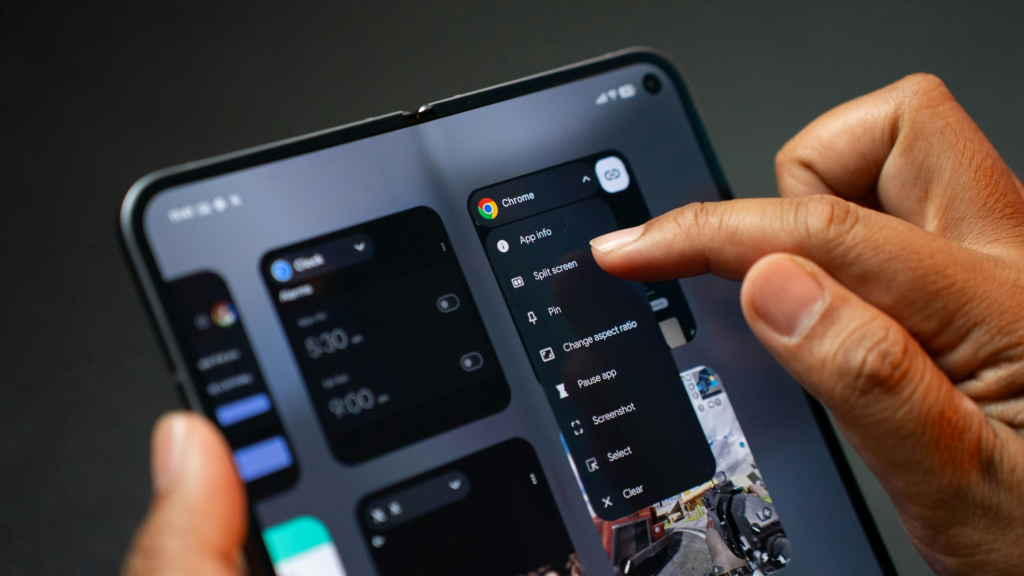
Traditional folder hierarchies assumed people would remember where everything belonged. In reality, most Americans search rather than browse. By 2026, digital organization reflects that behavior.
Instead of deeply nested folders, people are using:
- Broader categories
- Consistent naming conventions
- Search-friendly file titles
Cloud storage platforms now encourage this by surfacing recent, relevant, or shared files rather than forcing navigation through rigid trees.
What matters is retrievability, not visual neatness. Americans are increasingly comfortable with “good enough” organization if it means faster access and less upkeep.
Notes Are Replacing Documents for Everyday Thinking
One of the clearest shifts in 2026 is how Americans capture information. Long documents are reserved for final outputs. Notes are where thinking happens.
People are using notes to:
- Capture meeting highlights
- Store personal reference material
- Track ongoing decisions
- Save links and context they’ll need later
This reflects a broader cultural change. Work and life are more iterative, and notes support that reality better than static files.
Importantly, Americans are choosing note systems that feel forgiving. If a note is messy but useful, it’s considered successful. The pressure to keep everything polished is fading.
Digital Organization Is Becoming Habit-Driven, Not System-Driven
One reason traditional productivity systems failed is that they required constant maintenance. In 2026, Americans are designing systems around habits they already have.
For example:
- Reviewing tasks during morning coffee
- Cleaning up digital clutter on Fridays
- Saving reference material immediately after meetings
These small, repeatable behaviors matter more than complex frameworks. People are learning that a simple system used consistently beats a perfect system used occasionally.
This habit-first mindset also reduces guilt. Organization becomes a support mechanism, not another standard to live up to.
Personal and Work Digital Lives Are Blending—Carefully
Remote and hybrid work have blurred boundaries. In response, Americans are rethinking how they separate—or intentionally combine—personal and professional digital spaces.
Some maintain distinct accounts and tools. Others use shared systems with clear tagging or naming conventions. What’s new in 2026 is intentionality.
Instead of default separation, people are asking:
- What actually needs to be separate?
- Where does overlap reduce friction?
- How can organization support balance rather than undermine it?
The answers vary, but the trend is thoughtful customization rather than rigid rules.
Search, Automation, and AI Are Supporting—Not Replacing—Organization
Automation and AI are playing a quieter role in digital organization than headlines suggest. Americans value assistance, not control.
Features that are gaining trust include:
- Smart search that surfaces relevant files
- Automatic linking between related notes
- Gentle reminders based on behavior patterns
What people resist are systems that feel opaque or overly prescriptive. Trust is built when tools explain their logic and allow manual override.
In 2026, digital organization tools succeed when they reduce friction without demanding constant attention.
What Americans Are Searching For in 2026
Common questions driving this shift include:
- “How do I organize digital files without spending hours?”
- “What’s the simplest way to manage tasks and notes together?”
- “How do I keep work and personal life organized digitally?”
- “What system actually works long-term?”
The consistent theme is sustainability. Americans are less interested in dramatic transformations and more focused on systems that quietly support daily life.
The Emotional Side of Digital Organization
Perhaps the most important change is emotional. Digital clutter creates stress, but overly rigid systems create pressure. In 2026, Americans are seeking calm.
Organization is no longer about control—it’s about clarity. A system that reduces anxiety, even if imperfect, is considered successful.
This reframing is why fewer tools, gentler habits, and flexible structures are winning out. Digital organization is becoming a background process, not a performance.
Frequently Asked Questions
1. What is digital organization in practical terms?
It’s how you store, find, and act on digital information—emails, files, notes, and tasks—without unnecessary friction.
2. Why are Americans using fewer productivity apps in 2026?
Because overlapping tools increase maintenance and cognitive load without improving outcomes.
3. Is inbox zero still relevant?
For some, yes—but many Americans now treat email as a temporary channel rather than a task manager.
4. How should files be organized today?
Broad categories, clear naming, and search-friendly structures matter more than perfect folder trees.
5. Are notes replacing documents?
For everyday thinking and reference, yes. Documents are increasingly reserved for final outputs.
6. How often should digital systems be reviewed?
Most people benefit from light weekly reviews rather than large, infrequent cleanups.
7. Is it okay if my system isn’t perfect?
Absolutely. Usefulness and consistency matter far more than visual perfection.
8. How do AI features help with organization?
They assist with search, connections, and reminders—but work best when they remain transparent and optional.
9. Should work and personal systems be separate?
Only where separation reduces stress. Many Americans now blend them thoughtfully.
Where Digital Organization Is Quietly Headed
By 2026, digital organization in the U.S. is less visible but more effective. The most successful systems don’t announce themselves. They work quietly in the background, supporting focus, reducing stress, and adapting to real life.
Americans are no longer asking how to organize everything. They’re asking how to organize just enough—and that shift is making all the difference.
What This Shift Reveals at a Glance
- Fewer tools are replacing complex app stacks
- Habits matter more than frameworks
- Search and retrieval outweigh visual order
- Calm and clarity are becoming primary goals