
Summary
As digital tools blend seamlessly into everyday life, Americans are quietly reshaping what privacy means. This article explores how social media, smart devices, workplace tech, and cultural norms are redefining personal boundaries—highlighting practical strategies people use today to stay connected while protecting their data, identity, and peace of mind.
The End of “Offline” as a Default State
For much of American history, privacy was defined by physical space: the home, a closed door, a private phone call. Today, that framework no longer holds. Smartphones, cloud services, social media platforms, and connected devices have turned daily life into a continuous digital stream.
According to Pew Research Center, over 85% of U.S. adults own a smartphone, and most report being online “almost constantly.” This shift has not eliminated the desire for privacy—it has changed how privacy is practiced.
Instead of opting out, Americans are adapting. They are renegotiating boundaries, redefining what is acceptable to share, and deciding—often platform by platform—what parts of life remain private.
Privacy Has Become Contextual, Not Absolute
One of the clearest changes is that privacy is no longer all-or-nothing. It is situational.
Many Americans are comfortable sharing:
- Photos from a vacation
- Professional milestones
- Opinions on public issues
But they increasingly hesitate to share:
- Their children’s faces
- Real-time location data
- Health, financial, or emotional struggles
This selective approach reflects a broader cultural shift. Privacy is now context-dependent, shaped by audience, platform, timing, and perceived permanence.
A LinkedIn post feels different from an Instagram Story. A group text feels safer than a public feed. Americans are learning to treat each digital space as a separate room rather than one open hall.

Social Media: From Oversharing to Intentional Presence
In the early days of social media, visibility was often rewarded. Posting frequently and publicly helped people build networks and gain attention. That dynamic still exists—but attitudes are changing.
Today, many users:
- Maintain “public” and “private” accounts
- Use Close Friends or private groups
- Share less frequently but more deliberately
- Remove old posts that no longer reflect who they are
This shift is particularly visible among millennials and Gen Z, who grew up online and are now more aware of digital footprints. Privacy is no longer about disappearing; it’s about curation and control.
People are asking practical questions:
- Who is this for?
- How long will this exist?
- Could this affect me professionally or personally later?
Those questions are redefining online behavior at scale.
The Workplace Has Changed Privacy Expectations
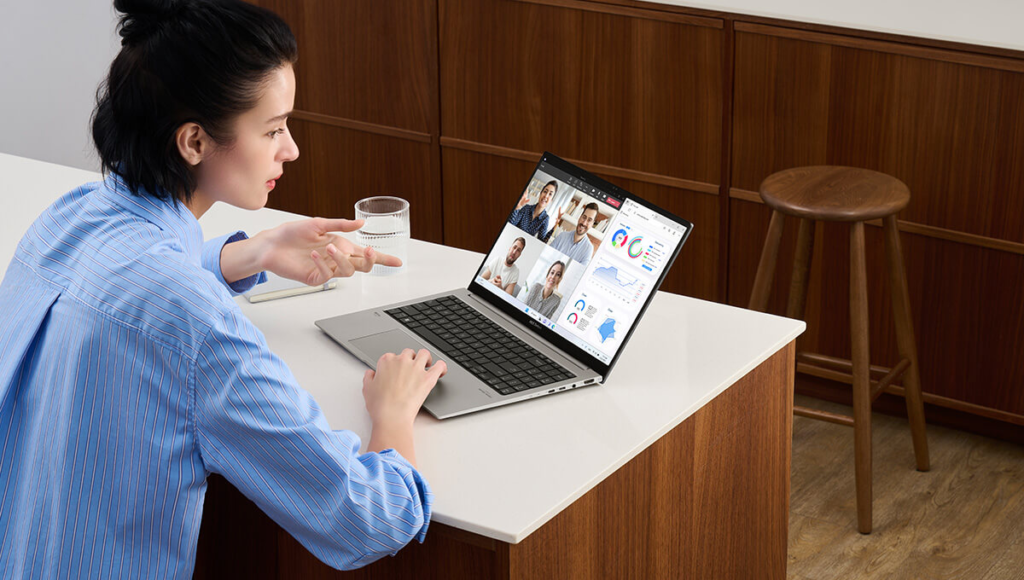
Remote and hybrid work have brought privacy concerns directly into American homes. Video meetings expose living spaces. Messaging platforms blur work and personal time. Productivity software tracks activity in ways that were once unimaginable.
Many professionals now negotiate privacy through behavior rather than policy:
- Turning cameras off when possible
- Using virtual backgrounds
- Keeping work apps off personal phones
- Setting clearer availability boundaries
At the same time, employers face growing pressure to respect digital privacy. Surveys from Gallup show that employees increasingly value autonomy and trust over monitoring. The modern workplace is becoming a key battleground in the privacy conversation.
Smart Devices and the Trade-Off Americans Are Making
Smart speakers, fitness trackers, doorbell cameras, and connected cars promise convenience—but they also collect continuous data.
Most Americans understand this trade-off. What’s changing is how consciously they accept it.
Instead of asking, “Is this private?” many now ask:
- Is the benefit worth the data exchange?
- Can I control what’s collected?
- Who else might access this information?
This mindset has led to practical behaviors:
- Disabling default data sharing settings
- Avoiding voice assistants in private spaces
- Choosing devices with clearer privacy policies
- Periodically deleting stored data histories
Privacy has become a maintenance activity, not a one-time decision.
Parenting in a Sharable World
Parents are among the most privacy-aware groups online. The rise of “sharenting” has prompted serious reflection about consent, identity, and long-term consequences.
Many American parents now:
- Avoid posting children’s names or schools
- Blur faces or share from behind
- Limit posts to private family groups
- Ask older children for permission before sharing
This reflects a broader cultural recognition: digital privacy isn’t just individual—it’s generational. Decisions made today can shape a child’s digital identity for decades.
Legal Protections Lag Behind Cultural Change
While Americans are redefining privacy socially, laws are still catching up. The U.S. lacks a single comprehensive federal privacy law, relying instead on a patchwork of state regulations and sector-specific rules.
States like California, Virginia, and Colorado have passed consumer privacy laws, but enforcement and awareness remain uneven. As a result, many Americans rely more on personal strategies than legal protections.
This gap explains why digital literacy—understanding settings, permissions, and data practices—has become a form of self-defense.
How Americans Actively Protect Their Privacy Today
Across age groups and regions, certain behaviors are becoming mainstream:
- Regularly reviewing app permissions
- Using password managers and two-factor authentication
- Being cautious with quizzes, giveaways, and data requests
- Separating personal, professional, and anonymous online identities
- Accepting that some convenience must be sacrificed
These habits aren’t driven by paranoia. They reflect a pragmatic understanding of modern life.

Frequently Asked Questions
1. Do Americans still care about privacy online?
Yes. Surveys consistently show high concern, even as people continue using digital services.
2. Why do people share so much if privacy matters?
Because connection, work, and convenience often outweigh abstract risks in daily decisions.
3. Is deleting social media the best solution?
For most people, no. Selective use and better settings are more sustainable.
4. Are younger generations less concerned about privacy?
They are often more strategic, not less concerned.
5. How does privacy affect mental health?
Constant visibility can increase stress, which is why digital boundaries matter.
6. Are smart devices safe to use?
They can be, if users understand and manage data settings.
7. What’s the biggest privacy mistake people make?
Assuming default settings are designed in their best interest.
8. Can privacy really be protected anymore?
Not perfectly—but meaningfully, yes.
9. Should privacy be taught in schools?
Many experts argue digital literacy is now essential life education.
A Culture of Conscious Visibility
Americans are not retreating from digital life. They are learning to live within it more thoughtfully. Privacy today is less about secrecy and more about intention—deciding when to be seen, by whom, and on what terms.
This cultural shift may be quieter than past debates, but it is reshaping how society understands identity, autonomy, and trust in an always-online world.
What This Moment Reveals About Modern American Life
- Privacy has become flexible and contextual
- Digital boundaries are now a life skill
- Convenience and control are constantly negotiated
- Cultural norms are evolving faster than laws