
Summary
Americans are increasingly adopting eco-friendly habits as part of daily life—from reducing waste and conserving water to buying sustainable products and rethinking transportation choices. These shifts reflect growing environmental awareness, practical consumer demand, and tangible lifestyle adjustments that collectively reduce personal environmental impact without requiring extreme change.
Growing Interest in Everyday Sustainability
Across the United States, ordinary life increasingly includes ordinary acts of sustainability. Recent surveys show that 95% of Americans rate their lifestyle as at least somewhat eco-friendly, and a substantial portion say they’ve made specific changes such as recycling diligently, conserving water, and avoiding single-use plastics.
This trend isn’t just about environmental concern; it’s about adapting daily routines in ways that are practical, achievable, and relevant to modern American life. Eco-friendly living doesn’t have to be radical—small, consistent choices can and do make a measurable difference.
Everyday Habits That Add Up
Recycling and Waste Reduction
One of the most widespread eco-friendly practices in the U.S. is recycling. Most Americans report recycling all or most recyclable materials at home, a habit that has become a default part of household routines.
Why it matters:
- Reduces landfill burden
- Conserves resources
- Supports circular material flows
Some Americans also make conscious efforts to minimize trash generation by choosing products with less packaging, buying in bulk, and avoiding disposable items—a practice reported by nearly two-thirds of adults in summer lifestyle surveys.
Conscious Consumption
Sustainability isn’t just a buzzword for many households—it’s a shopping principle. Nearly half of U.S. consumers reported buying an environmentally friendly product in the past month, up significantly from previous years, and many more say they want to but are limited by price or availability.
Examples include:
- Choosing products with recycled, minimal, or plastic-free packaging
- Supporting brands with transparent sustainability practices
- Favoring products with third-party certifications
These practical buying decisions are reshaping how everyday items—from cleaning products to food and clothing—fit into sustainable routines.
Water Conservation
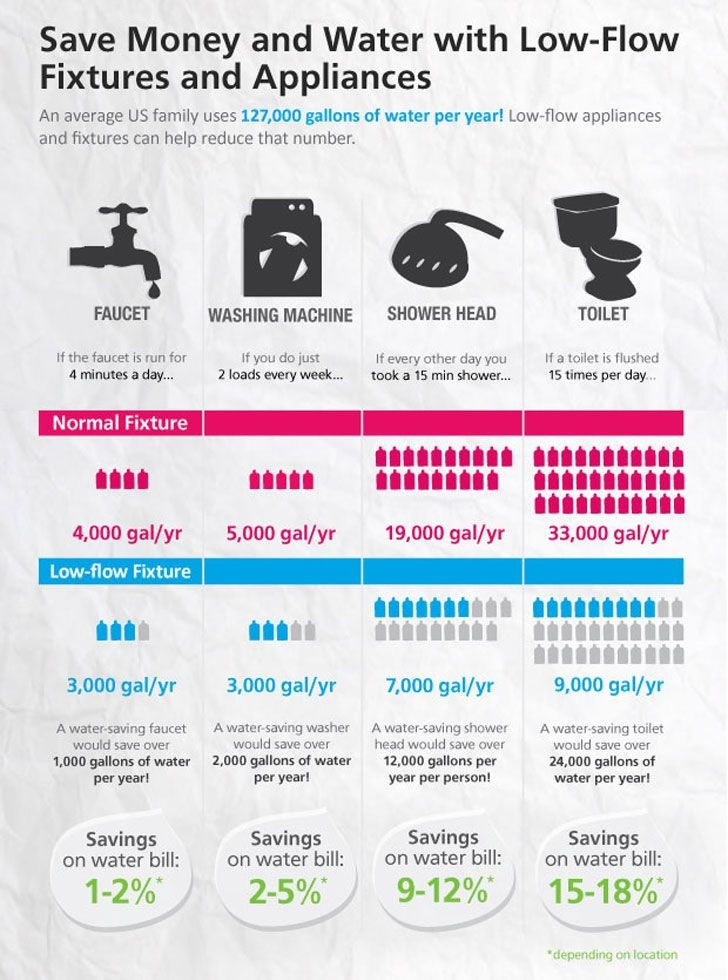
Water waste is a significant environmental and economic issue in the U.S., with the average American household using roughly 82 gallons of water per day at home.
Practical conservation habits increasingly embraced by Americans include:
- Taking shorter showers
- Running dishwashers and laundry only when full
- Installing low-flow fixtures and water-efficient toilets
- Turning off taps while brushing teeth
The U.S. Environmental Protection Agency (EPA) reports that simple efficiency upgrades and mindful habits can reduce household water use by at least 20% and save thousands of gallons annually.
Energy Efficiency at Home
Reducing energy use is another daily behavior that’s quickly becoming part of mainstream American life. People are:
- Switching to LED lighting
- Unplugging unused electronics
- Using smart thermostats
- Exploring renewable energy options such as rooftop solar
These aren’t extreme measures; they are built into smart home design and everyday routines. Energy-efficient habits not only lower utility costs but also reduce greenhouse gas emissions tied to electricity production.
Transportation Choices
Transportation represents one of the largest components of individual carbon footprints. While many Americans still rely on personal vehicles, a growing share are choosing practical alternatives, such as:
- Walking or bicycling for short trips
- Carpooling
- Using public transit
- Choosing electric vehicles or e-bikes where feasible
These habits reflect shifting priorities—less about dramatic lifestyle overhaul and more about integrating lower-impact choices where and when they make sense.
How Households Build Sustainable Routines
Normalizing Reusable Items
One of the simplest habits that many Americans adopt is carrying reusable items:
- Refillable water bottles
- Cloth shopping bags
- Reusable containers and utensils
Nearly half of Americans plan to use reusable bags and bottles more frequently as part of their eco-friendly plans.
These habits remove single-use plastics from daily life and cement a mindset of ongoing, low-effort sustainability.
Food Choices and Waste Reduction
Food practices are a major focus of eco-friendly routines. Significant numbers of Americans are:
- Reducing food waste at home
- Composting kitchen scraps where possible
- Choosing plant-forward meals
- Buying locally grown or seasonal produce
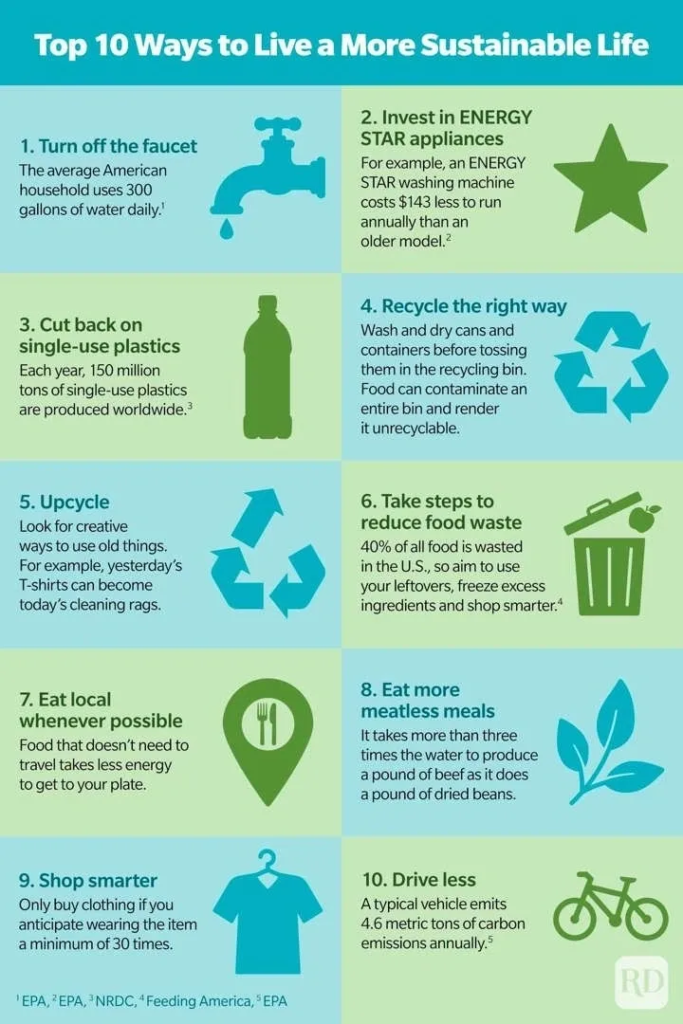
Experts estimate that roughly 30–40% of U.S. food is wasted, making conscious food habits a significant lever for sustainability.
Simple actions like meal planning, storing leftovers properly, and composting not only reduce environmental impact but often save money.
Family and Community Habits
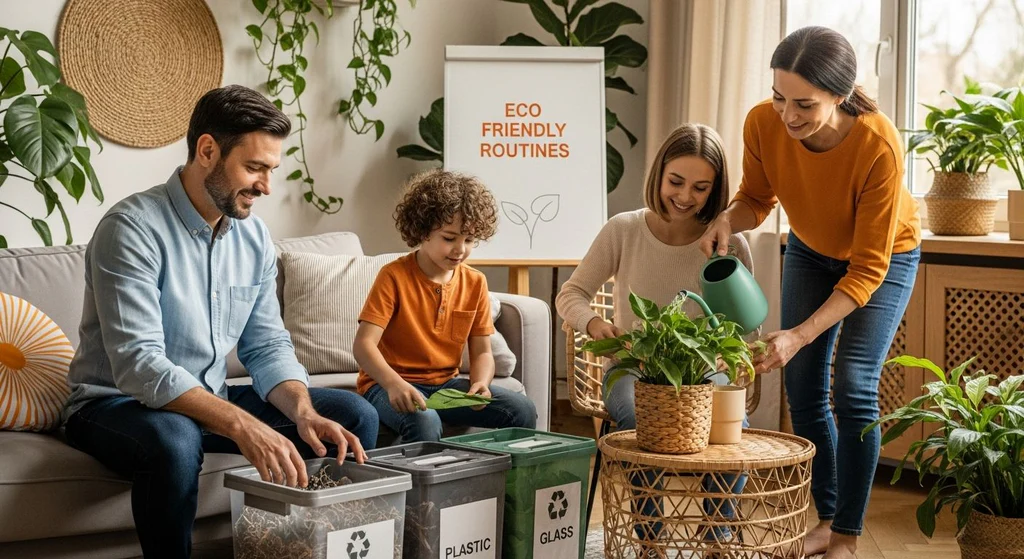
Sustainable living often begins at home, and many families incorporate teachable eco-friendly habits into their routines. Reducing, reusing, and recycling can be a practical family project that becomes second nature over time.
In communities across the country, neighborhood programs, recycling challenges, and local conservation initiatives further embed eco-friendly habits into everyday life.
Breaking Down Barriers
Not all Americans find sustainability easy. Many people report “eco guilt”—remembering times they could have made greener choices but didn’t. A survey found that the typical person feels this way nearly four times per month, often due to common lapses like wasting food, leaving lights on, or neglecting recycling.
This points to a deeper reality: people want to be eco-friendly, but convenience, time pressure, and conflicting priorities sometimes interfere. The key insight from this experience is that people are more likely to sustain habits that feel easy and integrated into daily life—not burdensome or idealized.

Frequently Asked Questions
1. What does “eco-friendly lifestyle” mean in practical terms?
It refers to daily habits and choices—such as reducing waste, conserving water and energy, and choosing sustainable products—that collectively reduce environmental impact without requiring extreme behavior changes.
2. Which eco habits are most common among Americans?
Common habits include recycling extensively, reducing trash, conserving water and electricity, using reusable items, and choosing sustainable products.
3. Do Americans actually buy sustainable products?
Yes, nearly half of U.S. consumers report purchasing environmentally friendly products in the past month, and many more express interest in doing so.
4. How can families make eco-friendly habits part of their home life?
Families can focus on easy routines like sorting recyclables, using reusable bags and bottles, conserving water, and involving kids in composting and waste reduction.
5. Does conserving water really make a difference?
Yes—simple changes like shorter showers, fixing leaks, and water-efficient fixtures can significantly lower household water use and costs.
6. Are eco-friendly habits expensive to adopt?
Not necessarily. Many habits—like recycling better, carrying reusable items, or turning off unused lights—cost little or nothing, and many energy-efficient upgrades save money over time.
7. How do transportation choices influence sustainability?
Choosing lower-emission options such as biking, walking, public transit, and electric vehicles reduces per-person carbon emissions and supports healthier routines.
8. Can sustainable food habits help the environment?
Yes—reducing food waste, composting, and choosing seasonal or plant-forward foods all contribute to lower environmental impact.
9. Why do many Americans feel eco guilt?
Many want to live sustainably but occasionally slip into less eco-friendly behaviors due to stress or convenience, leading to “eco guilt.”
10. How can communities support sustainable habits?
Local recycling programs, community gardens, green challenges, and public education campaigns all reinforce eco-friendly practices in everyday life.
Living Sustainably in Everyday Decisions
Americans aren’t waiting for sweeping systemic change to live more sustainably. They’re building eco-friendly habits into daily routines—recycling more consistently, choosing sustainable products, conserving water and energy, rethinking transportation, and teaching these habits to their families. What unites these practices isn’t perfection, but persistence: simple, manageable steps that add up over time and reflect a practical approach to everyday sustainability.
Key Points at a Glance
- Widespread recycling and waste reduction
- Rising consumer demand for sustainable products
- Practical water and energy conservation methods
- Transportation choices that reduce emissions
- Family and community engagement in eco habits