
Summary
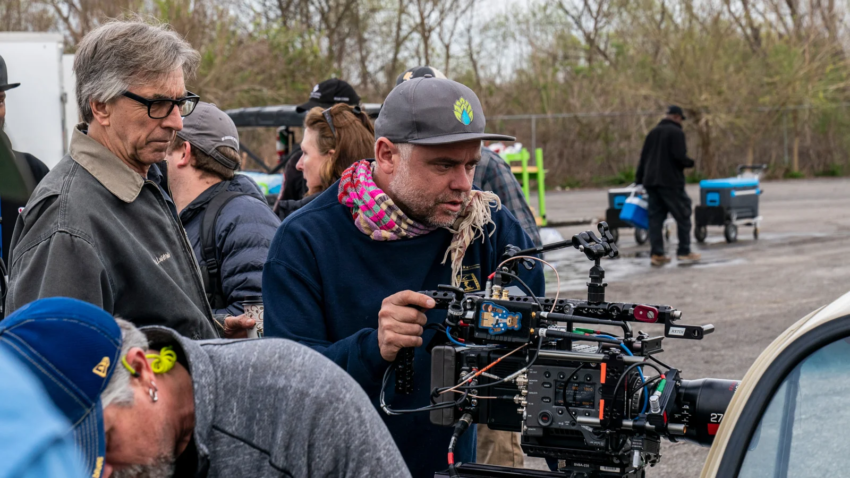
A new generation of American film directors has moved from small-budget indie projects to commanding major studio releases—without abandoning their creative identities. This in-depth guide explores how those transitions happen, which skills translate best, and what recent breakout directors reveal about the evolving economics, risks, and opportunities shaping modern Hollywood.
The Quiet Shift Reshaping American Filmmaking
Over the past decade, Hollywood has undergone a structural transformation that is easy to miss but impossible to ignore once seen. Studio executives, streamers, and financiers are increasingly entrusting large-scale films to directors who began their careers outside the traditional system—often in regional film scenes, festival circuits, or low-budget independent productions.
This is not simply a talent pipeline story. It reflects changing audience expectations, altered risk calculations, and the growing influence of directors who can combine artistic credibility with commercial awareness. For U.S. audiences, the result is a noticeable shift in tone, theme, and authorship across mainstream releases.
What Defines an “Indie” Director in the U.S. Market?
In American cinema, “independent” does not just describe budget size. It usually signals a filmmaker who operates with greater creative control, limited financial backing, and a hands-on approach to storytelling.
Most indie directors share several formative experiences:
- Writing or co-writing their own scripts
- Managing compressed shooting schedules
- Working with unknown or first-time actors
- Navigating festivals such as Sundance, SXSW, or Telluride
These constraints often produce strong creative instincts. According to data from the Sundance Institute, films that premiere at major U.S. festivals are increasingly serving as launchpads for studio careers, especially when they demonstrate disciplined storytelling and efficient production management.

From Festivals to Studio Lots: How the Transition Happens
The leap from indie filmmaking to studio-backed projects is rarely sudden. It tends to follow a multi-step progression that balances artistic trust with commercial proof.
A typical pathway includes:
- Critical validation from festivals or awards bodies
- Demonstrated audience engagement, not just box office totals
- Professional collaboration skills, particularly with producers and financiers
Studios are not looking for experimental filmmakers alone. They want directors who can manage scale, collaborate under pressure, and still deliver a distinct point of view.
Directors Who Made the Leap—and What Set Them Apart
Several American and international filmmakers exemplify this shift, each taking a slightly different route into studio prominence.
Greta Gerwig
Gerwig’s early work in the mumblecore movement emphasized dialogue-driven realism and intimate character studies. Her progression toward large-scale studio films illustrates how emotional intelligence and narrative clarity can translate across budgets. Studios recognized her ability to communicate with both actors and audiences—a critical asset in franchise-scale projects.
Jordan Peele
Peele’s background in comedy sharpened his understanding of audience psychology. His indie-rooted debut proved that socially grounded storytelling could generate significant box office returns. For studios, this combination of originality and financial viability made him a rare asset.
Chloé Zhao
Zhao’s naturalistic visual style and emphasis on lived experience initially placed her outside mainstream Hollywood norms. Yet her disciplined approach to production and strong visual authorship demonstrated how indie aesthetics could scale without losing integrity.
Ryan Coogler
Coogler’s early work balanced social realism with accessible storytelling. His ability to collaborate effectively with studios while maintaining cultural specificity helped redefine expectations for director-led blockbuster filmmaking.
Barry Jenkins
Jenkins’ transition highlights the value studios place on emotional precision. His indie projects demonstrated a rare command of tone and pacing—qualities that studios increasingly see as differentiators in a crowded content market.
Why Studios Are Betting on Indie Voices
From a business perspective, the shift toward indie-rooted directors is not sentimental—it is strategic.
Studios face mounting pressure from:
- Fragmented audiences
- Streaming competition
- Rising production and marketing costs
Directors with indie backgrounds often bring cost discipline, creative adaptability, and narrative clarity. According to reports from the Motion Picture Association, mid-budget films led by distinctive directors have shown stronger long-term performance on streaming platforms than formula-driven releases.
The Skills That Translate—and the Ones That Don’t
Not every indie director thrives in the studio system. Success depends on which skills carry over.
Highly transferable strengths include:
- Clear communication with actors
- Strong editorial judgment
- Comfort making decisions under constraint
Common challenges include:
- Navigating studio politics
- Managing large crews and unions
- Balancing marketing input with creative intent
Directors who succeed tend to view studio filmmaking as collaboration rather than compromise.
How Streaming Changed the Opportunity Landscape
The rise of U.S.-based streaming platforms dramatically expanded opportunities for indie filmmakers. Streamers often prioritize:
- Distinct storytelling voices
- Audience segmentation over mass appeal
- Long-term library value
This has allowed directors to move between indie films, prestige television, and studio features with greater fluidity. The result is a career model that values versatility over rigid categorization.
What Aspiring Directors Can Learn From These Paths
For emerging U.S. filmmakers, the lesson is not to abandon independence but to treat it as professional training.
Successful transitions often reflect:
- Strategic project selection
- Long-term relationship building
- A willingness to adapt without diluting identity
Studios are no longer searching for anonymous technicians. They are seeking directors with perspective—filmmakers who understand both craft and context.

Frequently Asked Questions
1. What qualifies a film director as “independent”?
Typically, it refers to budget size, financing structure, and creative control rather than genre or distribution.
2. Do indie directors earn more creative control at studios today?
Often yes, especially when they have demonstrated commercial or critical success.
3. Is festival success still important in the U.S.?
Very much so. Major festivals remain key discovery platforms for studios and streamers.
4. Do studios prefer writer-directors?
Increasingly, yes—especially for character-driven or original IP projects.
5. Are indie directors replacing traditional studio directors?
Not replacing, but complementing them as audience tastes diversify.
6. Can an indie director move back to smaller projects?
Many do, especially between large releases, to maintain creative momentum.
7. Does streaming favor indie filmmakers?
Streaming platforms often provide more entry points but still demand audience engagement.
8. Are low budgets still necessary for indie credibility?
No. Authenticity and perspective matter more than budget size today.
9. What genres translate best from indie to studio films?
Drama, horror, and socially grounded thrillers have shown strong crossover success.
Where Creative Independence Is Heading Next
As studios recalibrate for a fragmented, audience-driven market, directors with indie foundations are shaping what American cinema looks like—and how it operates. Their rise suggests a future where creative credibility and commercial responsibility are no longer opposing forces but mutually reinforcing ones.
Key Insights at a Glance
- Indie filmmaking now functions as professional training
- Studios value directors who combine vision with discipline
- Streaming expanded pathways but raised expectations
- Creative identity remains a long-term asset