
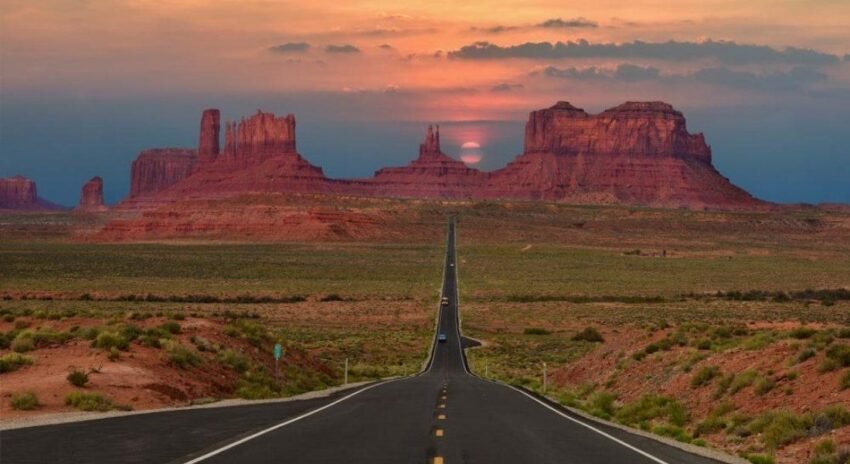
America’s most rewarding road trips offer more than scenery—they provide cultural insight, outdoor access, regional cuisine, and historical depth. From California’s Pacific coastline to the desert canyons of Arizona and Utah, strategic planning transforms a scenic drive into a meaningful journey. Here’s how to design U.S. road trips that balance landscapes with substance, comfort, and real-world practicality.
Why Road Trips Remain One of America’s Most Meaningful Ways to Travel
Road travel occupies a unique place in American culture. According to the U.S. Travel Association, domestic leisure travel consistently accounts for the majority of U.S. tourism activity, with road trips forming a significant share. The appeal is straightforward: flexibility, accessibility, and the ability to experience geographic and cultural transitions gradually rather than abruptly.
But experienced travelers know that the most satisfying road trips aren’t just about scenic overlooks. They integrate local history, regional food traditions, outdoor recreation, and thoughtful pacing. The goal isn’t simply to “cover miles”—it’s to connect with place.
Below are several U.S. routes that deliver more than postcard views—and guidance on how to approach them strategically.
Pacific Coast Highway: Where Ocean Scenery Meets Cultural Depth
Few drives are as iconic as California’s Pacific Coast Highway, particularly the stretch between Monterey and Santa Barbara. Cliffs plunge into the Pacific, fog rolls across redwoods, and coastal towns offer culinary and artistic richness.
But the real value of this drive lies in layering experiences:
- Marine conservation exhibits at Monterey Bay Aquarium
- Historic architecture in San Luis Obispo
- Central Coast wine country tastings
- Coastal hiking in Big Sur
Practical insight: Landslides and construction closures are common. Always check the California Department of Transportation before departure. Spring and early fall offer clearer skies and lighter traffic than midsummer.
Blue Ridge Parkway: Scenic Driving with Appalachian Heritage
Running 469 miles through Virginia and North Carolina, the Blue Ridge Parkway blends mountain views with cultural preservation.
Beyond overlooks, travelers can explore:
- Bluegrass music traditions
- Historic cabins and craft centers
- Access points into Great Smoky Mountains National Park
- Farm-to-table Appalachian cuisine
Unlike interstate highways, the Parkway enforces slower speed limits, encouraging intentional travel.
When to go: October brings peak foliage but also heavy traffic. Late May and early June balance blooming rhododendrons with manageable visitor numbers.
Going-to-the-Sun Road: Engineering and Wilderness in Balance
Inside Glacier National Park, Going-to-the-Sun Road climbs alpine terrain with sweeping mountain views.
Yet the drive is equally about:
- Learning about Indigenous Blackfeet heritage
- Understanding alpine ecosystem fragility
- Accessing trailheads like Logan Pass
- Observing wildlife migration patterns
The National Park Service manages timed-entry reservations during peak months, so advance planning is critical.
Expert tip: Arrive before 7 a.m. during summer to avoid congestion and increase wildlife sighting opportunities.
Route 12 Through Utah: Canyon Country Immersion
Utah State Route 12 connects Bryce Canyon National Park and Capitol Reef National Park, traversing red rock canyons and high desert plateaus.
Unlike more commercialized routes, this drive offers:
- Geological education at scenic pullouts
- Access to slot canyons
- Dark-sky stargazing zones
- Small-town stops like Escalante
Summer heat can exceed 100°F. Spring and fall provide safer hiking conditions.
The Overseas Highway: Engineering Across the Sea
Stretching from Miami to Key West, the Overseas Highway crosses 42 bridges over turquoise water.
Beyond the striking visuals, travelers gain:
- Insight into hurricane-resilient infrastructure
- Access to coral reef ecosystems
- Maritime history museums
- Fresh-catch seafood traditions
Hurricane season (June–November) requires weather awareness, but shoulder months like April and November often offer favorable conditions.
Columbia River Highway: Nature and Design in Harmony
Oregon’s Historic Columbia River Highway combines waterfalls, basalt cliffs, and early 20th-century engineering.
Highlights include:
- Multnomah Falls
- Interpretive exhibits about river commerce
- Hiking trails linking scenic viewpoints
Weekdays reduce parking challenges, particularly in peak summer.
How to Plan a Scenic Road Trip That Delivers More
Experienced road-trippers follow several key principles:
1. Build Around Experiences, Not Just Routes
Choose anchor experiences—like a ranger-led hike or regional food tour—then structure driving days around them.
2. Limit Daily Driving Time
Four to five hours per day allows time for spontaneous stops.
3. Research Regional Context
Understanding Indigenous history, geological formation, or economic background deepens appreciation.
4. Book Lodging Strategically
National park-adjacent lodging fills months ahead. Consider gateway towns 30–45 minutes away for availability and savings.
5. Prepare for Connectivity Gaps
Download offline maps in remote areas like Utah canyon country or Montana alpine regions.
What Americans Are Asking About Scenic Road Trips
Common online search queries include:
- What is the most scenic road trip in the U.S.?
- When is the best time to drive the Pacific Coast Highway?
- How many days do you need for the Blue Ridge Parkway?
- Are U.S. road trips expensive?
- What should I pack for a multi-state drive?
- Is it better to rent a car or drive your own?
- How do I avoid crowds at national parks?
The answers depend on pacing, season, and preparation.
Budget Considerations for 2026 Road Travel
According to AAA, average gas prices fluctuate regionally, making fuel budgeting important. Additionally:
- National park entry fees typically range from $20–$35 per vehicle.
- Lodging in peak season near parks can exceed $250 per night.
- Dining in rural regions often costs less than urban destinations.
An annual America the Beautiful pass may provide savings if visiting multiple federal lands.
Frequently Asked Questions
1. What is the best time of year for U.S. road trips?
Spring and fall often offer moderate weather and lighter crowds.
2. How many miles per day is reasonable?
Most travelers find 200–300 miles comfortable.
3. Are national parks crowded year-round?
Peak summer sees the highest visitation; shoulder seasons are calmer.
4. Should I rent an SUV?
It depends on terrain. For mountainous or desert routes, higher clearance may help.
5. How do I save on lodging?
Book early, consider weekdays, and explore nearby towns.
6. Are scenic highways safe?
Yes, but many include steep grades and curves—drive cautiously.
7. Is travel insurance necessary for road trips?
Not always, though rental car coverage should be reviewed.
8. How do I prepare for remote stretches?
Carry water, snacks, and emergency supplies.
9. Can these trips be done with children?
Yes, with flexible pacing and planned activity stops.
Beyond the Windshield: Turning Drives Into Journeys
The difference between a scenic drive and a meaningful road trip lies in intention. When you integrate local history, natural education, regional food, and thoughtful pacing, the miles become more than transitions—they become context.
Road trips across the United States remain one of the most accessible ways to understand geographic diversity. From coastal cliffs to canyon plateaus, each landscape tells a story—if you slow down long enough to listen.
Mapping Your Own Meaningful Miles
Scenic routes offer structure, but substance comes from curiosity. Plan deliberately, travel responsibly, and allow space for unexpected discoveries. The most rewarding road trips are rarely rushed—they’re layered.
Key Planning Reminders Before You Start the Engine
- Choose shoulder seasons when possible
- Keep daily mileage manageable
- Reserve lodging early in park regions
- Download offline maps
- Budget for park entry fees
- Build flexibility into your schedule
- Respect environmental regulations
- Engage with local communities
- Monitor weather conditions
- Focus on depth over distance