
Summary
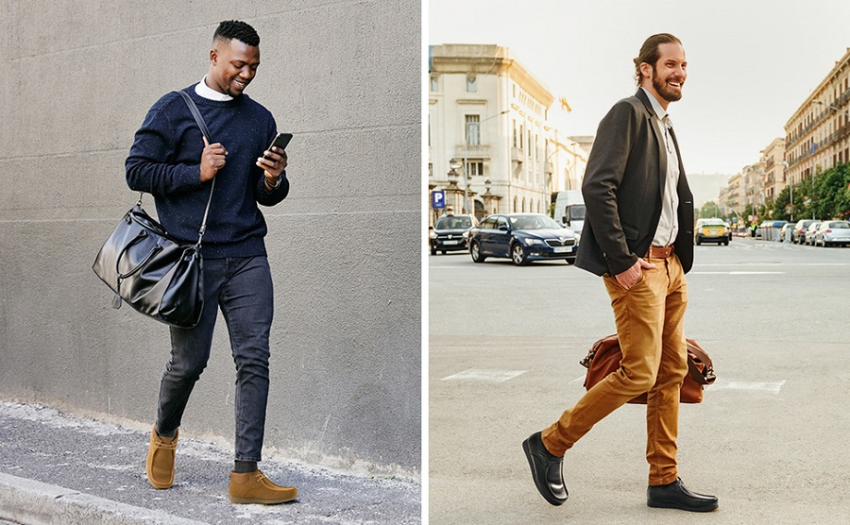
Everyday dressing has shifted from purely casual to quietly intentional. Comfort still matters—but so do fit, versatility, and context. This guide explains how Americans are redefining daily style, why basics matter more than trends, and how to build practical, modern outfits that work across work, weekends, and real life.
For decades, American casualwear followed a simple formula: comfort first, formality optional. Sweatshirts replaced blazers, sneakers entered offices, and “athleisure” became a default. But today, everyday dressing is undergoing a recalibration. People aren’t abandoning comfort—they’re refining it.
The modern wardrobe favors intention over excess. It’s not about dressing up for its own sake or chasing trends, but about choosing clothes that look appropriate, feel good, and hold up in real life. Whether someone works from home, commutes a few days a week, or balances school runs with meetings, clothing now needs to adapt—without looking careless.
This shift toward considered dressing reflects broader cultural changes: flexible workplaces, sustainability concerns, and a renewed interest in personal presentation. According to a 2024 McKinsey apparel report, consumers increasingly prioritize “quality, longevity, and versatility” over seasonal trends. In practice, that means fewer impulse purchases and more thoughtful outfit planning.
What follows is a practical, experience-driven guide to navigating the new rules of everyday dressing in the U.S.—and applying them in ways that make sense for real people, real schedules, and real bodies.
Why “Casual” No Longer Means Careless
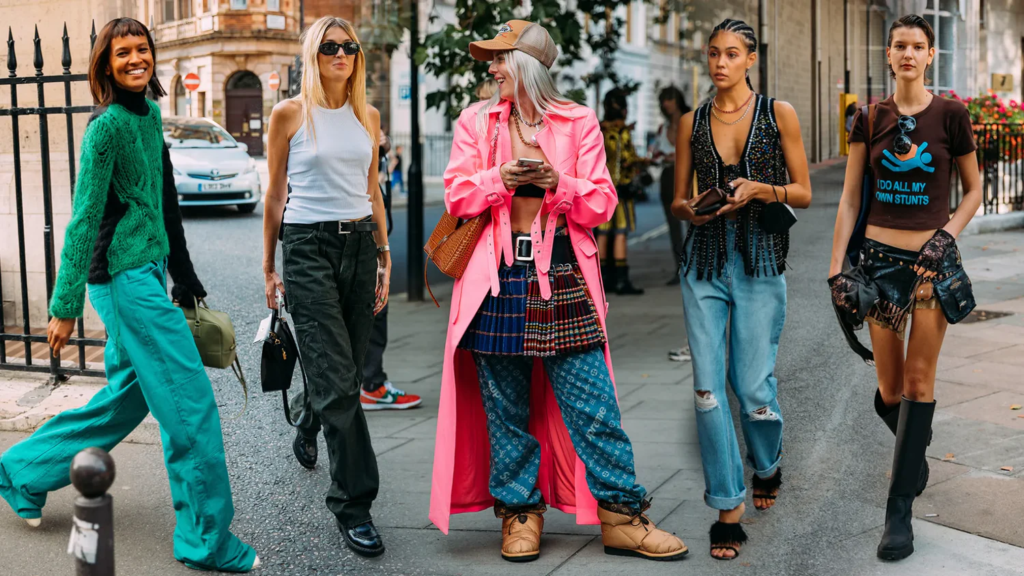
Casualwear used to signal freedom from rules. Today, it’s governed by different ones.
As offices adopted business-casual and hybrid schedules, the line between “work clothes” and “off-duty clothes” blurred. A hoodie might be acceptable, but not just any hoodie. Fit, fabric, and condition matter more than ever.
Consider two similar outfits: joggers and a sweatshirt. One looks intentional—clean lines, neutral colors, structured fabric. The other looks like sleepwear. The difference isn’t formality; it’s design and care.
Americans are responding by upgrading basics rather than abandoning them. Elevated knits, tailored denim, polished sneakers, and refined outerwear now anchor daily outfits. The goal isn’t to impress—it’s to look put-together without trying too hard.
The Rise of the “Third Outfit”
One of the most useful ways to understand modern dressing is the idea of the “third outfit.”
Traditionally, people had two modes:
- Workwear
- Weekend or at-home clothes
Now there’s a third category: clothes that move easily between roles.
This includes outfits suitable for:
- Video calls and errands
- School drop-offs and casual meetings
- Travel days and informal dinners
Think dark straight-leg jeans, a soft blazer, a clean T-shirt, and leather sneakers. None of these pieces are formal on their own—but together, they communicate intention.
The popularity of this approach explains why brands focused on “everyday refinement” have grown faster than trend-driven labels. People want fewer clothes that do more.

Fit Has Replaced Trend as the Style Priority
One of the biggest shifts in everyday dressing is the renewed focus on fit.
Oversized silhouettes had their moment, but many Americans are now discovering that proper fit—not tightness—is what elevates an outfit. A $30 shirt that fits well often looks better than a $200 one that doesn’t.
Key fit principles that matter most in daily wear:
- Shoulders align cleanly without pulling
- Sleeves and hems hit intentional lengths
- Pants skim the body without clinging
Tailoring isn’t about luxury; it’s about function. Simple alterations—hemming pants, tapering sleeves—can dramatically improve how casual clothes look and feel.
According to the American Apparel & Footwear Association, consumers who invest in fit-adjusted garments report higher wear frequency and longer product lifespan. In everyday terms, good fit saves money over time.
Fabric Choices Are Doing More Work Than Ever
Modern casual dressing relies heavily on fabric performance.
With people moving throughout the day—indoors, outdoors, commuting, traveling—clothing needs to breathe, stretch, and recover. That’s why fabric blends have become more common.
Popular everyday materials now include:
- Cotton-modal blends for softness
- Merino wool for temperature regulation
- Stretch denim with shape retention
- Technical synthetics that resist wrinkles
Fabric quality often matters more than brand name. A plain T-shirt made from long-staple cotton will hold its shape longer and look sharper after repeated washes than a cheaper alternative.
This focus on material also ties into sustainability. Durable fabrics reduce replacement cycles, aligning with growing consumer awareness around waste and overconsumption.
Shoes Set the Tone of the Entire Outfit
If there’s one item that defines modern everyday style, it’s footwear.
Shoes now signal how intentional an outfit is. Athletic sneakers still have a place—but clean, minimal designs dominate daily wear. Running shoes at the gym; streamlined sneakers everywhere else.
In practical terms:
- White or neutral leather sneakers work across settings
- Loafers and slip-ons elevate casual outfits instantly
- Boots offer structure in colder months
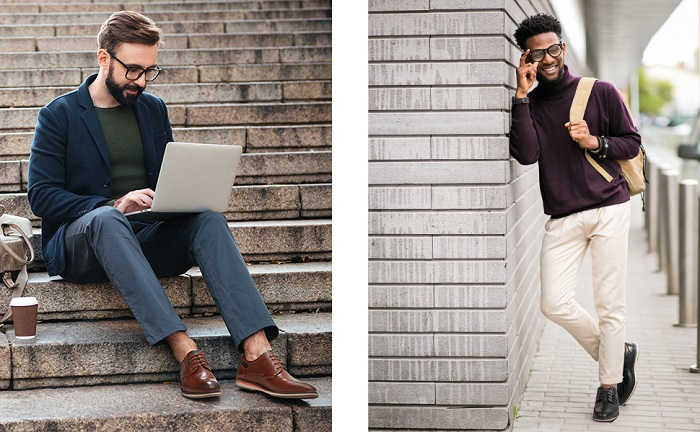
A common mistake is pairing polished clothing with worn-out shoes. Americans upgrading their wardrobes often see the biggest improvement simply by rotating in better footwear.
Footwear brands report that consumers increasingly choose versatile styles over activity-specific designs—a clear sign that everyday dressing now demands flexibility.
Color Palettes Are Getting Quieter—and Smarter
Bold patterns and loud colors haven’t disappeared, but they’ve become secondary.
Most everyday wardrobes now revolve around controlled color palettes: navy, gray, olive, beige, black, and white. These tones mix easily and reduce decision fatigue.
This doesn’t mean dressing bland. Texture, layering, and subtle contrast do the heavy lifting. A charcoal sweater over a white tee, paired with dark denim, looks intentional without being flashy.
Many Americans adopt a “base palette” for daily wear, adding seasonal color through accessories or outer layers. This approach simplifies mornings and increases outfit repeatability—an underrated advantage.
Dressing Well Without Overbuying
One of the most important new rules is restraint.
Everyday dressing isn’t about owning more—it’s about owning better. Capsule-style wardrobes, once niche, are now mainstream among professionals and families alike.
A practical everyday wardrobe often includes:
- 2–3 pairs of well-fitting pants
- 4–6 versatile tops
- 2 layering pieces (jacket, sweater, blazer)
- 2 pairs of everyday shoes
This structure allows dozens of outfit combinations without excess. It also aligns with data from ThredUp’s 2024 resale report, which shows growing interest in resale and long-term wear value.
Intentional wardrobes reduce clutter, save money, and make daily dressing easier—not harder.
How Everyday Dressing Differs by Region and Lifestyle
American style isn’t monolithic. Climate, culture, and occupation still shape daily clothing choices.
In coastal cities, lightweight layers and relaxed tailoring dominate. In the Midwest and South, durability and comfort play larger roles. Remote workers prioritize camera-ready tops, while service professionals need movement-friendly outfits.
The unifying factor is adaptability. The best everyday clothes work across environments without looking out of place. That’s the essence of considered dressing—being prepared without being overdressed.
Frequently Asked Questions About Everyday Dressing
1. What does “considered dressing” actually mean?
It means choosing clothes intentionally, with attention to fit, quality, and context—rather than defaulting to whatever is easiest.
2. Can everyday outfits still be comfortable?
Yes. Modern fabrics and better design allow comfort and polish to coexist.
3. Do I need to dress up more for work now?
Not necessarily. The expectation is neatness and appropriateness, not formality.
4. How many outfits should an everyday wardrobe support?
Ideally, enough combinations to get through two weeks without repetition stress.
5. Are jeans still acceptable for everyday wear?
Absolutely—especially darker, well-fitted styles without heavy distressing.
6. Is athleisure still appropriate outside the gym?
Selective pieces, yes. Full athletic outfits, less so.
7. What’s the easiest way to look more put-together?
Upgrade fit and shoes first. Those changes have the biggest visual impact.
8. How often should basics be replaced?
When they lose shape, color, or structure—usually after heavy rotation.
9. Does age affect everyday dressing rules?
The principles stay the same; proportions and preferences may shift.
Dressing With Intention in a Low-Pressure World
Everyday dressing today isn’t about impressing strangers or conforming to rigid standards. It’s about self-respect, practicality, and confidence. When clothes fit well, function properly, and align with daily life, they stop being a source of stress and start supporting how people move through the world.
Considered dressing isn’t louder—it’s quieter. And that’s exactly why it works.
What to Remember as You Refine Your Daily Style
- Comfort and intention are no longer opposites
- Fit matters more than trend cycles
- Versatility reduces wardrobe fatigue
- Quality basics outperform impulse buys
- Everyday dressing should adapt to real life