
Summary
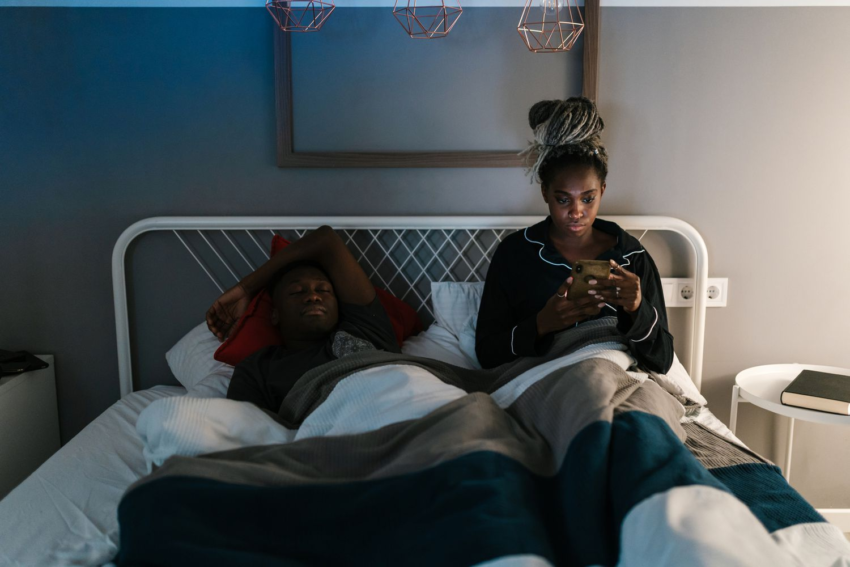
Using smartphones, tablets, or watching TV in bed is one of the most common bedtime mistakes in America. Research shows that nearly 68% of Americans use screens before sleep, disrupting melatonin production, circadian rhythm balance, and deep restorative rest. Doctors consistently warn that this habit increases insomnia risk, anxiety, and metabolic problems—yet it remains widespread and underestimated.
It starts innocently.
You brush your teeth. You change into pajamas. You get into bed. Then you pick up your phone “for just five minutes.”
An hour later, you’re still scrolling.
You tell yourself it helps you relax. It helps you unwind. It helps you “shut off your brain.”
But according to sleep specialists and data cited by the Sleep Foundation and the American Academy of Sleep Medicine, nearly 68% of Americans regularly use electronic devices in bed — and doctors agree this habit is sabotaging sleep quality nationwide.
So what’s the bedtime mistake that physicians consistently warn against?
Using screens in bed before sleep.
This includes:
- Scrolling social media
- Watching Netflix in bed
- Checking email
- Playing games on your phone
- Reading news articles
- Watching YouTube videos
It feels harmless. It feels modern. It feels normal.
But biologically, it’s one of the worst things you can do before sleep.
Let’s break down exactly why.
Why Doctors Strongly Advise Against Screens Before Bed
Doctors aren’t anti-technology. They’re anti-sleep disruption.
When patients complain about insomnia, fatigue, brain fog, or nighttime anxiety, one of the first questions sleep specialists ask is:
“Are you using screens in bed?”
Here’s why that question matters.
1. Blue Light Suppresses Melatonin Production
Your brain operates on a circadian rhythm — a 24-hour internal clock that regulates sleep and wake cycles.
When it gets dark, your brain produces melatonin, the hormone that signals your body it’s time to sleep.
Screens emit blue light, which mimics daylight.
Even low-brightness exposure can:
- Delay melatonin release
- Reduce total melatonin production
- Shift your sleep cycle later
- Make it harder to fall asleep
Research shows that just two hours of evening screen exposure can significantly suppress melatonin levels.
Real-life example:
Jessica, 34, thought she had “random insomnia.” She would lie awake for 45 minutes most nights. After removing her phone from the bedroom and switching to reading paper books, she began falling asleep within 10–15 minutes in less than a week.
Nothing else changed.
2. Your Brain Associates the Bed With Alertness
Your brain thrives on associations.
If you consistently:
- Work in bed
- Watch TV in bed
- Scroll social media in bed
- Argue in texts in bed
Your brain begins to associate the bed with stimulation, not sleep.
Sleep specialists call this conditioned arousal.
Over time, your brain becomes wired when you lie down.
That’s why one of the first behavioral treatments for insomnia (CBT-I) involves:
- Removing screens from the bedroom
- Using the bed only for sleep and intimacy
- Getting out of bed if you can’t fall asleep
Your environment trains your nervous system.
3. Dopamine and Endless Scroll Addiction
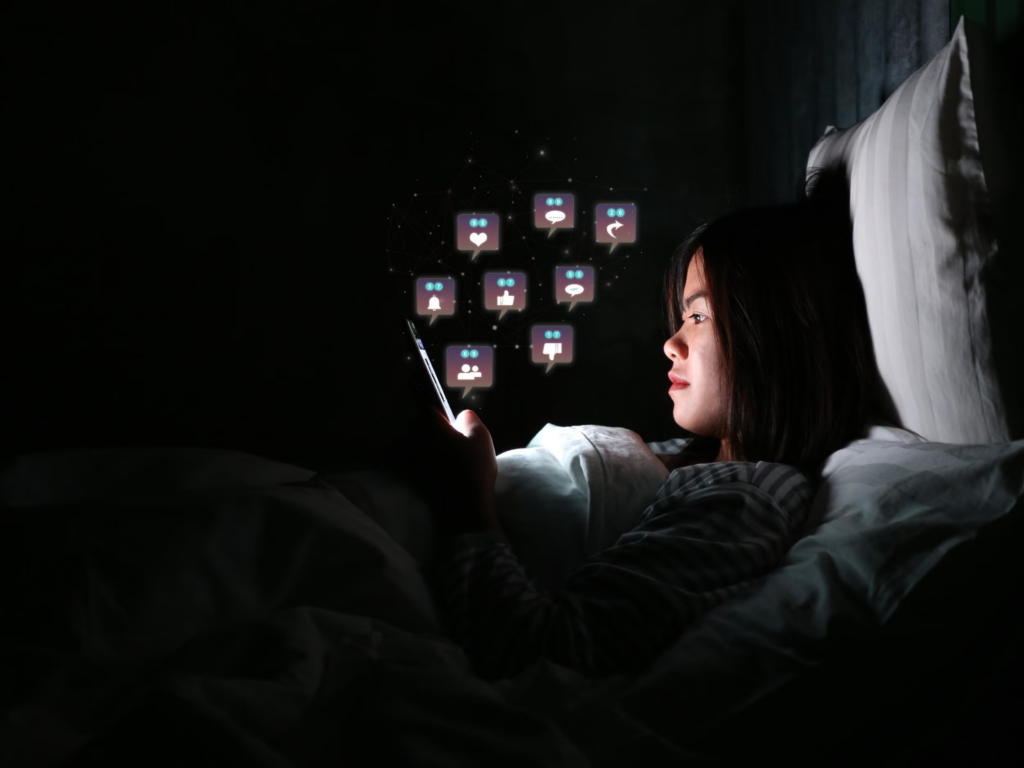
Social media and streaming platforms are designed for engagement.
Every:
- Notification
- Like
- New video
- Headline
Triggers a small dopamine spike.
Dopamine is not a relaxation chemical. It’s a motivation and reward neurotransmitter.
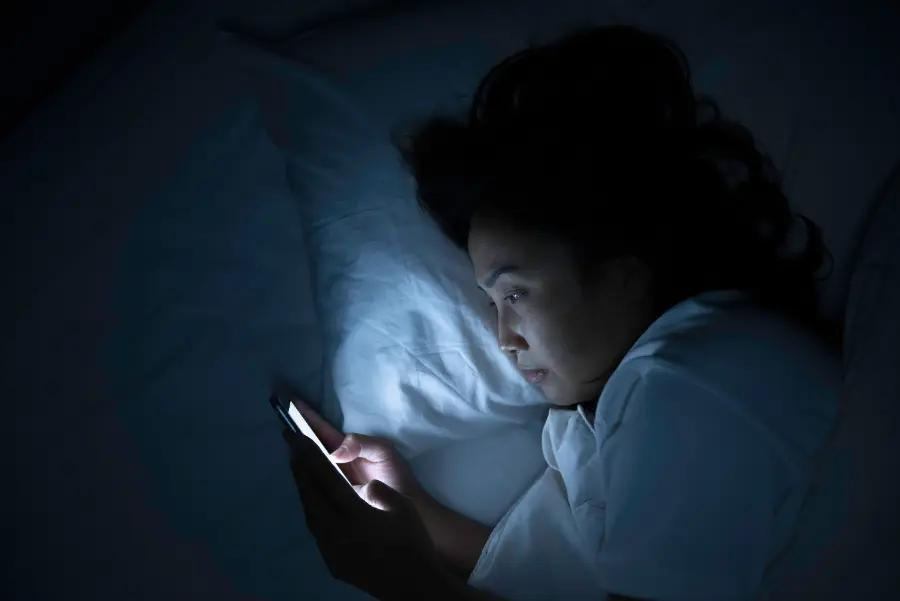
So when you scroll before bed, your brain doesn’t wind down.
It ramps up.
That “one more video” feeling is your reward system activating — not your relaxation system.
What Actually Happens to Your Body When You Scroll Before Sleep?
Let’s translate the science into everyday effects.
Short-Term Effects:
- Takes longer to fall asleep
- Lighter sleep cycles
- More nighttime awakenings
- Morning grogginess
- Increased reliance on caffeine
Long-Term Effects:
- Chronic sleep deprivation
- Increased anxiety symptoms
- Elevated cortisol (stress hormone)
- Increased appetite and weight gain
- Higher risk of metabolic dysfunction
The Centers for Disease Control and Prevention (CDC) links insufficient sleep to increased risk of:
- Heart disease
- Type 2 diabetes
- Depression
- Obesity
Sleep is not optional recovery. It is a biological necessity.
Why Do 68% of Americans Still Use Screens in Bed?
If the consequences are so clear, why is this habit so common?
Because it feels helpful.
Here’s what most people say:
“It helps me relax.”
Distraction feels like relaxation — but they’re not the same.
True relaxation lowers heart rate and nervous system activity. Scrolling stimulates it.
“I need to check work messages.”
Remote work blurred boundaries. Many people bring work stress into the bedroom.
“I can’t fall asleep without it.”
That’s conditioning, not necessity.
“It’s the only time I have to myself.”
For many parents and professionals, nighttime feels like personal time — so they guard it fiercely.
The habit is emotional as much as biological.
How Screen Use Affects Different Age Groups
Adults (25–55)
- Increased insomnia rates
- Burnout
- Reduced productivity
- Mood instability
Many adults don’t realize that their bedtime scrolling contributes to daytime fatigue and irritability.
Teens and Young Adults
The American Academy of Pediatrics warns that nighttime device use is linked to:
- Depression
- Anxiety
- Academic struggles
- Reduced sleep duration
Developing brains are especially sensitive to light and dopamine stimulation.
Older Adults
Sleep becomes lighter with age.
Adding screen exposure can:
- Increase nighttime awakenings
- Raise fall risk
- Worsen cognitive function
Is Watching TV in Bed Just as Harmful?
Yes — especially if:
- You binge-watch
- You fall asleep with it on
- The content is intense or emotional
TV light exposure combined with emotional stimulation disrupts REM sleep quality.
Even “background TV” interferes with deep restorative sleep cycles.
What Sleep Doctors Recommend Instead
Sleep specialists consistently advise:
- Stop screen use 60–90 minutes before bed
- Charge devices outside the bedroom
- Use dim, warm lighting at night
- Keep a consistent bedtime
- Reserve the bed only for sleep
Small environmental changes create powerful neurological shifts.
Healthier Bedtime Alternatives (That Actually Work)
Instead of removing the habit, replace it.
Here are practical substitutes people report working well:
1. Physical Books
Paper books do not emit blue light. Fiction works especially well because it engages imagination without triggering stress.
2. Gentle Stretching
Five to ten minutes of slow stretching reduces muscle tension and lowers sympathetic nervous system activity.
3. Audio-Only Content
- Audiobooks
- Calm podcasts
- Guided meditation (audio only)
Place your phone across the room if needed.
4. Journaling
Writing down worries clears mental clutter and reduces racing thoughts.
5. Breathwork
Simple 4-7-8 breathing can calm the nervous system within minutes.
How Long Does It Take to Fix This Habit?
Most people notice:
- 3–7 days to fall asleep faster
- 2–3 weeks for deeper sleep
- 30 days for circadian reset
Consistency is the key factor.
What Happens When You Stop Using Screens in Bed?
People commonly report:
- Falling asleep within 10–20 minutes
- Fewer 3 a.m. awakenings
- Clearer thinking in the morning
- Reduced anxiety
- Improved mood stability
- Less caffeine dependence
It doesn’t feel dramatic at first.
Then it becomes life-changing.
10 Frequently Asked Questions About Bedtime Screen Use
1. Is using your phone before bed really that bad?
Yes. Even short exposure delays melatonin and increases alertness, making sleep onset slower and lighter.
2. How long before bed should I stop using screens?
Ideally 60–90 minutes before sleep.
3. Does night mode or blue light filter solve the problem?
It reduces light intensity but does not eliminate mental stimulation.
4. Can scrolling cause insomnia?
Yes. It contributes to sleep-onset insomnia and conditioned arousal.
5. Why do I feel tired but wired at night?
Screen exposure stimulates dopamine and alertness while your body is physically fatigued.
6. Is reading on a Kindle better than a phone?
Slightly, but paper books remain the best option.
7. Does bedtime screen use increase anxiety?
Yes, especially when consuming stressful news or engaging in social comparison.
8. Can poor sleep from screens lead to weight gain?
Yes. Sleep deprivation disrupts hunger hormones and increases cravings.
9. Are children more sensitive to screen light?
Yes. Developing brains are more vulnerable to light and stimulation effects.
10. What’s the fastest way to break the habit?
Remove your phone from the bedroom entirely.
The Emotional Cost of This Bedtime Mistake
Chronic sleep deprivation doesn’t just affect your body.
It affects your relationships.
You may:
- Snap at loved ones
- Feel impatient with your children
- Lose focus at work
- Feel emotionally overwhelmed
- Depend on caffeine to function
Sleep debt compounds quietly.
One nightly habit can ripple across your entire life.
Clear, Practical Takeaways
If you implement only these steps, you will dramatically improve your sleep:
- Stop screen use 60 minutes before bed
- Keep devices out of the bedroom
- Replace scrolling with reading or journaling
- Keep bedtime consistent
- Protect your sleep like your health depends on it
Because it does.
Final Thoughts
Doctors aren’t exaggerating.
Using screens in bed feels harmless — but it rewires your brain, disrupts hormones, and fragments sleep quality over time.
If nearly 68% of Americans are doing this, and sleep deprivation is widespread, you now understand one of the core reasons.
Better sleep isn’t complicated.
It’s behavioral.
And it starts with what you do in the final hour before bed.
Tonight, try something radical:
Put the phone down.
Your brain will thank you.