
Summary
Celebrities today must influence millions while protecting personal boundaries in a hyper-connected media environment. This article explores how public figures manage privacy, navigate social platforms, work with press teams, and respond to scrutiny—drawing on real-world examples, data, and industry practices to explain how modern fame is carefully structured rather than accidental.
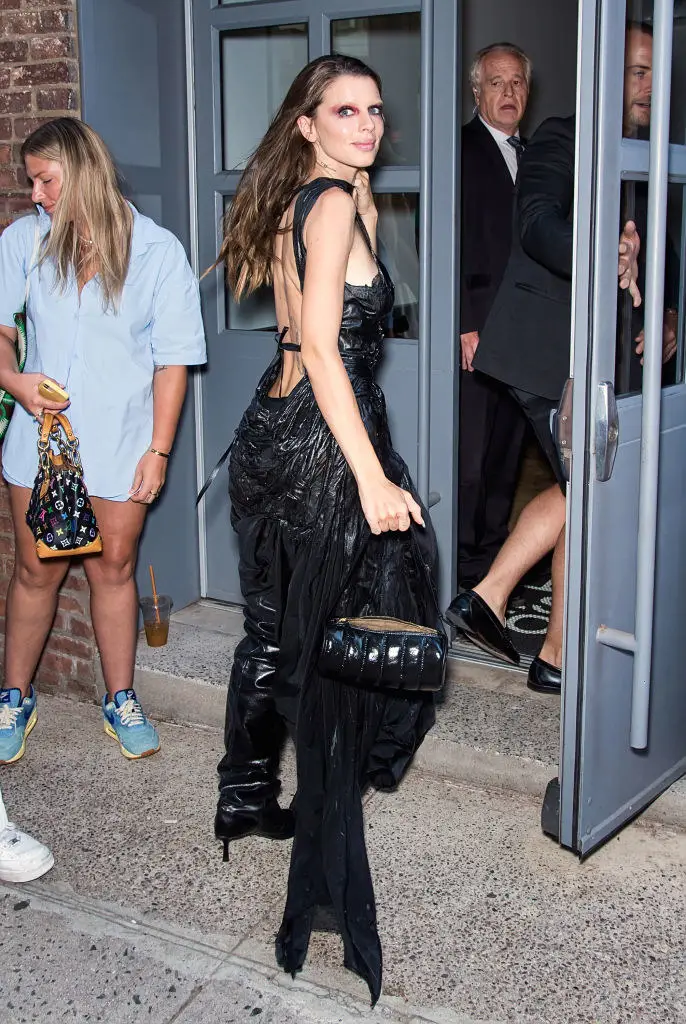
Fame in the United States has always come with attention, but the nature of that attention has changed dramatically. Today’s celebrities operate in a media ecosystem defined by social platforms, 24-hour news cycles, and audiences that expect both access and authenticity. At the same time, privacy has become harder to protect and more valuable than ever.
This tension—between influence and personal boundaries—is not accidental. For most high-profile figures, managing visibility is a strategic, ongoing process shaped by experience, legal guidance, public relations expertise, and evolving cultural norms. Understanding how celebrities strike this balance offers insight not only into modern fame, but into how influence works in an attention-driven economy.
Why Privacy Has Become a Strategic Asset
In earlier eras, celebrities relied heavily on studios, record labels, or networks to control public exposure. Today, many public figures communicate directly with audiences, which increases both reach and risk. According to Pew Research Center, more than 70% of Americans get at least some of their news from social media, blurring the line between personal updates and public messaging.
Privacy now functions less as secrecy and more as selective disclosure. Celebrities often decide in advance which parts of their lives are public-facing and which are non-negotiable boundaries. This approach allows them to remain relatable without surrendering control.
For example, Taylor Swift has been open about her creative process and career decisions while maintaining strict limits around her private relationships and home life. That distinction has helped her preserve both audience trust and personal safety.
The Role of Influence in Modern Celebrity Culture
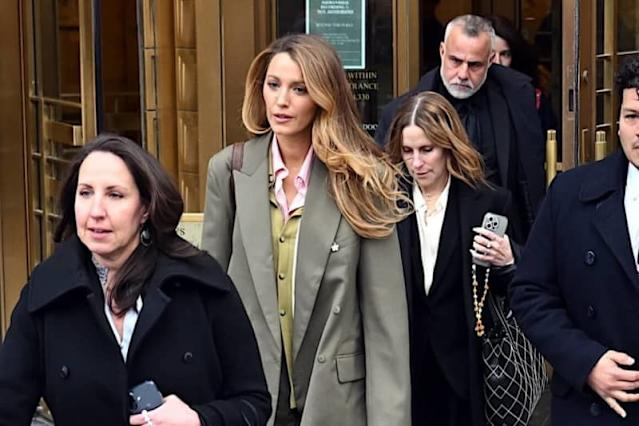
Influence is no longer limited to box office numbers or album sales. Celebrities shape conversations around fashion, politics, mental health, and consumer behavior. A 2023 Nielsen study found that consumers are significantly more likely to trust recommendations from public figures they perceive as authentic rather than overly accessible.
This creates a paradox: influence grows when audiences feel close to a celebrity, but overexposure can dilute credibility or invite backlash. As a result, many celebrities treat influence as something to be managed carefully, not maximized at all costs.
Common strategies include:
- Limiting the frequency of personal posts
- Separating professional and personal social accounts
- Using interviews instead of real-time updates to address sensitive topics
These choices help maintain authority while reducing the risks associated with constant visibility.
How Celebrities Decide What to Share—and What to Withhold
Behind most public-facing decisions is a structured framework rather than instinct alone. Celebrities often work with publicists, legal advisors, and digital strategists to determine what aligns with long-term goals.
Information typically kept private includes:
- Exact home locations and daily routines
- Details involving children or extended family
- Medical information unless directly relevant to advocacy
Meanwhile, selective sharing—such as controlled glimpses into workspaces or philanthropic efforts—can humanize a public figure without compromising safety.
Denzel Washington has spoken openly about his craft and values while largely keeping his family life out of the spotlight, demonstrating how intentional restraint can reinforce respect and longevity.
Social Media: Direct Access, Higher Stakes
Platforms like Instagram, X, and TikTok have fundamentally reshaped celebrity-audience relationships. While they allow stars to bypass traditional media gatekeepers, they also create expectations for immediacy and transparency.
Many celebrities now use social media as a broadcast channel rather than a diary. Posts are often pre-planned, reviewed, and timed to align with broader messaging. This professionalization of “personal” platforms reflects the reality that a single post can influence markets, public opinion, or personal security.
When boundaries are crossed—through invasive comments or misinformation—some celebrities temporarily step back. Jennifer Lawrence has publicly discussed limiting her online presence after experiencing privacy violations, highlighting how disengagement can be a form of self-protection rather than withdrawal.
Managing the Press Without Losing Credibility
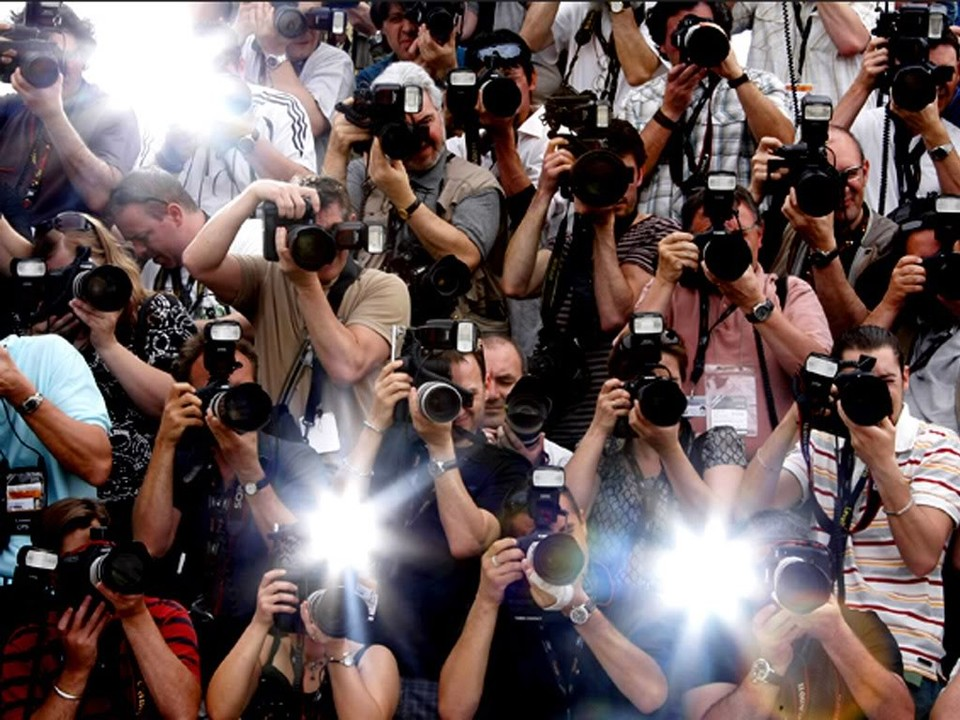
Traditional media still plays a major role in shaping celebrity narratives. Interviews, profiles, and features provide context that social posts cannot. However, celebrities increasingly negotiate terms that protect their privacy.
This can include:
- Setting clear interview topics in advance
- Declining questions about family or relationships
- Choosing long-form outlets that allow nuance
Public figures who consistently enforce these boundaries often experience fewer invasive inquiries over time. Journalists tend to respect clear limits when access is otherwise reliable and professional.
Legal Tools and Security Measures
Beyond communication strategies, celebrities rely on legal protections to maintain privacy. Non-disclosure agreements, anti-paparazzi laws, and property rights enforcement are common tools, particularly in states like California where celebrity privacy has been tested in court.
High-profile individuals also invest in personal security and digital monitoring. These measures are rarely visible to the public but are critical in preventing stalking, doxxing, and unauthorized content distribution.
When Privacy Becomes Part of the Brand
In some cases, limited access enhances a celebrity’s mystique and influence. By saying less, they often command more attention when they do speak.
Beyoncé is frequently cited as an example of controlled visibility. By minimizing unscripted exposure, she ensures that each public appearance or release feels intentional and culturally significant.
This approach demonstrates that privacy and influence are not opposing forces. When managed thoughtfully, they reinforce each other.
What Audiences Can Learn From Celebrity Boundaries
The strategies celebrities use to protect their privacy are increasingly relevant to everyday Americans navigating social media, remote work, and public-facing careers. Selective sharing, intentional silence, and clear boundaries are tools anyone can adapt.
Rather than viewing privacy as withdrawal, celebrities frame it as sustainability—a way to remain present, effective, and credible over time.
Frequently Asked Questions
Why do celebrities value privacy so much today?
Because constant exposure increases security risks, misinformation, and emotional strain in a digital-first media environment.
Do celebrities control their own social media accounts?
Often yes, but many posts are planned or reviewed with professional teams.
Is sharing less actually better for influence?
In many cases, selective visibility increases credibility and audience trust.
How do celebrities protect their families from media attention?
By setting firm boundaries, avoiding public posts involving children, and using legal protections.
Why do some celebrities disappear from social media?
Stepping back can reduce burnout, limit controversy, and restore control over personal narratives.
Do audiences respond positively to privacy boundaries?
Research suggests audiences respect consistency and clarity, even when access is limited.
Are privacy strategies the same across industries?
No. Actors, musicians, and athletes often tailor approaches based on fan expectations and schedules.
Can too much privacy hurt a celebrity’s career?
Only if it creates confusion or disengagement. Intentional communication prevents this.
What role do publicists play in privacy decisions?
They help align personal boundaries with long-term career goals.
A Quiet Equation That Sustains Public Life
Balancing privacy and influence is not about secrecy—it is about intention. Celebrities who endure understand that attention is a resource, not an entitlement. By deciding when to speak, what to share, and where to draw firm lines, they preserve both their humanity and their impact. In an era of constant visibility, restraint has become one of the most powerful tools in public life.
What This Balance Ultimately Shows
- Privacy can strengthen, not weaken, public trust
- Influence grows when communication feels intentional
- Boundaries are essential for long-term relevance
- Less visibility can create more meaning
- Control, not exposure, defines modern celebrity