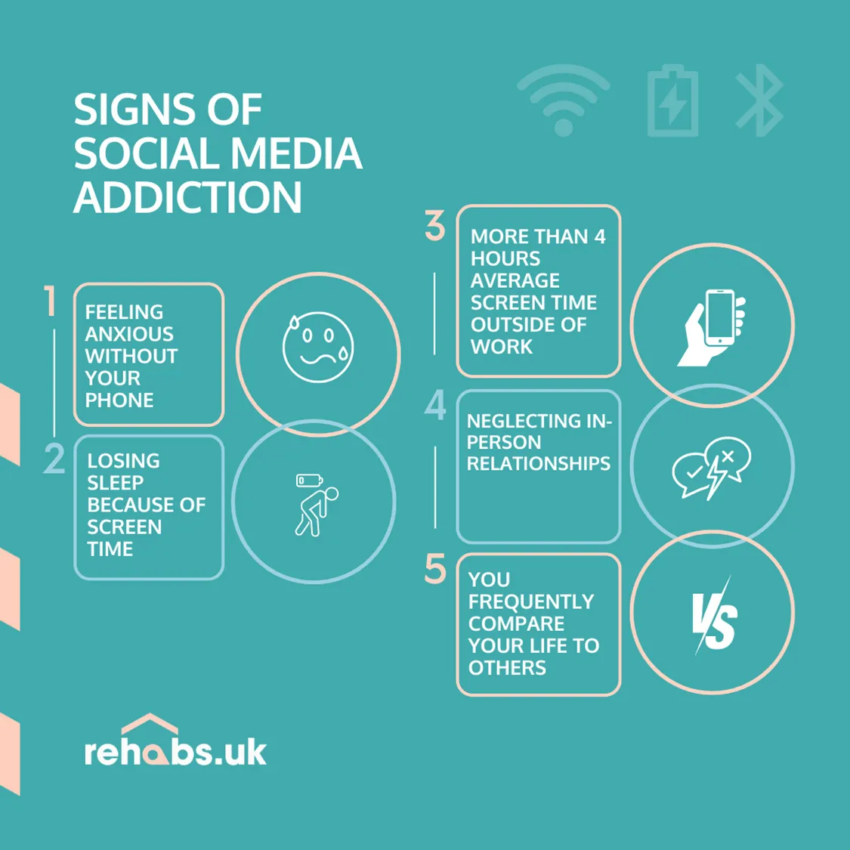
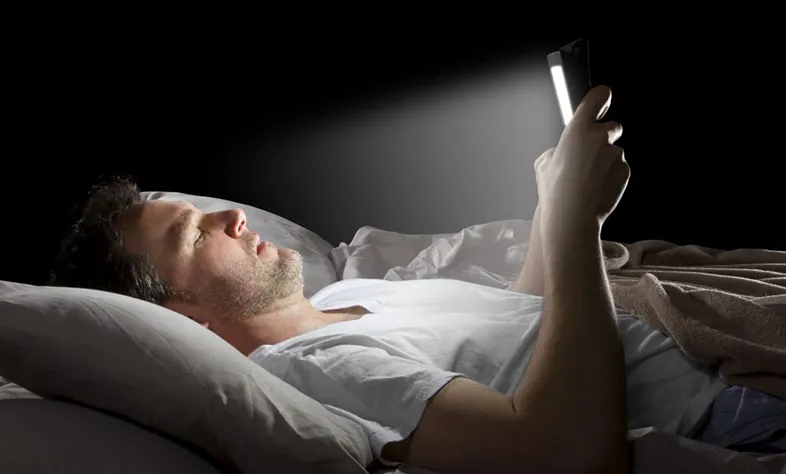
Summary Stopping phone use after 8 P.M. can significantly improve sleep quality, reduce anxiety, enhance relationships, and boost next-day productivity. Research from Harvard Medical School and the National Sleep Foundation shows that evening screen exposure disrupts melatonin and increases mental stimulation. Americans who adopt a digital curfew consistently report calmer nights, clearer mornings, and measurable…
Author: Jhon Macdoy
Minimalism Is Out — This New Lifestyle Trend Is Exploding in 2026
Summary Minimalism is no longer the dominant lifestyle philosophy in America. In 2026, a new movement called Intentional Abundance—also known as curated living—is rapidly gaining momentum. Instead of owning less, people are choosing better: surrounding themselves with meaningful, high-quality possessions that reflect identity, comfort, and emotional well-being. This shift blends sustainability, personalization, and conscious spending…
The 30-Day “Dopamine Reset” Challenge Taking Over TikTok: What It Is, What Works, and What to Expect
The 30-Day “Dopamine Reset” Challenge Taking Over TikTok Quick Summary The 30-day dopamine reset challenge trending on TikTok is a behavioral experiment designed to reduce overstimulation from social media, ultra-processed foods, gaming, and constant digital input. While you cannot literally “reset” dopamine levels, research in neuroscience and behavioral psychology suggests that reducing high-intensity rewards can…
The 7 A.M. Habit Quietly Rewiring America’s Most Successful People
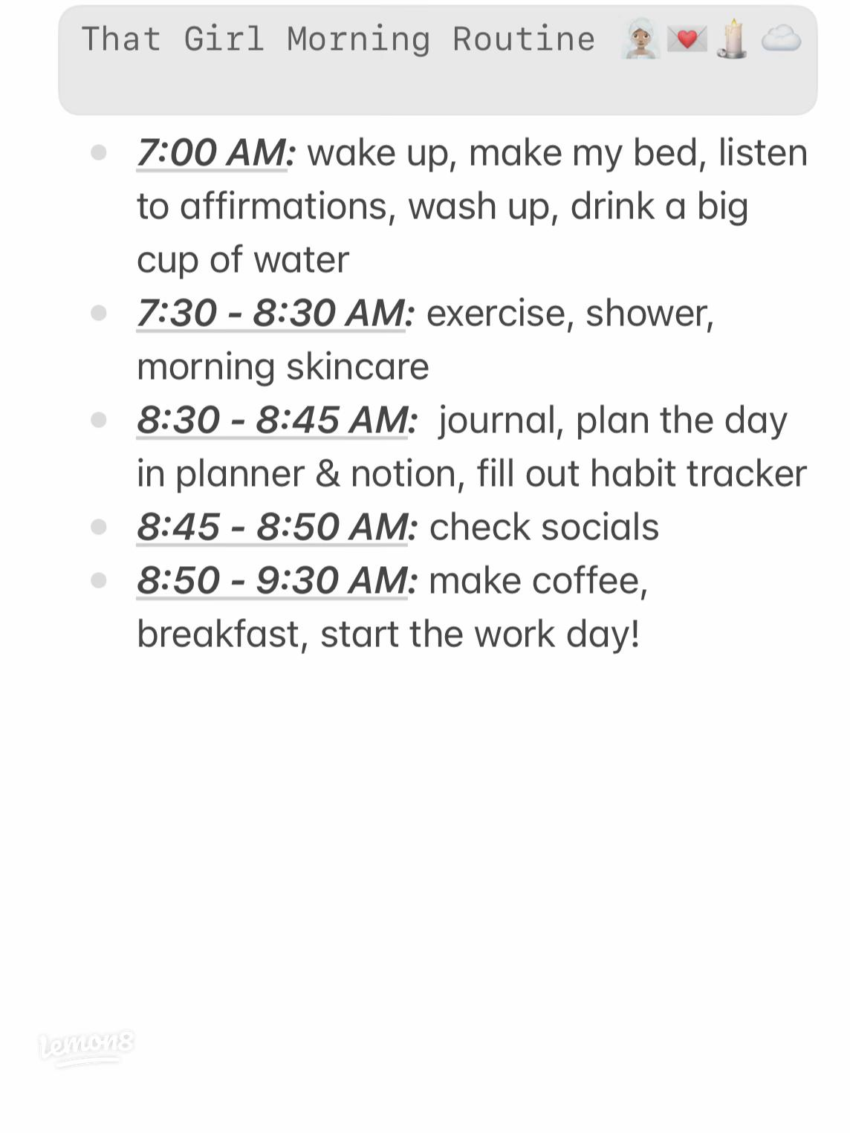
Summary The 7 A.M. habit is not about extreme early rising—it’s about protecting the first focused hour of your day for intentional thinking, energy management, and proactive action. Backed by behavioral science and real-world executive routines, this simple shift reduces stress, increases productivity, and strengthens long-term performance without burnout. In a culture obsessed with 4…
“We Tried the #1 Trending Travel Trend for 2026 — What Happened Next Shocked Us”
In 2026, immersive extended-stay travel—often called Slow Travel 2.0—has become the top trend among U.S. travelers. Instead of racing through cities, Americans are choosing longer stays, neighborhood living, and cultural connection. We tested this approach over six weeks. The result? Lower stress, deeper relationships, surprising cost control, and a completely different definition of what a…